Safe Level Of Chlorine In Drinking Water

You know that faint, almost swimming-pool-like smell you sometimes get from a glass of tap water? That’s chlorine, and it’s actually there to protect you. It’s like a tiny, in...
You know that faint, almost swimming-pool-like smell you sometimes get from a glass of tap water? That’s chlorine, and it’s actually there to protect you. It’s like a tiny, invisible bouncer for your water, kicking out bacteria and viruses before they reach your lips. But just like that friendly bouncer, you want enough to keep the peace, but not so much that he starts ruining the party.
We’ve all been there. You fill a glass from the faucet, take a sip, and your nose wrinkles. “Whoa, that’s a lot of pool,” you think. It’s a common moment, and it usually means the chlorine level is on the higher end of the spectrum. But here’s the good news: the safe level of chlorine in drinking water is very well studied and tightly controlled by your local water utility.
What’s the Magic Number?
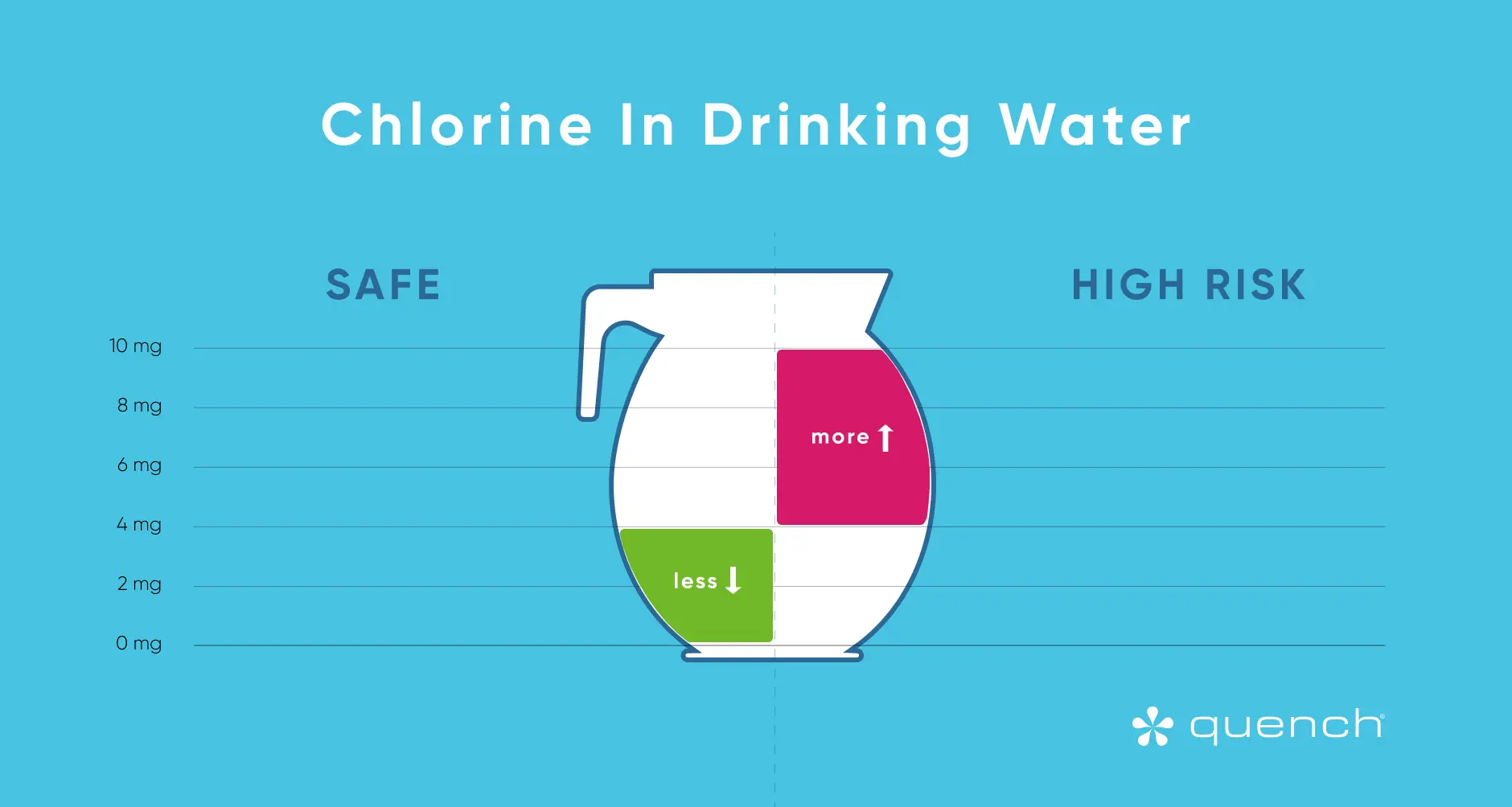
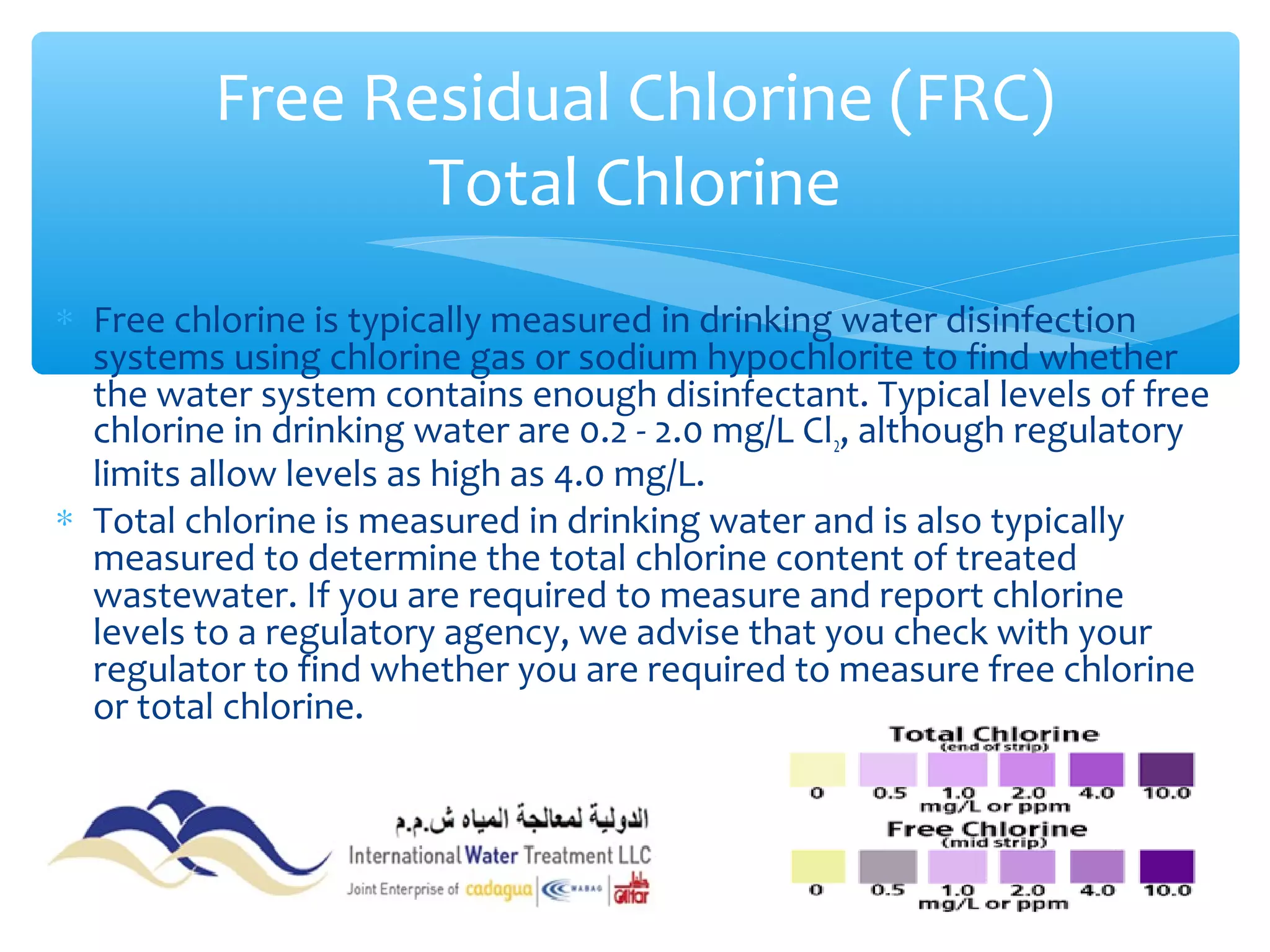
Think of it like baking a cake. A pinch of salt makes it perfect; a whole cup ruins the batch. For chlorine, the “pinch” is typically between 0.5 and 4.0 milligrams per liter (mg/L). The U.S. Environmental Protection Agency (EPA) sets the maximum at 4.0 mg/L. Most of the time, your water will have much less, often closer to 1.0 mg/L.
Must Read
To put that in perspective, imagine a single, tiny grain of sand in a full swimming pool. That’s roughly the concentration we’re talking about. It’s almost nothing, but it’s just enough to zap those pesky germs while you brush your teeth or make your morning coffee. You wouldn’t even notice it in your iced tea.
Why Should You Actually Care?
Look, you’ve got a thousand things to worry about—work, bills, where you left your keys. Do you really need to be a chemist about your tap water? Yes, but in a fun way! Understanding this one thing means you can stop second-guessing your glass of water and trust it again. It’s like knowing your car has airbags—you hope you never need them, but you’re glad they’re there.
Without that little bit of chlorine, your water could harbor things like E. coli or Giardia. Yuck. That’s way scarier than a slight pool smell. So, that chlorine is your quiet, hardworking champion. It’s the reason you can fill a bottle from the tap and feel great about it, instead of worrying about a tummy ache.
What If You’re Sensitive to It?
Some people are like my friend Sarah. She can smell a pinch of cilantro from across the room. If you’re sensitive to chlorine’s taste or smell, don’t panic. You have easy hacks! Just pour a pitcher of water and let it sit in the fridge for an hour. The chlorine will evaporate naturally, like steam rising from a hot cup of tea. You’ll be left with crisp, neutral-tasting water.
 Water Analysis & Test Method | PPT
You can also use a simple carbon filter, like a Brita or a faucet attachment. Those are like friendly little sponges that gently catch the chlorine before it hits your glass. But remember: these filters remove the taste, not the safety. The water was already safe before you filtered it. You’re just polishing the diamond.
The Big, Warm Takeaway
Here’s the best part: you are not stuck with a science experiment. The safe level of chlorine is something your water company checks every single day. It’s a routine, like brushing your own teeth. They measure it, adjust it, and make sure it’s right in that sweet spot. You can usually find your city’s annual water quality report online—often called a Consumer Confidence Report. Take a peek; it’s like a report card for your H2O.
So, the next time you fill a glass, give it a little salute. That faint chlorine whiff is just your water saying, “Hey, I’ve got your back.” It’s a tiny bit of chemistry keeping your family safe, one sip at a time. And honestly, that’s something to raise a glass to.
I once met a guy who refused to drink tap water because he worried about “chemicals.” I asked him, “Do you drink milk?” He said yes. “That’s a chemical, too—mostly water and protein.” He laughed. The truth is, everything is chemicals. Chlorine is just the friendly one that prevents a bad belly. You don’t need to be a scientist; you just need to know it’s working for you, not against you.
Go on, enjoy your water. It’s clean, it’s safe, and the chlorine level is probably just right. Now, go find those keys you misplaced.
