How Long Do You Boil Water To Kill Germs

Let’s be real—there’s something almost primal about watching a pot of water come to a rolling boil. It’s the moment your inner survivalist nods in approval, whispering, “Yep,...
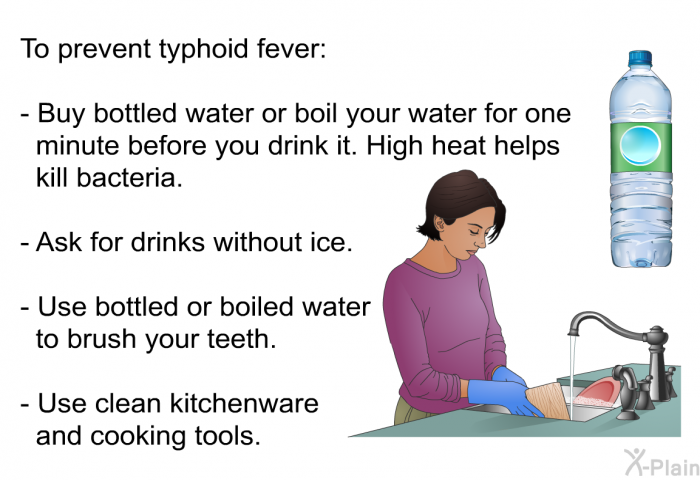
Let’s be real—there’s something almost primal about watching a pot of water come to a rolling boil. It’s the moment your inner survivalist nods in approval, whispering, “Yep, we’re safe.” But in our modern, filtered, fancy-water-bottle world, you might wonder: how long do you actually need to boil water to kill germs? Spoiler alert: it’s way less time than your grandma’s “ten minutes for safety” rule suggests.
The Magic Number: One Minute at a Full Roll
According to the Centers for Disease Control and Prevention (CDC), bringing water to a full rolling boil for just one minute is enough to kill most harmful bacteria, viruses, and protozoa. That’s sixty seconds of vigorous, volcano-like bubbling—no more, no less. At higher altitudes (above 6,500 feet), bump that up to three minutes, because water boils at a lower temperature up there.
Why so short? Because at 212°F (100°C at sea level), the heat essentially nukes the cellular structure of pathogens like E. coli, giardia, and norovirus. It’s not a chemical reaction; it’s a straight-up thermal meltdown. Think of it as a spa day for your water—hot enough to dissolve all the bad vibes.
Must Read
But What About “Rolling” vs. “Simmering”?
Here’s where the nuance comes in. A simmer—those gentle, lazy bubbles—isn’t enough. You need that aggressive, full-bodied boil where the surface looks like a tiny, enthusiastic Jacuzzi. The CDC is specific: a rolling boil ensures the entire volume of water reaches a uniform, lethal temperature. So if you’re camping or just paranoid about your tap, wait for that vigorous dance of bubbles.
Fun fact: the ancient Romans used to boil water for hours because they didn’t know about microbes—they just thought it “purified the humors.” We’ve come a long way from humors, but the principle stands: heat works fast.
Practical Tips for the Real World
Don’t wait for it to cool naturally inside the pot. Boiled water can re-contaminate if exposed to dirty utensils or air. After your minute is up, let it cool in a clean, covered container. Bonus tip: pour it between two clean cups to cool it faster for that post-run hydration.
What about cloudy water? Boiling won’t remove sediment or chemicals—only microbes. If your tap water is murky, filter it through a clean cloth or coffee filter first, then boil. The same goes for water in a survival scenario: clarity first, boil second.
And please, don’t boil your bottled water. Plastic bottles can leach chemicals into the water when heated—and they’re already sterile. Just open the cap and enjoy your overpriced H₂O.
Cultural Detours: Tea, Coffee, and That One Friend Who Overboils
When was the last time you made tea or coffee? If you’re like most of us, you boiled water, poured it over a bag, and called it a day. Good news: your coffee habit already kills germs—assuming your beans are clean. But here’s a twist: Japanese tea ceremonies often use water boiled to around 175°F for green tea, which is well below the boiling point. They rely on the initial boil (done in a separate pot) to sterilize the tools, not the water itself. Cultural nuance: they’re germ-aware, just not germ-obsessed.
 Does Boiling Water Kill All Germs – YVDL
Meanwhile, in parts of Africa and South Asia, boiling water for 10–20 minutes is still common because of community health education from past cholera outbreaks. It’s a habit rooted in practical fear, not science. But with modern understanding, we can trim that time and save energy—plus spare your kettle from mineral buildup.
But Wait—Does Boiling Kill Everything?
Here’s the reality check: boiling is fantastic for viruses, bacteria, and parasites like giardia, but it does not remove chemical contaminants like lead, pesticides, or heavy metals. That’s a filter job. So if you live in an older building with lead pipes, boiling your water before drinking won’t help—it might even concentrate the metals as steam escapes. Always test your source water if you’re concerned about industrial runoff or old plumbing.
Fun fact: the word “sterilize” gets thrown around a lot. Boiling water doesn’t make it sterile in the medical sense (that requires 250°F under pressure), but it does make it safe for drinking. There’s a difference, and it’s a comforting one for everyday life.
The “Ooh, That’s Neat” Factor
Did you know that boiling water for one minute is the same time it takes to soft-boil an egg? Coincidence? Probably—but it’s a fun mental anchor. Next time you’re making eggs, look at the pot and think, “Well, if I swapped the yolk for bacteria, we’d be good.”
Also, microwaving water can kill germs just as effectively, but it’s trickier because microwaves heat unevenly. The CDC still recommends the stovetop or a kettle for consistent results. Plus, you avoid the “exploding hot water” hazard that happens when you superheat a cup in the microwave—yes, it’s a real thing, and it’s terrifying.
A Little Reflection for Your Morning Routine
So here you are, standing at your stove, waiting for bubbles to appear. It’s a small ritual—familiar, reliable, ancient. The truth is, most of us in clean-water cities never need to boil our tap water. But when you’re camping, traveling abroad, or just feeling cautious after a storm warning, that one-minute boil is your quiet superpower.
It takes less than two minutes from flame to safety. That’s less time than scrolling through your Instagram feed, and far more satisfying. You’re not just heating water; you’re continuing a practice that has kept humans alive for millennia—just with fewer humors and better science. So go ahead, let that water roar. Your health, and your inner caveman, will thank you.
