How Do You Measure The Hardness Of Water

Ever notice how your tap water sometimes leaves a weird, white crust on your kettle or makes your soap feel a little slimy instead of sudsy? That, my friend, is the telltale s...
Ever notice how your tap water sometimes leaves a weird, white crust on your kettle or makes your soap feel a little slimy instead of sudsy? That, my friend, is the telltale sign of hard water. But what does that even mean, and how do scientists or your local water company actually measure it? Don’t worry, it’s way cooler than it sounds—think of it as a detective story for your plumbing.
What Is Hard Water, Anyway?
Hard water isn’t about physical toughness, like ice. It’s all about chemistry—specifically, how much calcium and magnesium are dissolved in your water. When rain falls through the air and soaks into the ground, it picks up these minerals from rocks like limestone and chalk. Imagine your water taking a little mineral bath as it travels underground.
So, the more calcium and magnesium hanging out in your water, the “harder” it is. It’s not dangerous to drink—in fact, those minerals are actually good for your bones. But when it comes to your washing machine, your hair, and your pipes, hard water can be a bit of a drama queen.
Must Read
The Old School Trick: The Suds Test
Before fancy gadgets, people had a super simple test. You just shake a bottle filled with water and a drop of soap. If you get a big, fluffy pile of suds, your water is soft. If you get a cloudy mess and almost no bubbles, it’s hard. Why? Because the calcium and magnesium gobble up the soap before it can foam.
It’s like trying to have a bubble party, but the minerals are the grumpy guests who eat all the cake. The more cake (soap) you need to make bubbles, the harder your water is. Not exactly a lab-grade measurement, but it tells you a ton in about thirty seconds.
How Scientists Do It: Grains and Parts Per Million
For a real answer, scientists use a unit called grains per gallon (gpg) or parts per million (ppm). A grain is a tiny weight—like a single grain of sand—and one grain per gallon is about 17.1 ppm. Think of it like this: if your water had one chocolate chip for every million drops of water, that’s one ppm. Hard water usually hits from 3.5 to 10.5 gpg.
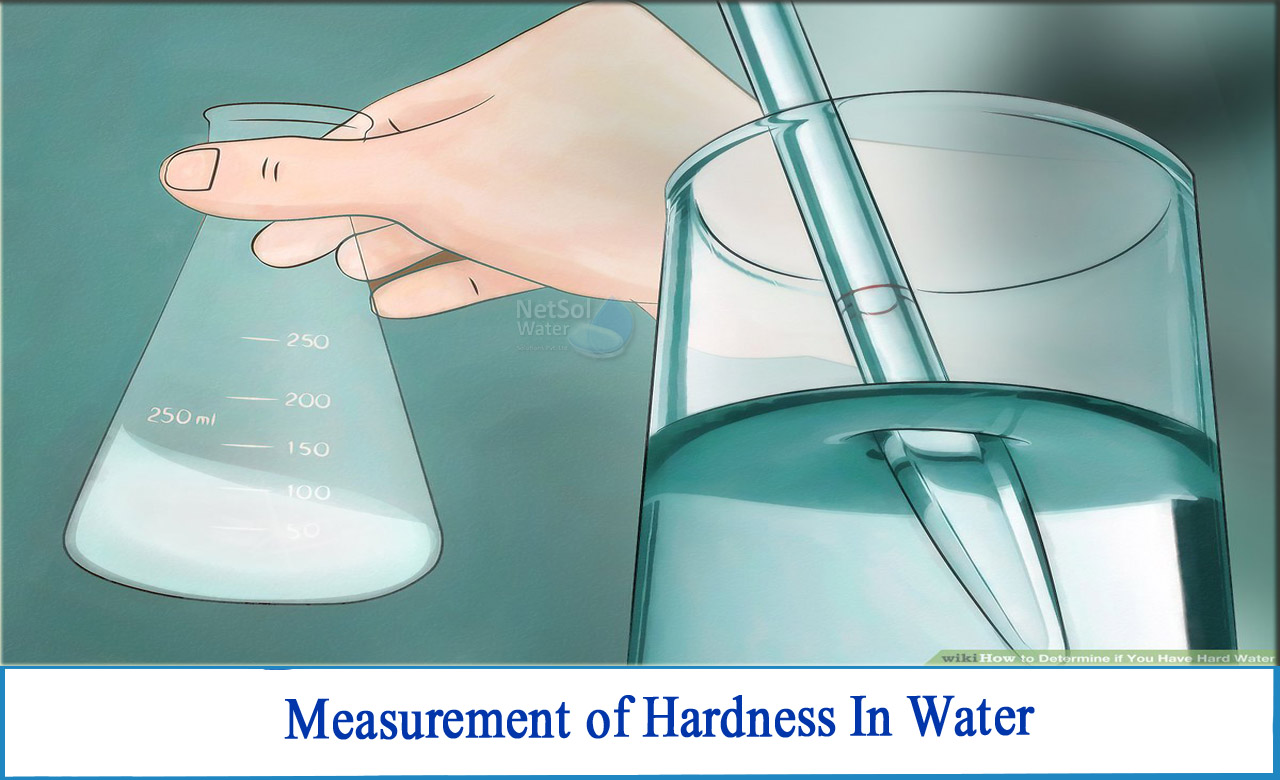
To measure this precisely, they use a method called titration. It sounds fancy, but it’s basically a chemistry dance. You add a special chemical to your water sample, drop by drop, until it changes color—usually from blue to pink or red. The number of drops tells you exactly how many minerals are present. It’s like playing a color-changing game of concentration.
Wait, Soap Again?
Believe it or not, soap is still a key tool in the scientist’s kit. They use a standardized soap solution and measure exactly how much is needed to create a stable lather in a sample of your water. This is called the soap titration method. It’s the same principle as your kitchen test, but with precision tools and a lab coat.
Why use soap? Because it reacts directly with the minerals. The more soap you pour, the more calcium and magnesium it neutralizes. Once the water finally froths up, you know the minerals are “tamed,” and the amount of soap used tells you the hardness. Pretty clever, right?
 Step-by-Step Guide: Measuring the Hardness of Your Water
High-Tech Gadgets: Electronic Sensors
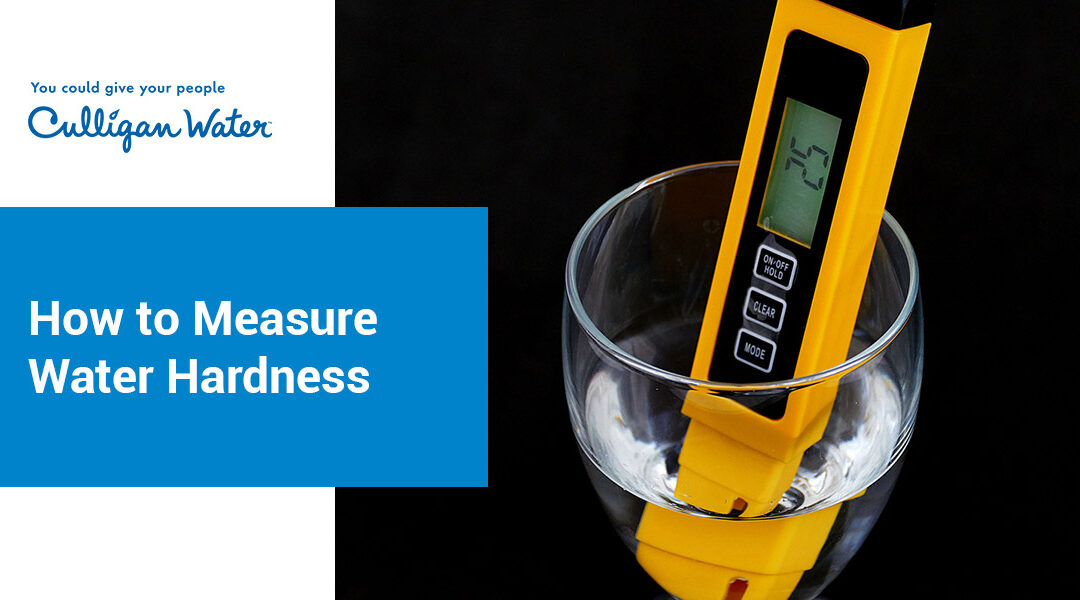
If you want a reading in seconds, you can use an electronic conductivity meter. Hard water has dissolved minerals, which are actually charged particles (ions). These ions make the water conduct electricity better. The meter sends a small current through the water—the higher the current, the harder the water.
It’s like giving your water a tiny electrical handshake. A strong handshake means lots of mineral ions. These meters are super handy for fish tank owners or anyone who wants instant results. No color-changing chemicals, just numbers on a screen.
Why Should You Care?
Knowing your water’s hardness can save you from crusty coffee makers and sad, lifeless hair. It’s also why dishwashers sometimes need special “rinse aid” and why your bathroom tiles get that white, chalky film. It’s not just a nuisance—it can shorten the life of your appliances.
On the flip side, soft water (which might have been treated) can taste a little flat or feel slippery. Some people love hard water for its mineral “zip,” while others can’t stand the soap scum. It’s all about perspective—and measurement.
So, Is Your Water a Friend or a Foe?
Next time you notice a hazy spot on your glass, you’ll know a little mineral mystery is at work. You can try the simple shake test yourself, or you can buy a test kit online for a few bucks. But honestly, just observing how your soap behaves is the most fun way to start.
Hard water isn’t bad or good—it’s just interesting. It’s a reminder that even the water you drink is a complex, lively mixture of hidden stories. And now you know how to crack the code. So go ahead, shake that bottle, and say hello to your water’s secret mineral life!
