Total Dissolved Solids In Drinking Water

Ever taken a sip of water and thought, “Huh, this tastes a little… rocky”? You might be tasting Total Dissolved Solids, or TDS for short. It sounds like a chemistry exam, but...
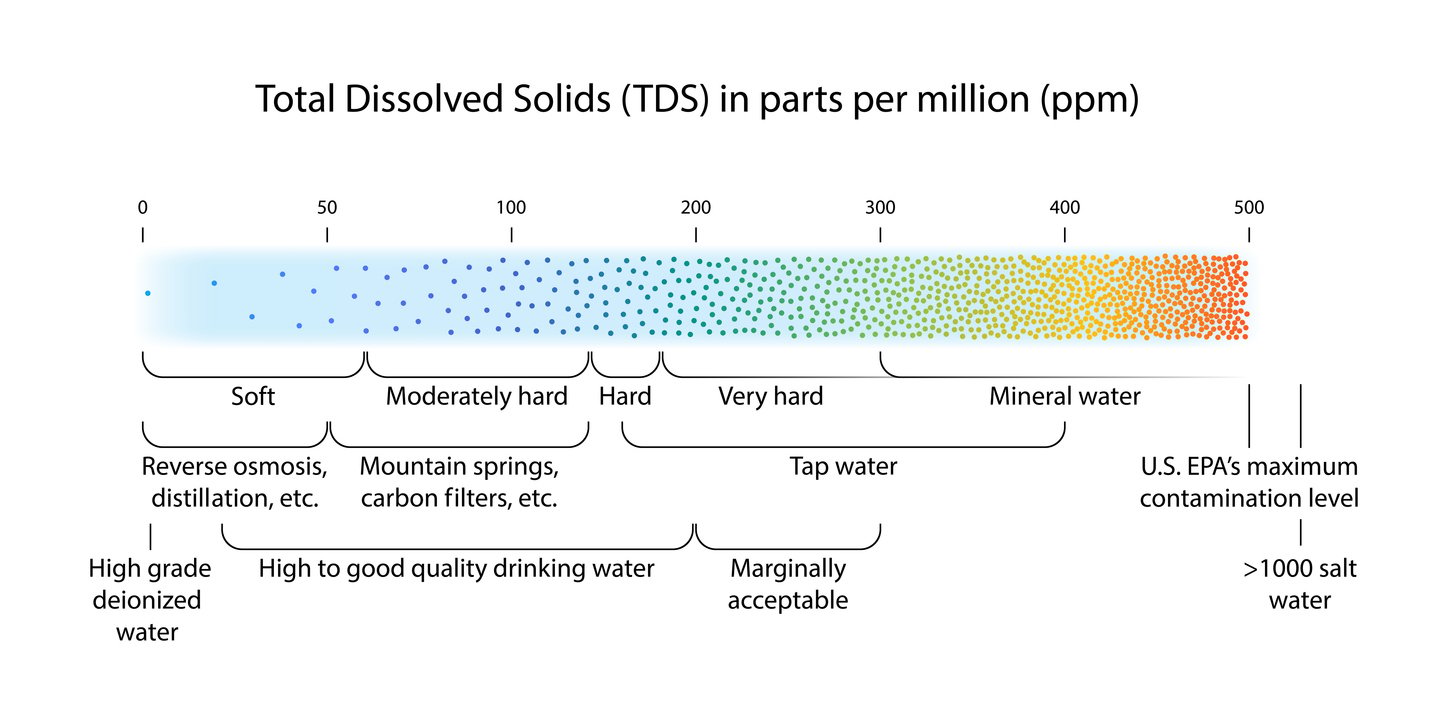
Ever taken a sip of water and thought, “Huh, this tastes a little… rocky”? You might be tasting Total Dissolved Solids, or TDS for short. It sounds like a chemistry exam, but TDS is actually just a fancy way of measuring tiny, invisible stuff floating in your glass. We’re talking minerals, salts, and even a bit of organic matter that hitched a ride from the source.
What Exactly Are Those Solids?
Think of water as a party host. It picks up guests wherever it goes—dissolving bits of calcium, magnesium, sodium, and potassium from rocks and soil. These are good guys, the ones that make your water taste alive and crisp. But sometimes, the guest list gets a little wild with heavy metals, pesticides, or old pipe rust—those are the party crashers you want to keep out.
TDS is measured in parts per million (ppm). Zero ppm means absolutely pure water—which is actually boring and flat, like drinking a cloud. Meanwhile, a high number, say 500 ppm, can taste salty or metallic, like licking a penny that’s been soaking in a salt shaker. It’s all about the balance.
Must Read
Why Should You Care? (Spoiler: It’s Cool)
Here’s the wild part: your tap water is basically a mineral cocktail. The TDS level tells you if you’re sipping a fancy mineral water from a spring or something closer to a puddle. For example, bottled waters like Fiji or Evian boast TDS levels around 200–300 ppm, giving them that “smooth, silky” mouthfeel. In contrast, rainwater is usually under 10 ppm—seriously, it’s practically a ghost.
Your body actually loves some TDS. Calcium strengthens bones, magnesium helps your muscles and mood, and potassium regulates your heart. So, a glass of moderate-TDS water isn’t just refreshing; it’s like a subtle, drinkable multivitamin. Pretty neat, right?
The Taste Test (Without Being a Snob)
You’re probably wondering: “Can I taste the difference?” Yes! Low TDS water (under 50 ppm) tastes flat and almost slippery—like a blank page. High TDS water (over 300 ppm) can be mouth-filling, slightly salty, or chalky. The sweet spot? Most folks enjoy water between 100 to 250 ppm. That’s where you get that “fresh spring” vibe without any chalky aftertaste.
But here’s the trick: temperature matters. Cold water masks TDS flavors, while room-temperature water reveals the true personality of your glass. Next time, let it sit for five minutes. Notice a mineral note? That’s the TDS doing its funky dance on your tongue.
 TDS Water Meters - Check Water Quality With Total Dissolved Solids Test
The Techy Side (Just the Fun Bits)
How do we measure TDS? You can buy a little gadget called a TDS meter for about ten bucks. It zaps the water with electricity and measures how well it conducts—pure water is a terrible conductor, but dissolved minerals like salt let the current flow. So, a higher reading means more stuff floating around. It’s like checking the bouncer’s list at the water party.
Home filters like reverse osmosis smash TDS down to nearly zero. That’s great for removing nasty stuff like lead, but it also strips out the good minerals. That’s why many people re-mineralize their filtered water—adding a pinch of mineral drops to get that satisfying taste back. It’s water skincare, if you will.
A Fun Comparison: Your Coffee
Ever wonder why your coffee at home tastes different from café coffee? Blame TDS. Baristas obsess over water because high TDS makes coffee bitter (the minerals get weird with the beans), while low TDS makes it taste sour and weak. The perfect coffee water? Around 150 ppm. So, your morning brew is secretly a science experiment about dissolved solids. How cool is that?
The Bottom Line (It’s Not Scary)
Total dissolved solids aren’t something to fear. They’re just the story of your water—where it’s been, what rocks it kissed, and how it traveled to your tap. A moderate TDS level is a sign of healthy, mineral-rich water. But if your water tastes like a swimming pool or leaves white spots on your glasses, it might be time to test it.
Remember: your water is alive. A little TDS makes it interesting, a lot makes it a problem. Next time you take a sip, think about the tiny, invisible journey happening inside your glass. It’s just a bunch of minerals having a quiet, delicious party. Cheers to that!
