Well Water Filtration Systems For Sulfur

Imagine turning on your tap for a refreshing glass of water, only to be hit with the unmistakable aroma of a thousand forgotten eggs. You’re not making breakfast; you’re just...

Imagine turning on your tap for a refreshing glass of water, only to be hit with the unmistakable aroma of a thousand forgotten eggs. You’re not making breakfast; you’re just trying to hydrate. That, my friend, is the calling card of sulfur in your well water, and it’s a party no one asked to attend. But don’t despair—before you start buying bottled water by the truckload, let’s talk about how to kick that rotten-egg stench to the curb.
The Great Sulfur Mystery
Sulfur in well water doesn’t come from a prankster neighbor; it’s usually from naturally occurring bacteria living deep underground. These little guys feast on sulfate minerals and belch out hydrogen sulfide gas as a thank-you gift. The result? Water that smells like a swamp farted in your glass.
Here’s a surprising fact: that smell is actually harmless in small amounts—your body won’t explode from a whiff of rotten eggs. But let’s be honest, you don’t want to brush your teeth with something that smells like a sewer’s apology. A filtration system isn’t just a luxury; it’s your ticket to water that doesn’t double as a chemical weapon.
Must Read
Enter the Air-Injector: The Rotten-Egg Exorcist
First up on our filtration hit parade is the air-injector oxidizer, a gadget that works like a tiny tornado for your pipes. It forces air into the water, which oxidizes the sulfur—basically turning that stinky gas into harmless solid particles that can be filtered out. It’s like giving your water a spa day, complete with a scrub and a fresh coat of oxygen.
The best part? No chemicals, no weird additives—just good old air. Think of it as the Zen master of water treatment. I once installed one in my cousin’s cabin, and the first time he smelled nothing but fresh water, he cried. Okay, he didn’t cry, but he did hug the faucet, which is weird but acceptable.
The Chlorinator: When You Want to Fight Fire with Fire
If your sulfur problem is more aggressive—say, it smells like a poultry farm during a heatwave—you might need a chlorinator. This system injects a tiny amount of chlorine into your water, which annihilates the sulfur bacteria and their stinky gas. It’s the nuclear option, but in a good way.
Just be careful: too much chlorine, and you’ll trade “rotten eggs” for “public swimming pool.” Balance is key here, like seasoning a steak. You don’t want to overpower the meat, but you do want to kill the funk. A pro can dial it in so your water tastes clean, not like a chemistry lab accident.
The Activated Carbon Filter: The Silent Hero
Not all sulfur problems require a full-blown chemical war. Sometimes, a carbon filter can soak up the smell like a sponge at a juice spill. These filters are packed with activated charcoal, which grabs sulfur molecules and holds them hostage until you need a new cartridge.
Here’s the wild part: those same carbon filters can also remove chlorine, pesticides, and that weird metal taste from old pipes. It’s like hiring a bodyguard for your water who also does stand-up comedy. One affordable filter can turn your faucet from a horror show into a five-star hydration station.
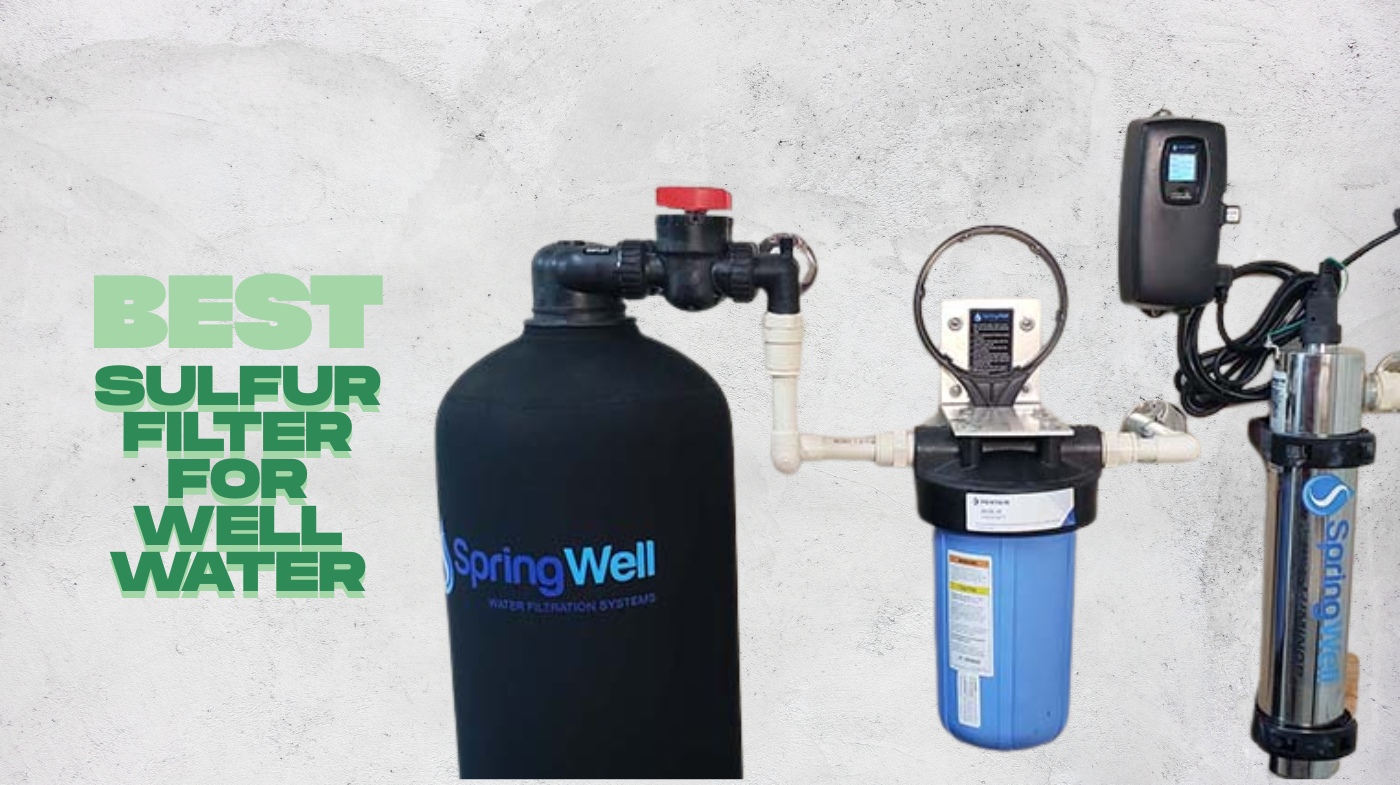 Best Sulfur Filters for Well Water – Odor and Taste Removal – Plumbing Ways
The Irony of Sulfur Water
Here’s a twist you didn’t see coming: sulfur water is actually good for your plants. Gardeners sometimes use it to treat soil, and your lawn might thrive on the stuff. But unless you’re trying to win a “worst-smelling garden” award, you probably want your drinking water to smell like, you know, nothing.
Another shocker: some ancient cultures believed sulfur water had healing powers for skin conditions. And yeah, you can bathe in it—but don’t expect a romantic partner to join you. It’s a “me time” activity, preferably with a window open and a fan on full blast.
When to Call the Pros
I’d love to tell you that a DIY bucket and a prayer can fix this, but well water filtration is a science, not a craft project. The wrong setup can leave you with rusty water, broken pipes, or a system that sounds like a dying robot. Call a local water treatment expert—they’ll test your water’s pH, iron levels, and sulfur concentration faster than you can say “eggs Benedict.”
One test might reveal that your sulfur smell is actually from your water heater, not the well itself. That’s a $50 solution, not a $2,000 one. But only a pro with a test kit can tell you if your pipes are hosting a bacteria rave or if your heater’s just old and cranky.
The Bottom Line (No Smell Joke Included)
Living with sulfur water is like dating someone with a terrible hobby—you can either tolerate it or fix it. Filtration systems aren’t cheap, but neither is buying pallets of bottled water for the rest of your life. Plus, your coffee will finally taste like coffee, not a science experiment gone wrong.
So, take action. Test your water. Buy a filter. Heck, invite your friends over for a “taste test” of your new, odor-free tap—they’ll be impressed, and you’ll finally be the hero of your own water story. And if you still smell eggs? Just remember: it’s not you, it’s your well. But now you know how to fix it.
