Is Distilled Water Same As Bottled Water

So the other day, my friend Karen—you know the type, the one who reads every label and has opinions on everything—invited me over for tea. She proudly set down two steaming mu...
So the other day, my friend Karen—you know the type, the one who reads every label and has opinions on everything—invited me over for tea. She proudly set down two steaming mugs. "I only use distilled water now," she announced, as if she’d just discovered fire. I took a sip. It tasted... flat. Like the water had lost its soul. "But isn’t that just fancy bottled water?" I asked. She looked at me like I’d asked if ketchup was a smoothie.
That moment stuck with me. Because honestly, when you grab a plastic bottle at the store, it all looks the same: clear, cool, and labeled "water." But distilled water and bottled water are not the same thing. Not even close. And understanding the difference might just change how you (and your tastebuds) look at that next sip.
Watter’s Makeover: Distillation vs. Bottling
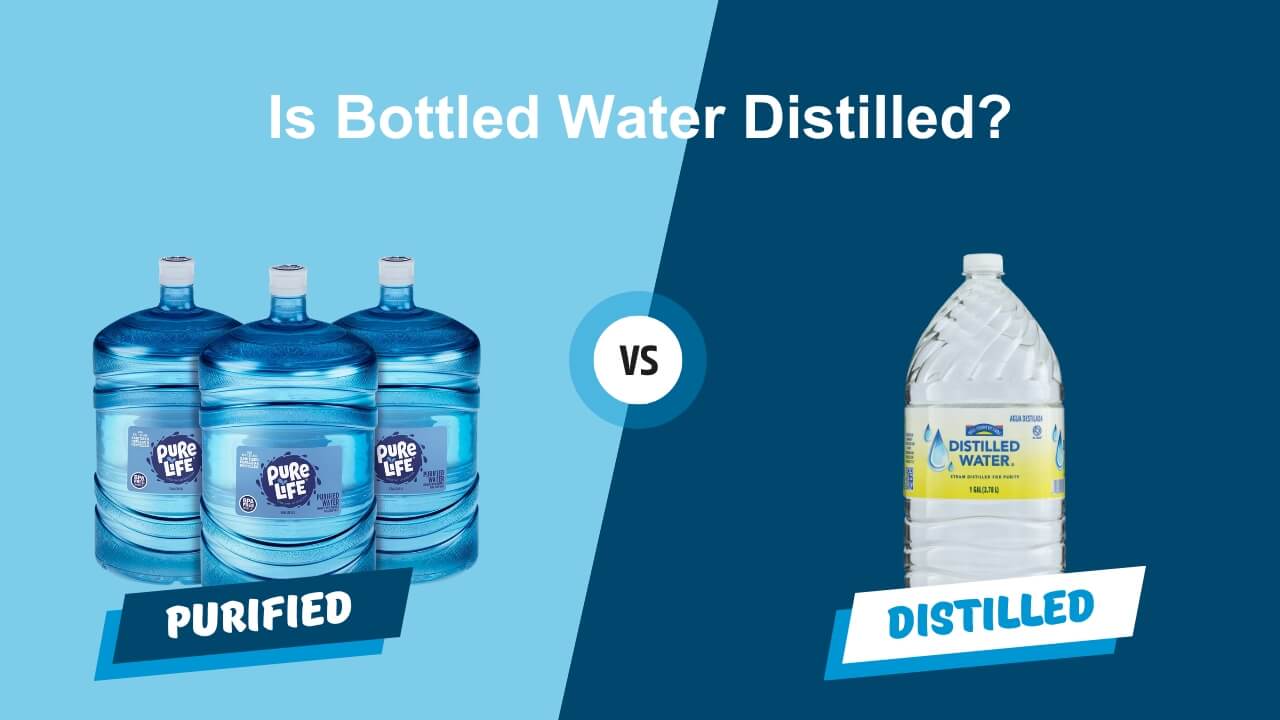
Think of distilled water as the over-achieving introvert of the water world. It’s made by boiling water into steam, then condensing that steam back into liquid. This process strips away everything—minerals, salts, bacteria, even that faint taste of earth. It’s pure H₂O. Almost too pure.
Must Read
Bottled water, on the other hand, is the social butterfly. It usually comes from a spring, artesian well, or even a municipal tap, but it’s filtered and sometimes fortified with minerals for taste. It keeps its identity. It still has calcium, magnesium, and that little "snap" that makes water refreshing. Basically, distilled water is a clean slate; bottled water has a backstory.
The Flavor Fiasco (or Why Your Tea Tastes Sad)
Here’s the ironic part: distilled water is so pure, it can taste weird. Without minerals, your tongue doesn’t get the chemical cues it expects. It feels flat, almost oily. That’s why your coffee or tea made with distilled water can taste lifeless. (Sorry, Karen.)
Bottled water, even the cheap stuff, usually has a tiny mineral profile that gives it a crisp finish. Your brain loves that. I’m not saying you need a sommelier for water, but try a side-by-side taste test. You’ll notice the difference immediately. One tastes like a mountain stream; the other tastes like a clean, empty bathtub.
But Wait, Are They Both Safe?
Yes, both are safe to drink. The FDA regulates bottled water as a food product. Distilled water is also safe, but only if you’re not relying on it for all your hydration. Here’s the kicker: drinking only distilled water for long stretches can leach minerals from your body—because water that’s thirsty for electrolytes will pull them from wherever it can. (Your teeth, for instance. Not ideal.)
 7 Key Differences: Spring Water Vs Distilled Water | H2GO Water Bottle
Bottled water, especially spring or mineral water, usually adds back those goodies. So if you’re an athlete or just a human who likes their bones intact, stick with bottled for daily sipping. Distilled water is best for your iron, car battery, or that fancy humidifier. Not for your kidneys.
Price Tag Reality Check
Let’s talk money, because no one likes paying extra for disappointment. A gallon of distilled water might cost you $1.50 at the grocery. A bottle of fancy spring water? Easily $4. You’d think the fancier process would cost more. But here’s the twist: you’re paying for marketing and minerals. Bottled water companies sell you a story—"from the Alps!"—while distilled water is just sold as a utility.
Is one better? Only if your goal is to avoid mineral buildup in your coffee maker. If you’re just thirsty, grab the bottled stuff. Your taste buds will thank you, and your wallet won’t weep too much if you buy store-brand spring water. Just don’t confuse the two on your cereal. That’s a sad, flat breakfast.
The Final Sip: Context is Everything
So, next time you’re in the water aisle, think about your purpose. Distilled water is for your electronics, your CPAP machine, or that special aquarium fish. Bottled water is for you. Your body, your tea, your survival. Karen might argue that distilled is "purer," but pure doesn’t always mean better. It’s like listening to a song with no instruments—just a voice. Technically pure, but kinda boring.
If you’re still confused, just ask yourself: "Would I put this in my car’s radiator?" If the answer is yes (distilled), don’t drink it daily. If the answer is no (bottled spring water), go ahead and chug. And maybe buy Karen a filter for her tea water. She’ll thank you later—after she tastes what water is supposed to be.
