Is Ro Water And Distilled Water The Same

So, you’re standing in the water aisle at the grocery store, staring at a bottle labeled “Reverse Osmosis” and another one labeled “Distilled.” You squint. You scratch your he...
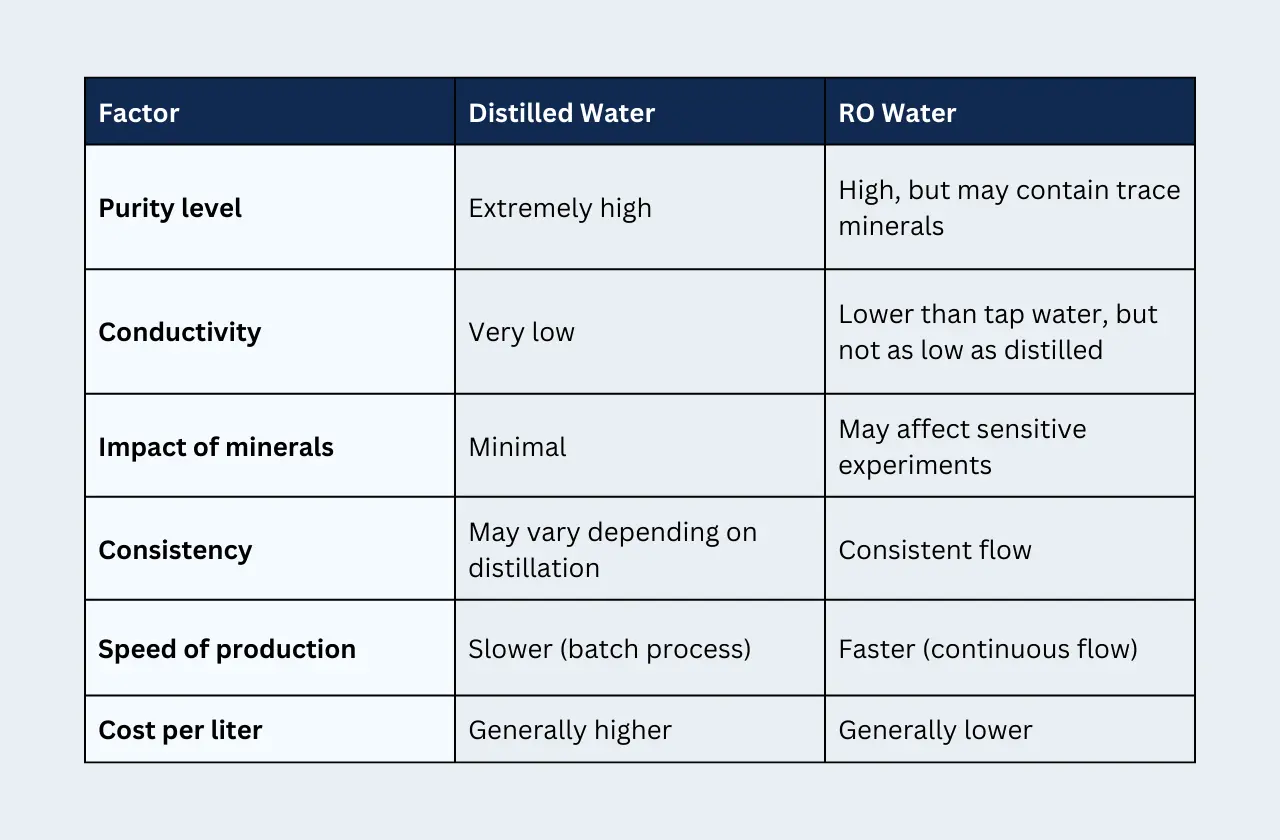
So, you’re standing in the water aisle at the grocery store, staring at a bottle labeled “Reverse Osmosis” and another one labeled “Distilled.” You squint. You scratch your head. Are they the same thing? I’ve been there, and I promise you: they are not twins—they’re more like very distant cousins who only look alike from a certain angle in bad lighting.
Let’s clear up the confusion with a little science, but I’ll keep the boring parts short. Think of water as a party bus full of minerals, chemicals, and random hitchhikers. Reverse Osmosis (RO) is like a bouncer at that bus who uses a super-fancy membrane to kick out the big, heavy riffraff—like lead, chlorine, and salt—but lets a few of the lighter passengers (like tiny minerals) stay on board. Distilled water, on the other hand, is like vaporizing the whole bus, collecting the steam, and then letting it condense back into pure H₂O, leaving everyone behind—even the flavor particles.
What’s Actually in the Bottle?
Here’s the part where I tell you the key difference that trips everyone up. RO water is highly purified, but it still contains trace amounts of dissolved minerals like calcium and magnesium—stuff your body actually likes. Distilled water is the ultimate minimalist: it’s practically naked of anything except hydrogen and oxygen molecules.
Must Read
If you tasted them blindfolded, you might not notice a huge difference—both are way cleaner than tap water. But a water sommelier (yes, that’s a real job, and I’m jealous) would tell you RO water has a slightly rounder mouthfeel thanks to those leftover minerals. Distilled water tastes like… well, nothing. It’s the beige paint of the water world.
When You’d Pick One Over the Other
Here’s where things get practical—and slightly hilarious. Don’t use distilled water for your fish tank. Seriously, fish need those minerals; pure H₂O is like a sensory deprivation tank for them, and they’ll get grumpy and float upside down. RO water is actually great for aquariums because it still has a little mineral buffer. Also, please don’t use distilled water in your coffee maker unless you want bitter, sad coffee—the machine needs a few minerals to make extraction work. RO water? Your coffee will sing.
Now, for drinking every day? Most health experts shrug and say both are fine, but RO water is usually the popular pick because it doesn’t leach minerals from your body like straight-up distilled water can if you chug it exclusively. If you drank only distilled water for a month, you’d probably start craving a salt lick. It’s not dangerous in small amounts—just boring and a little aggressive.
What about cleaning? Oh, here’s a funny one. Distilled water is the MVP of your iron, humidifier, and car battery because it leaves zero mineral residue. No white crust. No scale. It’s like the neat freak of the water world. RO water still has a tiny amount of dissolved solids, so it’ll eventually build up—just slower than tap water. If you’re the type of person who forgets to clean their humidifier for six months (hi, me), go distilled. Your appliance will thank you with a longer life.
The Big “Are They the Same?” Verdict
Here it is in one casual sentence: RO water and distilled water are not the same—they’re purified by totally different processes, and RO water keeps a pinch of minerals while distilled water is a blank slate. Think of it like skim milk (RO) versus water that’s been boiled and then turned into clouds (distilled). Both are pale and kind of boring, but they’re not identical.
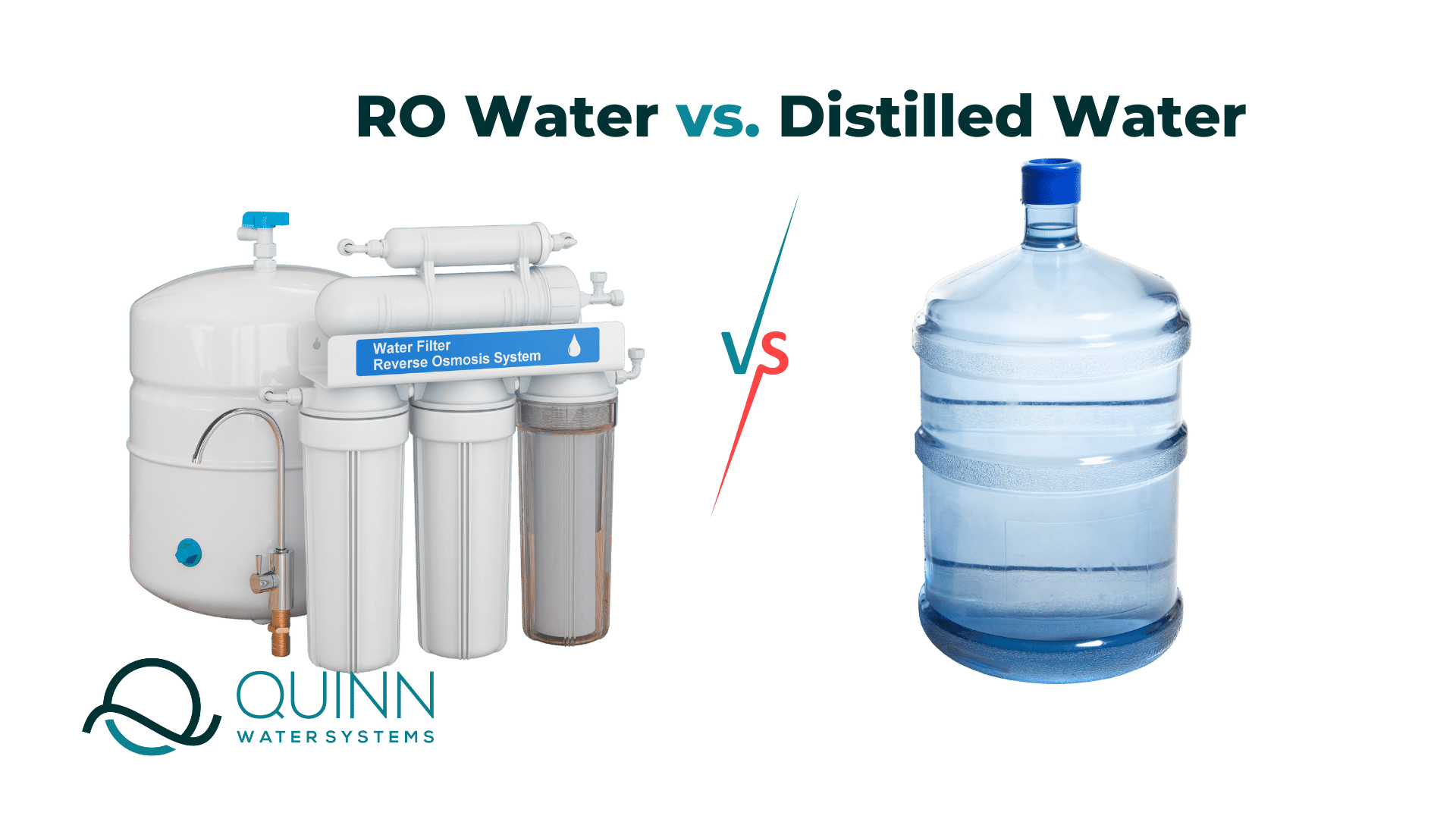 RO Water vs. Distilled Water: Which is Better for You?
Still, for 90% of everyday uses—drinking, cooking, making ice cubes—you can swap them without anyone noticing. If you’re a water snob, you might care. But if you’re like me, you just want something that doesn’t taste like pool chlorine. And both RO and distilled nail that.
A Quick Cheat Sheet (Because We All Love a List)
RO water: Has some minerals, great for drinking and fish tanks, won’t destroy your coffee maker. Distilled water: Zero minerals, perfect for irons and battery top-offs, but tastes like a ghost’s whisper. Pick your fighter.
So, What’s the Uplifting Conclusion?
Here’s the thing: whether you choose RO or distilled, you’re already winning. You’ve chosen to skip the tap water that might have trace amounts of phthalates or that weird “swimming pool” aftertaste. You’re hydrating with something clean, and that’s a beautiful thing. In a world full of uncertainty, you can count on one fact: a glass of purified water is always a good idea.
And remember, if someone ever tells you “RO and distilled water are the same,” you can now smile knowingly, sip your perfectly mineral-balanced RO water, and say, “They’re cousins, not twins.” Then offer them a sip. They probably won’t notice the difference anyway. That’s the real magic of water: it brings us together, even when it’s slightly different.
So go ahead—buy whichever bottle makes you happy. Fill your glass. Drink up. And if anyone asks you why you chose one over the other, just wink and say, “My fish told me to.” They’ll never know you’re the fun water expert now. Cheers! 🥤
