Filters For Water And Wastewater Systems

Ever stopped to think about where your tap water actually comes from? I mean, really think about it. It’s pretty wild when you consider that the same water you’re sipping migh...
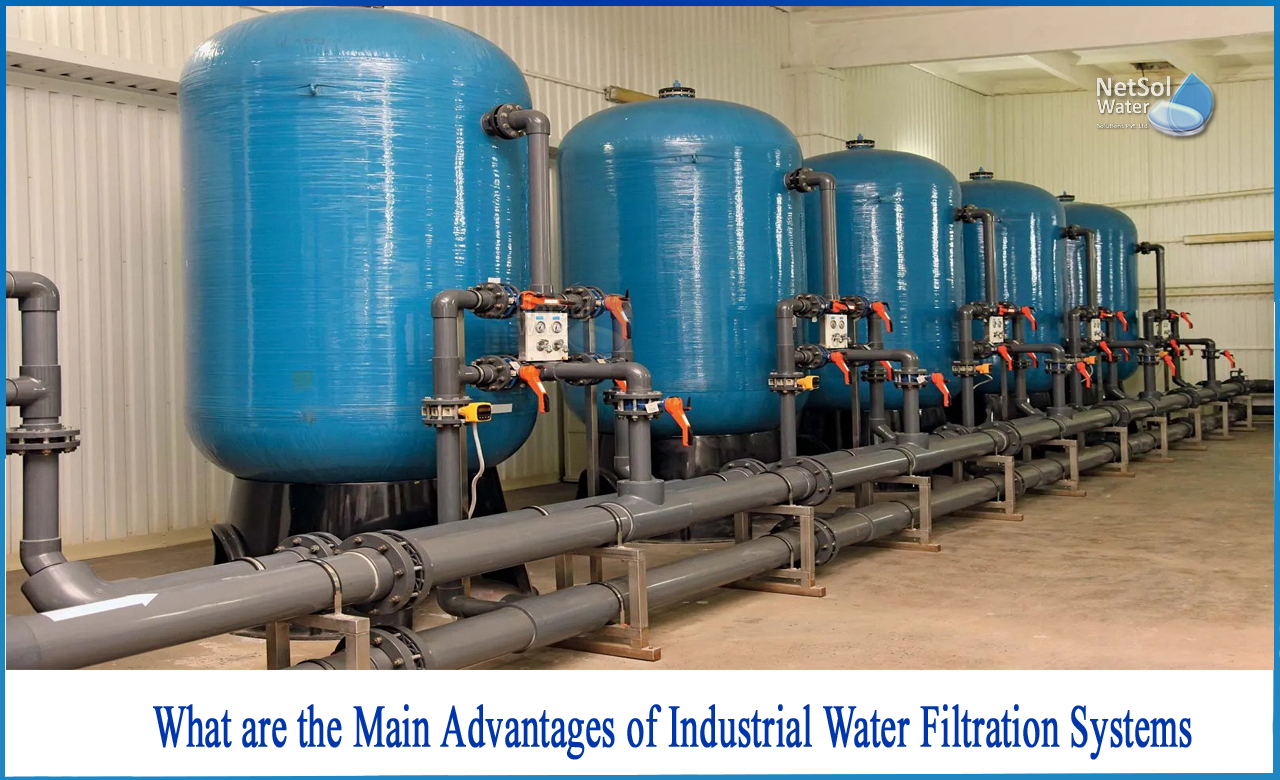
Ever stopped to think about where your tap water actually comes from? I mean, really think about it. It’s pretty wild when you consider that the same water you’re sipping might have been part of a dinosaur’s bathtub a million years ago. But getting it clean enough for your morning coffee takes some seriously clever technology.
Why We Even Need Water Filters
Okay, let’s be real for a second. Water is a natural solvent, meaning it loves to pick up bits and pieces of everything it touches—dirt, minerals, and even microscopic critters. No filter? You’re basically drinking a nature smoothie you didn’t order. And wastewater? That’s a whole different beast, full of things you definitely don’t want in your glass.
Filters are the unsung heroes that turn murky, questionable liquid into something crystal clear. They work like a bouncer at a very exclusive club, only letting the good stuff (water molecules) through while kicking out the riff-raff. Pretty cool, right?
Must Read
The Simple Yet Awesome Mechanics
Imagine a really fancy colander. That’s the basic idea behind most filters—physical straining. Some have microscopic holes so tiny that bacteria and sediment get caught, but water slips right through. It’s like a sieve for the invisible world.
Then you’ve got carbon filters, which are the rock stars of taste and smell. They work like a sponge, absorbing chlorine, bad flavors, and funky odors. Ever wonder why hotel tap water sometimes tastes weird? It’s likely missing a carbon filter date.
And for the heavy-duty stuff? Reverse osmosis systems push water through a super-fine membrane under pressure. Imagine squeezing a sponge so hard that only the cleanest drips come out. That’s basically what it does, stripping away everything from lead to fluoride. It’s almost too good at its job.
Wastewater: The Gross-Glorious Makeover
Now, let’s talk about the unsung champion: wastewater treatment. It sounds gross, but it’s actually one of the most fascinating processes on the planet. Think of it as the ultimate recycling project for your sink and toilet.
First, the water goes through a screening process that’s like a heavy-metal concert security check. Big stuff like trash, rags, and random objects get pulled out. Then, it sits in giant tanks where gravity does the heavy lifting, letting heavier solids sink to the bottom. It’s oddly satisfying to know physics is helping clean your mess.
 Wastewater Treatment And Recycling - Water & Wastewater
But here’s where it gets really cool: microbial cleaning. Tiny bacteria gobble up all the organic waste—like a microscopic buffet. These little guys eat the “bad stuff” and turn it into harmless gas and sludge. Nature literally eats your leftovers. How wild is that?
Filters That Save Rivers and Lakes
After the microbes, the water is still a bit cloudy, so filters step in for the final polish. Sand filters, for example, trap tiny particles that missed the earlier parties. It’s like giving the water a gentle spa treatment before it goes back into the wild.
Some systems even use ultraviolet (UV) light to zap any remaining bacteria or viruses. Think of it as a sunburn for germs—they get damaged so badly they can’t reproduce. No chemicals, just pure light. It’s basically science magic.
And here’s the kicker: that cleaned wastewater is often cleaner than the river it ends up in. Seriously. Modern filters can make treated wastewater drinkable, a process called direct potable reuse. Yes, that means yesterday’s shower water could be tomorrow’s drinking water. Don’t freak out—it’s been tested and it’s safer than most bottled stuff.
The Coolest Part? You Already Use One
Bet you didn’t realize that your own kitchen sink might have a filter right now. That little pitcher in your fridge? Yep, that’s a filter. Even the screen on your faucet (called an aerator) does a tiny bit of straining. We’re all tiny water engineers and we didn’t even know it.
So next time you take a sip, give a little nod to the sand, carbon, and tiny bacteria that made it possible. Water filters are like the backstage crew of your life—quiet, working hard, and making sure the show goes on. And honestly? That’s pretty rad.
