Is Distilled Water And Ro Water The Same

So, you’re staring at water filters again. Maybe you’re trying to be healthy, or maybe your tap water tastes like a swimming pool. Either way, you’ve bumped into two big names...
So, you’re staring at water filters again. Maybe you’re trying to be healthy, or maybe your tap water tastes like a swimming pool. Either way, you’ve bumped into two big names: distilled water and reverse osmosis (RO) water.
Are they the same? I get asked this all the time, usually while someone is holding a jug and looking confused. Let’s settle this once and for all, shall we? Grab your coffee—or your water—and let’s chat.
The Short Answer? No, They’re Not Twins
Distilled water and RO water are cousins, not siblings. Both are incredibly pure, but they get there by totally different methods. Think of it like this: one uses a party trick, and the other uses a brute force workout.
Must Read
Distilled water is the drama queen. It gets boiled into steam, then cooled back into liquid, leaving all the minerals and nasties behind. RO water is the ninja. It pushes water through a super-fine membrane that catches almost everything, like a bouncer at an exclusive club.
Both are way cleaner than your tap water. But they’re not the same. Trust me.
How Distilled Water Is Made: The Steam Party
Making distilled water is simple, but it takes forever. You boil water until it turns to steam, then catch that steam and let it condense back into liquid. The minerals, bacteria, and even some viruses can’t hitch a ride in the steam—they stay behind in the pot like unwanted guests.
It’s ancient technology, really. Alchemists used to do this, and so do modern labs. The result is water that’s 99.9% pure. It’s so clean it almost feels lonely.
But here’s the kicker: you have to wait for all that boiling and cooling. It’s slow, and it uses a lot of energy. Your electric bill won’t thank you.
How RO Water Is Made: The Squeeze Play
Reverse osmosis is the new kid on the block. It uses pressure to force water through a very thin, special membrane. This membrane has tiny pores that let water molecules through but block almost everything else—salts, chemicals, lead, even some microscopic bugs.
It’s like a really aggressive coffee filter. Except instead of making coffee, you get water so pure it could probably solve a math problem. RO systems usually have several stages—a sediment filter, a carbon filter, then the membrane—so it’s a whole team effort.
The big win here? No boiling needed. It uses less energy than distillation, but it wastes water. For every gallon of RO water you get, about 2-4 gallons go down the drain. Ouch.
So, What’s the Real Difference in the Glass?
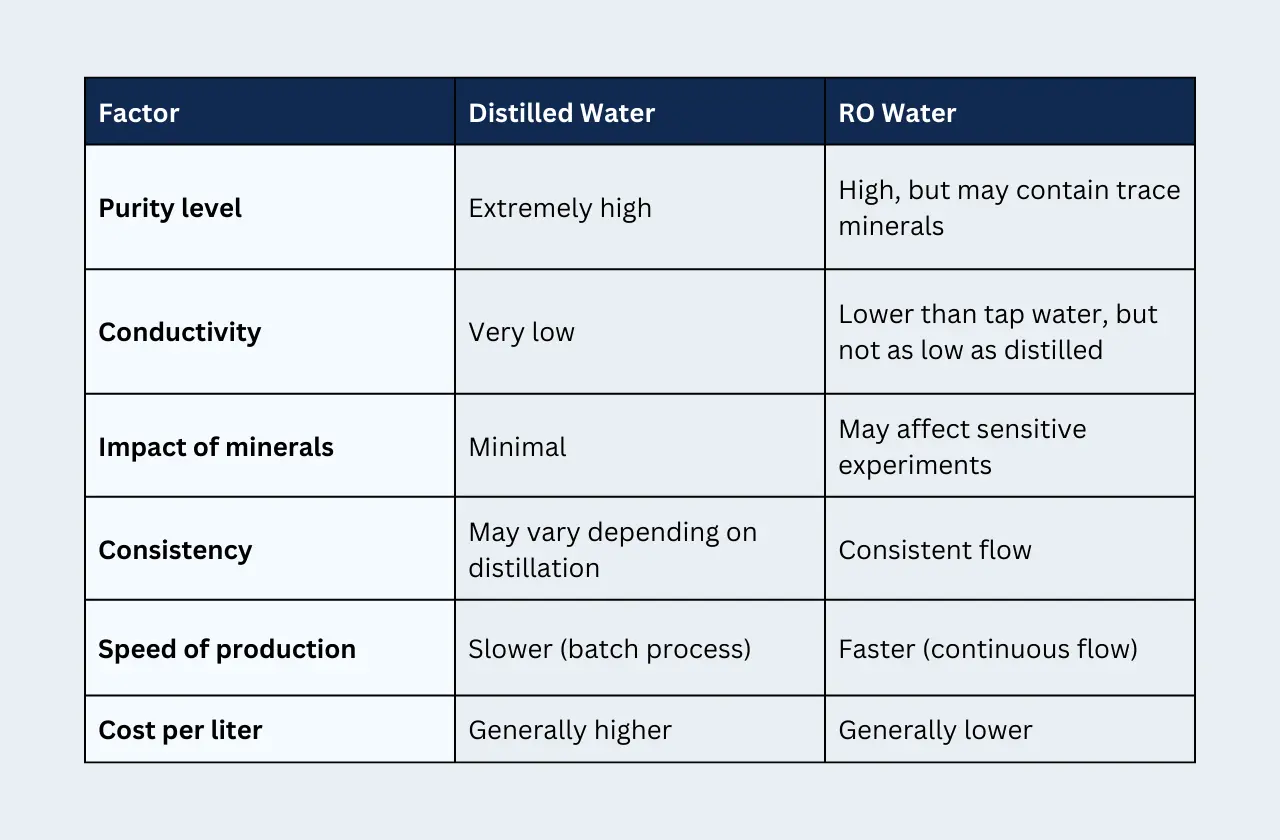
Let’s get nerdy for a second. Both processes remove most impurities, but not the same ones. Distillation is amazing at killing bacteria and removing heavy metals, but some volatile organic chemicals (VOCs) can actually boil and re-condense with the water.
RO membranes are better at catching those tricky VOCs. RO is also great at removing fluoride, chlorine, and dissolved salts. Distillation usually gets fluoride too, but it’s a bit slower about it.
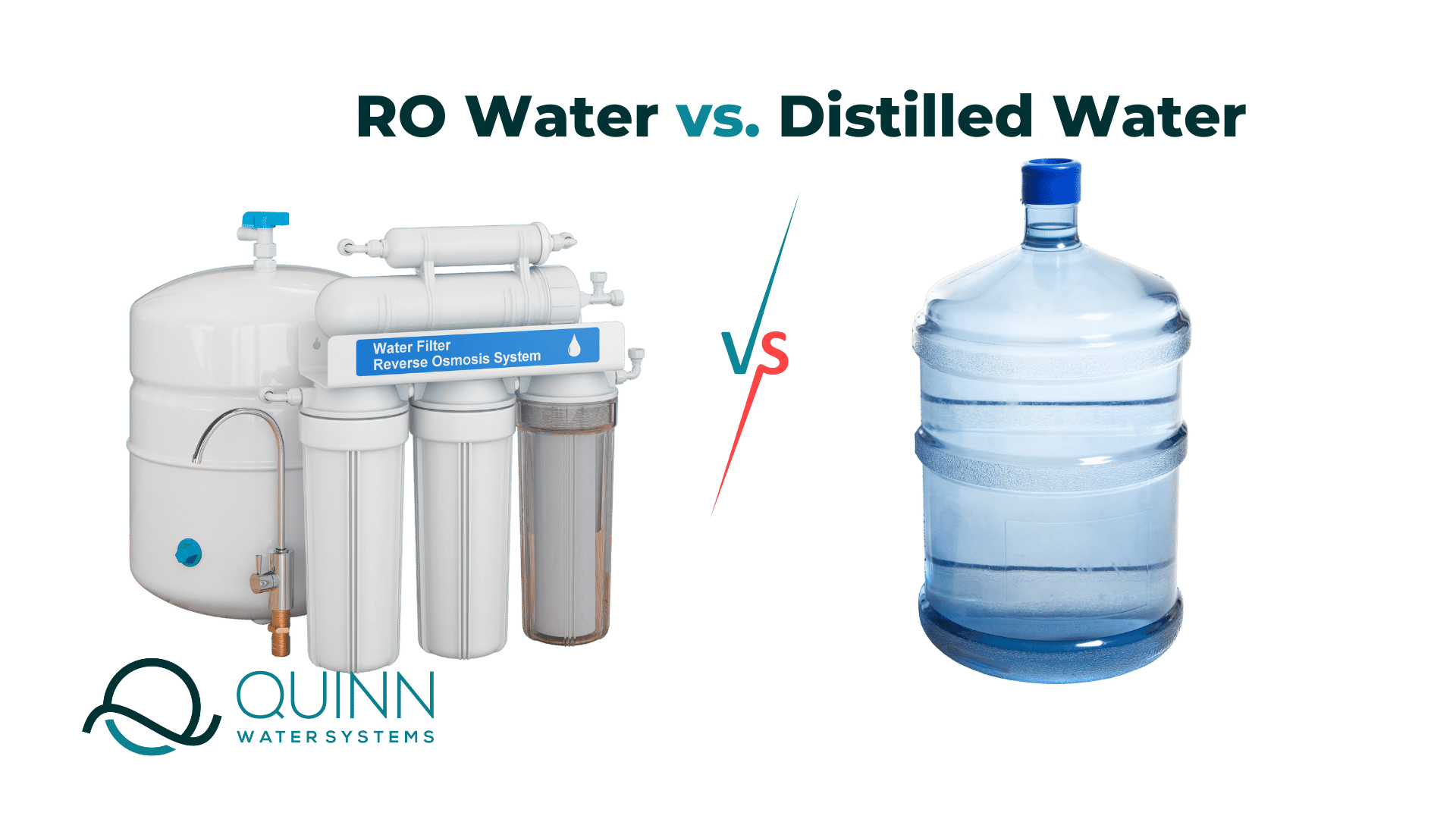 RO Water vs. Distilled Water: Which is Better for You?
In a blind taste test? Most people can’t tell the difference. Distilled water sometimes tastes a little “flat” or “dead” because it has no minerals. RO water can taste slightly crisper. But honestly, both are pretty boring. That’s the point!
Which One Should You Drink?
Ah, the million-dollar question. If you’re just drinking water for hydration, either is fine. But don’t drink only distilled water forever. Why? Because it’s too pure. It lacks minerals like calcium and magnesium, and some say it can leach them from your body. Is that true? Maybe a little, maybe not—but why risk it?
RO water also loses minerals, but many RO systems add a remineralization filter at the end. Now that’s smart. Distilled water is better for steam irons, car batteries, and humidifiers. Don’t put tap water in your iron—trust me, you’ll regret it.
For drinking, I’d pick RO water with remineralization. It’s pure but not stripped of everything good. Distilled is for science projects and emergency prep.
A Quick Reality Check: Price and Convenience
Distilling at home costs you electricity and time. A countertop distiller might run for hours to make a gallon. RO systems are faster but require installation, filter changes, and that water waste I mentioned.
Buying bottled distilled or RO water is easy, but mug’s game. You’re paying for plastic and transport. And honestly, sometimes “distilled” water in a store might just be filtered tap water. Read the label, okay?
If you’re serious about purity, get a good under-sink RO system. If you’re a hobbyist or want zero chemicals, go for distillation. For most of us, a cheap pitcher filter is probably enough. Don’t overthink it.
So, Are They the Same? Final Verdict
No. Distilled water and RO water are not the same. They’re different processes with similar outcomes. Distilled uses heat. RO uses pressure. Both give you water that’s very clean, but with trade-offs.
Think of it like this: distilled is a steam bath, RO is a high-tech spa. Both leave you feeling refreshed, but one takes longer and costs more energy. The other wastes a bit of water but is faster.
Now go fill your glass. And maybe stop worrying about your water so much. Life’s too short to argue with molecules, right?
Cheers, my friend. Stay hydrated.
