Activated Carbon Filters Water Treatment

Alright, grab your mug. Let’s talk about activated carbon filters. You know, those little charcoal superheroes living in your water pitcher or fridge. I’m not talking about t...
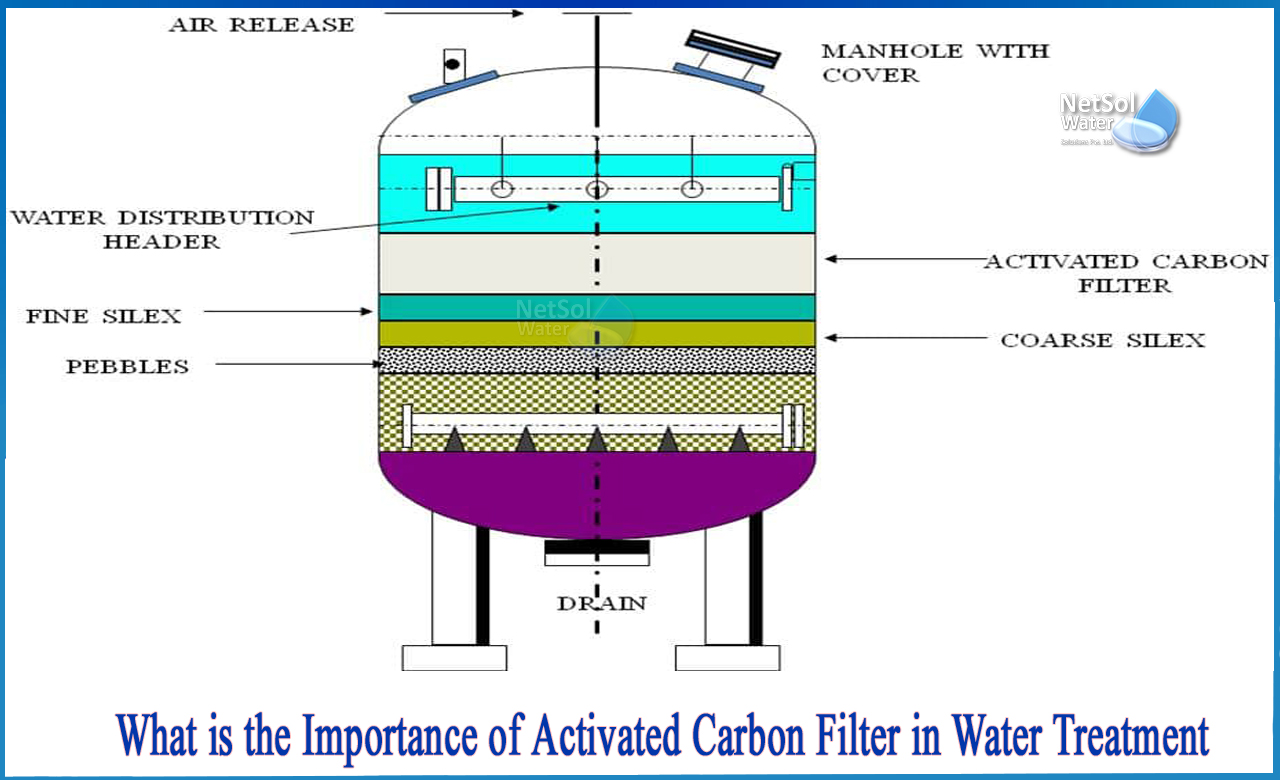
Alright, grab your mug. Let’s talk about activated carbon filters. You know, those little charcoal superheroes living in your water pitcher or fridge.
I’m not talking about the briquettes from your last barbecue. Totally different thing. Though, wouldn’t that be a fun experiment? Probably not. Stick with me.
So, What Even Is Activated Carbon?
Imagine a regular sponge. Now imagine that sponge has a million tiny nooks and crannies inside it. That’s activated carbon, but way more dramatic.
Must Read
They “activate” it by zapping it with gas or heat. This opens up pores so small, they can trap stuff you don’t even know is there. We’re talking microscopic. Like, really tiny guest list that no one wants at the party.
It’s not a filter in the “strainer” sense. Big particles just slide past. The magic is in adsorption—fancy word for “sticking to the surface” like glue.
What’s It Actually Sucking Out of Your Water?
Chlorine. That swimming pool taste? Gone. Activated carbon loves chlorine like a dog loves a squeaky toy. It snatches it right up.
Bad smells? Bye-bye. That weird “eggy” or “dirty sock” odor from your tap? The carbon is basically a nose plug for your water. Poof.
It also nails volatile organic compounds (VOCs). That’s the chemical stuff from pesticides, industrial runoff, or even old pipes. You don’t want those in your morning coffee. Trust me.
The Good, The Great, and The “Wait, What?”
Here’s the best part: it’s super low-maintenance. No electricity. No complicated machinery. Just swap out a cartridge every few months and you’re a water wizard.
Does it remove everything? Oh, you wish. It’s useless against dissolved minerals like calcium or magnesium (hello, hard water). For that, you need a separate softener system. Sorry.
And it totally ignores dissolved salts, fluoride, and most heavy metals like lead. If you have lead pipes, a basic carbon filter is not your knight in shining armor. You need something fancier.
But the taste improvement? Chef’s kiss. You’ll never go back to plain tap water again. It’s like someone erased the “ugh” from your glass.
Types of Carbon Filters (Because You Have Choices)
You’ve got your granular activated carbon (GAC). Loose little bits of charcoal in a cartridge. Cheap, easy, works fast. But water can find gaps and sneak past. Rude.
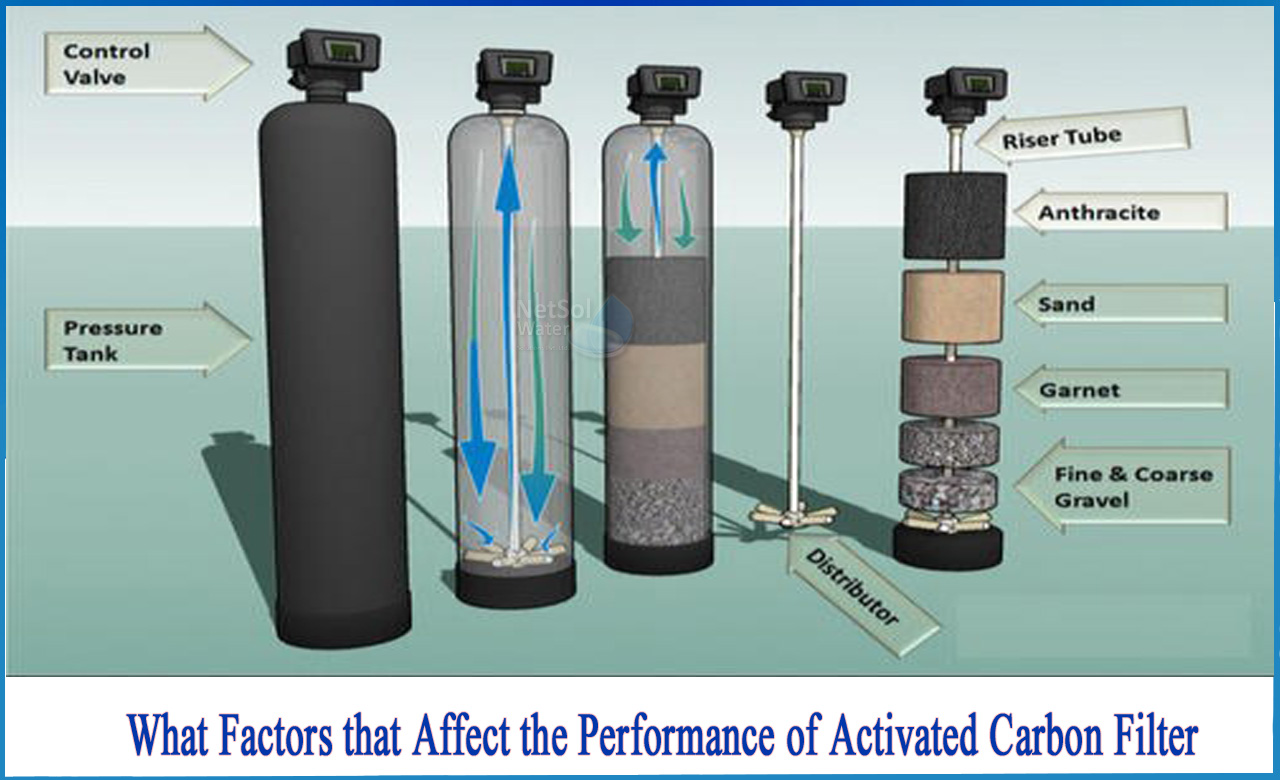 Activated Carbon Water
Then there’s the carbon block. It’s a solid brick of pressed carbon dust. Water has to squeeze through every tiny pore. Slower, but way more thorough. It catches more and works longer.
Which one is better? For most of us? Carbon block. Especially if you’re worried about cysts or microscopic crud. GAC is fine for taste, but block is the overachiever you want in your life.
Does It Cure Cancer? (Spoiler: No)
Let’s not get carried away. It’s not a miracle machine. It won’t make your water “alkaline” or “structured” or whatever fancy word is trending on Instagram. Grounding sheets, anyone? No. Just clean-tasting water.
But honestly? That’s enough. A great-tasting glass of water that doesn’t smell like a swimming pool is a huge win. It makes you drink more water. And drinking more water is basically a superpower.
Plus, it’s cheaper than buying fifty thousand plastic bottles. Your wallet and the planet agree: nailed it.
When to Replace the Thing?
If your water starts tasting “off” again, you’re late. Change it. Most manufacturers say every 2–3 months for a pitcher, six months for a whole-house setup.
Think of it like a sock. Would you wear the same sock every day for six months? No. But your carbon filter does that job. Be kind. Swap it out.
Pro tip: If you left it sitting for a month without use? Toss it. Bacteria can grow in the wet, warm carbon. Yikes. Fresh is best.
The Final Sip
Activated carbon filters aren’t the end-all-be-all of water treatment. But for taste, odor, and common contaminants, they’re the little engine that could. Reliable, affordable, and surprisingly charming.
So go ahead. Fill your glass. Take a sip. Notice how it doesn’t taste like a municipal pipe? You’re welcome. The carbon did the heavy lifting. You just get to enjoy the show.
Now, pass the coffee. I need to fix my own filter. It’s been three months—oops.
