Industrial Anti Scaling Chemicals Market

Have you ever seen a kettle covered in crusty white stuff after boiling water? That's limescale, and it's a total party pooper for anything that heats water. Now, imagine tha...
Have you ever seen a kettle covered in crusty white stuff after boiling water? That's limescale, and it's a total party pooper for anything that heats water.
Now, imagine that same problem, but magnified a million times inside massive industrial pipes, boilers, and cooling towers. That's where the industrial anti-scaling chemicals market comes in, and it's way cooler than it sounds.
Think of scale as a stubborn, rock-hard blanket that clings to metal surfaces. It sneaks up silently, making machines work harder, wasting energy, and eventually causing expensive breakdowns.
Must Read
So, how do we fight this invisible enemy? With a secret weapon: anti-scaling chemicals. These are like specialized cleaning ninjas that stop scale from ever forming in the first place.
Why Should You Care About Tiny Crystals?
It's a fair question. But consider this: every time you turn on a light, drink a glass of water, or use your phone, massive industrial facilities made it possible. And those facilities rely on water.
Water carries minerals like calcium and magnesium, which love to crystallize and stick to hot pipes. Without anti-scaling chemicals, power plants would shut down, and factories would grind to a halt.
It’s basically the unsung hero of modern life, just like duct tape or the person who invented coffee. You don't see it, but you'd definitely notice if it vanished.
The Chemistry Magic Trick
Ever watched someone squirt dish soap on a greasy pan and see the grime vanish? That’s a bit like what scale inhibitors do, but on a molecular level.
They don't dissolve the minerals like an acid. Instead, they interfere with the crystal growth, twisting it into harmless, non-sticky shapes that just flow away. It’s like telling a Lego castle, "No, you can't build that tower here."
This trick is called threshold inhibition, and it’s ridiculously efficient. Just a tiny drop of chemicals can stop tons of scale from forming. Talk about a good sidekick!
A Market That's Growing Like Crazy
Here’s where it gets interesting for the curious mind: the global demand for these chemicals is exploding. Why? Because the world keeps building things.
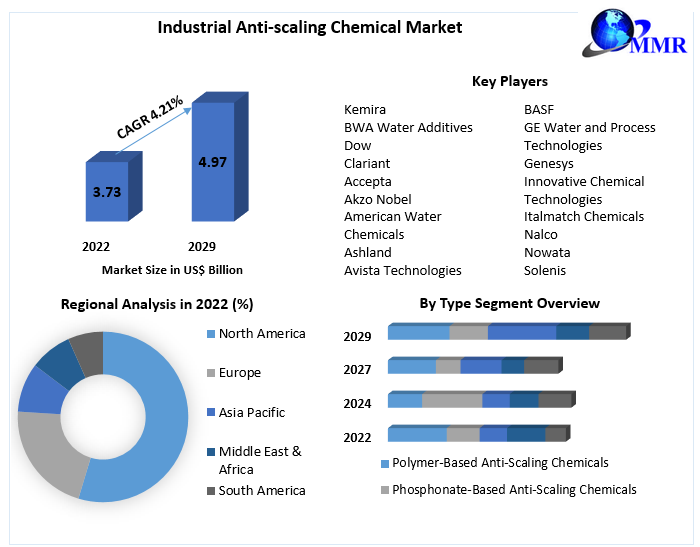
 Industrial Anti-Scaling Chemicals Market Growth Outlook 2026-2034
Think about desalination plants turning ocean water into drinking water. Or data centers cooling thousands of screaming-hot servers. Or oil refineries running 24/7.
All of these operations need water to stay clean and flowing. And that means they all need anti-scaling chemicals to keep their pipes from becoming fossilized. It's a multi-billion dollar industry hiding in plain sight.
Nature's Copycat? Or Not?
Some of the newest chemicals are designed to be biodegradable, mimicking natural molecules. It's like teaching old chemistry tricks some new, eco-friendly manners.
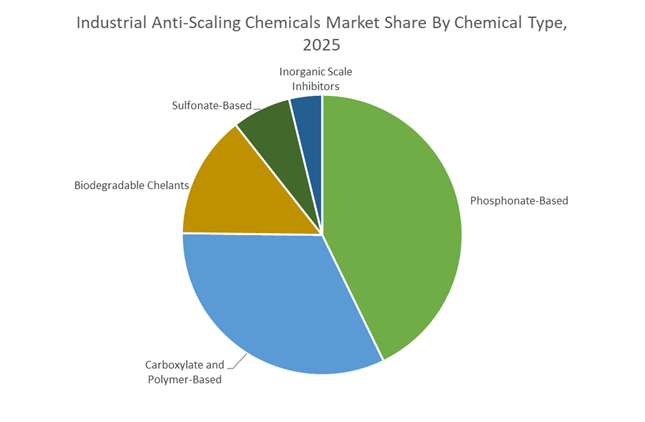
But the old school favorites—like phosphonates and polyacrylates—still rule the roost. They are the reliable, workhorse ingredients that have been keeping factories clean for decades.
The real fun is watching companies compete to invent a "super chemical" that works perfectly in boiling saltwater or freezing cold pipes. It’s a high-stakes game of chemistry chess.
So, What’s the Takeaway?
The next time you see white spots on your faucet, remember: that’s the miniature version of a giant global problem. And somewhere, a chemist in a lab is designing a molecule to banish it forever.
The industrial anti-scaling chemicals market might sound like a boring spreadsheet topic, but it’s really a story about survival, efficiency, and hidden science. It’s the quiet force keeping our water flowing and our lights on.
Isn’t it amazing how much invisible work goes into making our daily lives simply work? Now, go pour yourself a glass of water, and give a silent nod to the anti-scaling chemicals that made it crystal clear.
