Water Filtration Faucets Stainless Steel

Let’s be real for a second: tap water has had a rough PR campaign. Between the murky reports on lead, chlorine, and microplastics, your kitchen faucet can feel less like a uti...
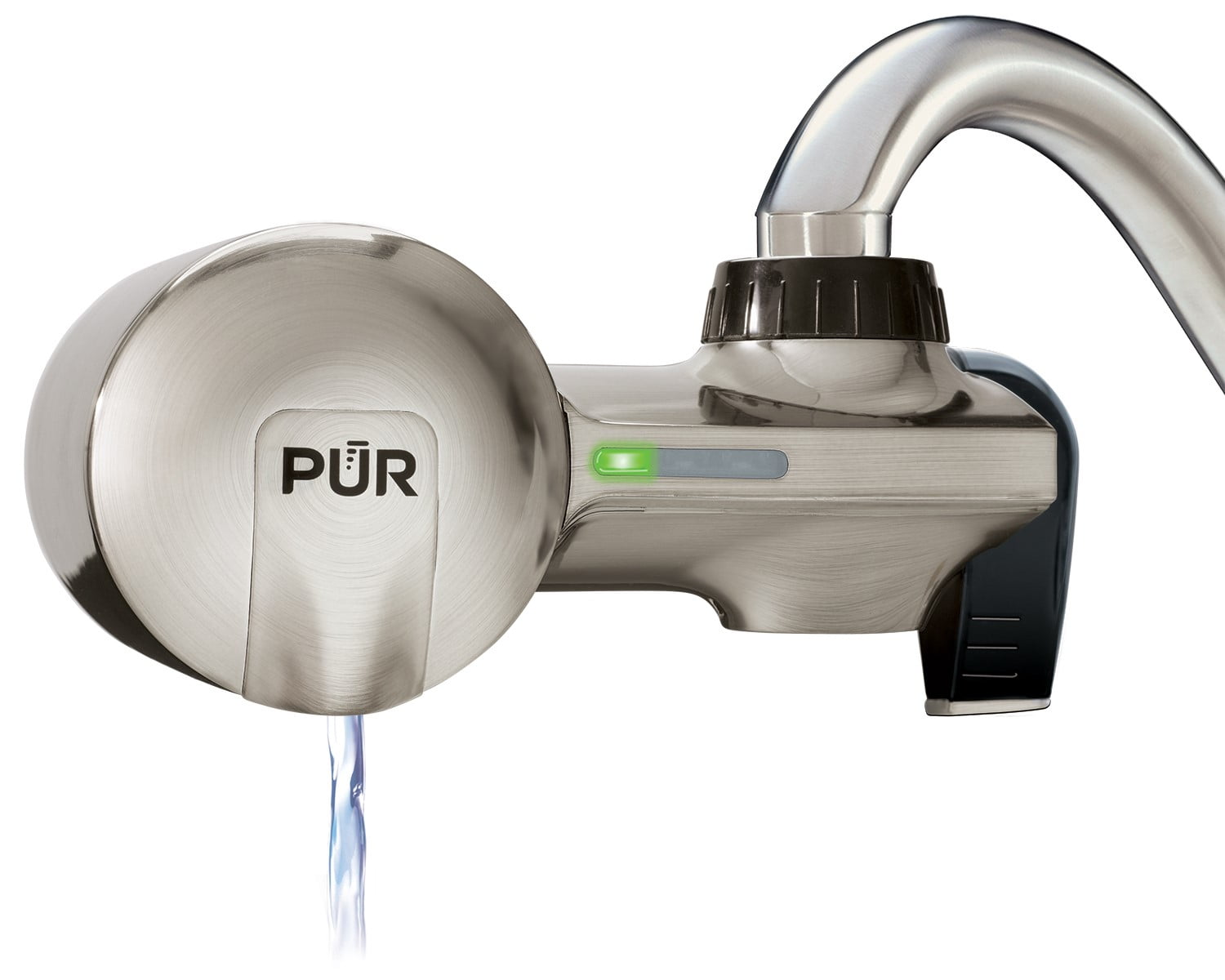
Let’s be real for a second: tap water has had a rough PR campaign. Between the murky reports on lead, chlorine, and microplastics, your kitchen faucet can feel less like a utility and more like a mystery box. Enter the stainless steel water filtration faucet—the quiet minimalist that’s here to save your hydration game. It’s not just a gadget; it’s a lifestyle upgrade that whispers “I have my life together” without trying too hard.
The Anatomy of a Durable Sidekick
Stainless steel is the leather jacket of the kitchen world—tough, timeless, and gets better with age. Unlike plastic filtration systems that yellow or crack, a brushed stainless steel faucet resists corrosion, fingerprints, and even the indignity of a 5 a.m. coffee spill. It’s essentially the James Bond of fixtures: sleek under pressure, and never shows a smudge.
Fun fact: Stainless steel was accidentally discovered in 1913 by a Sheffield metallurgist trying to make a gun barrel. Instead of a weapon, he gave us a material that won’t rust in your sink. Thank him next time you fill your water bottle. And here’s the kicker: these faucets often contain up to 60% recycled steel, so your clean water habit is also a low-key flex for the planet.
Must Read
Filtering Out the Noise (And the Chlorine)
You might ask: why not just use a pitcher filter? Because a faucet-mounted system cuts the clutter. It’s like upgrading from a sketchpad to a digital drawing tablet—faster, cleaner, and way more satisfying. Most stainless steel models use an activated carbon filter that yanks 99% of lead, chlorine, and sediment from your water.
Imagine pouring a glass of water that tastes like a mountain spring, not a swimming pool. That’s the promise. And because the housing is metal, there’s zero risk of plastic leaching into your drinking water, which is a hidden win for both your health and your vibe. Pro tip: look for a model with a twist-off filter cartridge. It makes replacement a 10-second job, no tools required.
Cultural Cool: From Tokyo Apartments to Brooklyn Lofts
Walk into a high-design kitchen in Tokyo, and you’ll see a brushed steel filtration faucet next to a ceramic kettle. Head to a minimalist loft in Brooklyn, and it’s the same story. This isn’t a coincidence—stainless steel filtration faucets have become the global symbol of intentional living. They’re the Ron Swanson of kitchen gear: simple, reliable, and you can’t argue with the results.
A little trivia: the first countertop water filters appeared in the 1950s, but they were clunky plastic cubes. Today’s stainless models are a nod to the Japanese concept of wabi-sabi—finding beauty in simplicity and imperfection. The slight patina that develops over years of use isn’t a flaw; it’s a story. Every fingerprint is a reminder of a morning coffee or a late-night hydration run.
Practical Tips for the Water Wise
Before you install one, check your kitchen sink. Most standard faucets use a 55/64 inch threading, but always measure to avoid a sad return trip. Measure three times, install once, as the DIY gods say. If you’re renting, skip the permanent install and go for a countertop model; they click on in seconds and travel with you.
 Fossa RO Tap Kitchen Water Filter Faucet Stainless Steel 304 Body
Filter lifespan varies—usually about three to six months, or 100 gallons. Set a phone reminder now, or you’ll taste the difference when the water starts to smell like a forgotten gym towel. Also, rinse the aerator monthly. Mineral buildup is the arch-nemesis of water flow, and a quick soak in vinegar keeps your faucet humming like a luxury spa fountain.
The Quiet Luxury of Clean Water
There’s a ritual to it. You twist the handle, watch a stream of crystal-clear water arc into your glass, and for a moment, you’re not just hydrating—you’re participating in a tiny act of care. It’s the same feeling you get from folding fresh sheets or lighting a candle after a long day. These micro-rituals stack up into a life that feels more composed, more present.
Plus, you save money. Bottled water costs roughly $1.22 per gallon; filtered tap water costs pennies. Over a year, that’s hundreds of dollars back in your pocket. Use that cash for a nice bottle of wine or a new cookbook. Call it the filter-to-freedom pipeline.
One Last Satisfying Click
As you unscrew the filter cap for the first time, know that you’re joining a quiet rebellion against single-use plastics and flavorless tap. The stainless steel surface will gleam under your kitchen lights, reflecting a choice that’s equal parts practical and poetic. It’s not about being perfect. It’s about making one small decision that pays off in every sip, every day.
So go ahead. Fill that glass, take a long drink, and let the cool, clean water remind you that the simplest fixes often carry the most weight. The future of hydration is brushed, reflective, and waiting right at your sink. Cheers to that.
