Plumbing For Water Softener Installation

Have you ever felt that post-shower film on your skin, or noticed your coffee maker looking like a tiny, forgotten limestone cave? That, my friend, is the calling card of hard...
Have you ever felt that post-shower film on your skin, or noticed your coffee maker looking like a tiny, forgotten limestone cave? That, my friend, is the calling card of hard water. It’s the mineral-rich runoff that makes soap less bubbly and appliances work twice as hard. Before you know it, you’re not just living with hard water; you’re in a very scaly relationship with it.
Enter the water softener, the quiet hero of modern plumbing. It’s not just a gadget for suburban grandparents; it’s a lifestyle upgrade that turns your tap water into liquid velvet. But here’s the kicker: buying the softener is the fun part. Getting the plumbing for water softener installation right is where the real magic—and potential frustration—lives.
The Great Water Heist: Understanding the Setup
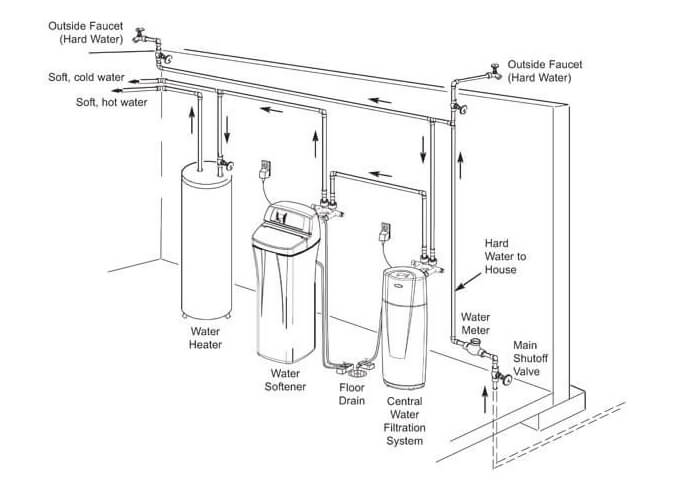
Think of your home’s water line like a busy interstate. Your water softener needs to hijack that flow before it reaches your water heater and indoor faucets. This means you’ll need a dedicated bypass valve, a drain line for the brine discharge, and a clever connection to the main supply.
Must Read
It’s not a job for the faint of heart or the novice with a pipe wrench from a dollar store. Professional plumbers treat this like a strategic tango: they know exactly where to cut, what to solder, and how to avoid flooding your basement with a surprise indoor pool party.
Fun fact: The first water softener was patented in 1903 by a man named Emmett Culligan. He later started a company that still dominates the market. Imagine naming an entire industry after yourself—talk about a legacy built on softer foundations.
The Big Three: What Plumbers Actually Do
Your plumber will first install a main shut-off valve right next to the meter. This is your home’s emergency brake. Without it, you’re driving on a slippery road with no brakes. Then comes the bypass loop—a clever cluster of valves that lets you isolate the softener for maintenance without cutting water to your whole house.
Next is the drain line. This little pipe carries away the salty discharge from the regeneration cycle. It must be installed with an air gap, like a medieval moat, to prevent dirty water from siphoning back into your drinking supply. No one wants a sip of brine.
Finally, there’s the brine tank connection. This tube runs from a salt storage tank to the resin tank where the softening actually happens. It’s a simple but critical link—like the fuel line in a car, but much less likely to cause a fiery explosion.
The Cultural Divide: Salt vs. Salt-Free
You might be tempted by the siren song of “salt-free” water conditioners. Spoiler alert: they don’t actually soften water; they chelate minerals to prevent scale. It’s like putting a raincoat on a statue instead of moving it indoors. Traditional salt-based softeners are the tried-and-true method that removes calcium and magnesium.
This choice affects your plumbing installation significantly. A salt-based system needs a dedicated drain and a floor drain nearby. A salt-free system is simpler, often just a cartridge you swap out. Think of it as choosing between a full kitchen renovation and just buying a nicer toaster.
Cultural reference: In parts of the southwestern U.S., hard water is so aggressive that locals call it “liquid rock.” Installing a softener there is like putting up a medieval fortress—it’s not optional; it’s survival. Meanwhile, in New York City, the water is famously soft, and locals treat softener salespeople like suspicious out-of-towners.
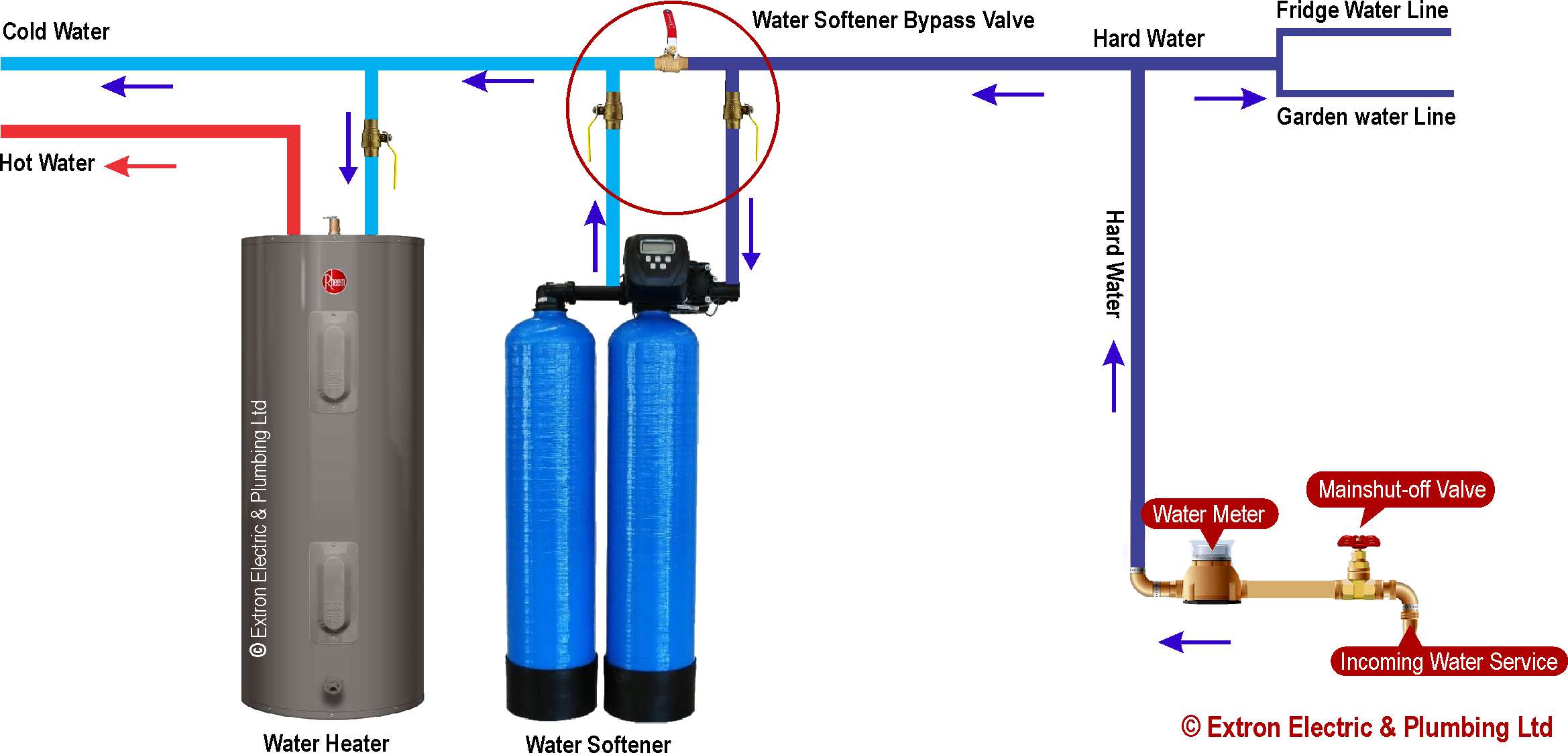 Water Softener installation – Electric | Plumbing
Practical Tips for the Plumbing Rodeo
Tip one: Measure your water pressure before installation. Anything below 40 psi is like trying to drink a milkshake through a coffee stirrer—frustrating and slow. A plumber can install a pressure booster if needed. Tip two: Never place a softener directly on a concrete floor that gets damp. Rust is a silent marriage killer for appliances.
Tip three: Buy a softener that’s one size larger than your household needs. If you have a family of four, get the model meant for six. It regenerates less often, saving salt and water. It’s like buying a bigger suitcase for a weekend trip—you’ll thank yourself later.
Fun fact: Most modern softeners use a digital timer instead of a mechanical one. The timer knows your water usage patterns better than you do. It’s basically a tiny, salty butler that waits until 2 AM to do its noisy regeneration chore.
The Unexpected Joy of Soft Water
Once the plumbing is in and the system is purged, you’ll notice a shift. Your shower gel will suddenly lather into a frothy cloud. Your dishes will dry without those ghostly white spots. Your skin will stop feeling like parchment after a hot shower.
Even your plumbing fixtures will thank you. The mineral buildup that once choked your faucet aerators will vanish. It’s like your house has gone to a spa and come back glowing. The installation is a one-time headache that yields years of daily satisfaction.
Cultural reference: Remember the movie The Big Lebowski? The Dude’s rug really tied the room together. Well, soft water really ties the household together. It makes everything—from laundry to dishwashing—feel a little more effortless. It’s the plumbing equivalent of a good rug.
Connecting to Daily Life
Water is the most taken-for-granted luxury in modern life. We turn a knob and expect magic. But the truth is, that magic depends on hundreds of feet of pipe, strategic valves, and the trained hand of a plumber who knows where to cut. The plumbing for water softener installation is not just about pipes; it’s about creating a baseline of comfort.
I remember the first time I washed my hair with softened water. It felt like silk had been woven into the strands. My partner noticed before I could say a word: “Did you condition twice?” No, I just installed a softener. That’s the kind of lifestyle upgrade worth investing in.
So, when you finally commit to that softener installation, remember: it’s not just a home improvement project. It’s an intimate conversation between your home’s plumbing and your daily rituals. Let a pro handle the hard parts, and then enjoy the ride. Your skin, your appliances, and your morning tea will all send you a thank-you note.
