Whole Home Water Filtration And Softener

So, picture this: it’s a Saturday morning—your one day to sleep in—and you shuffle to the kitchen for that first glorious gulp of tap water. You fill a glass, take a sip, and…...
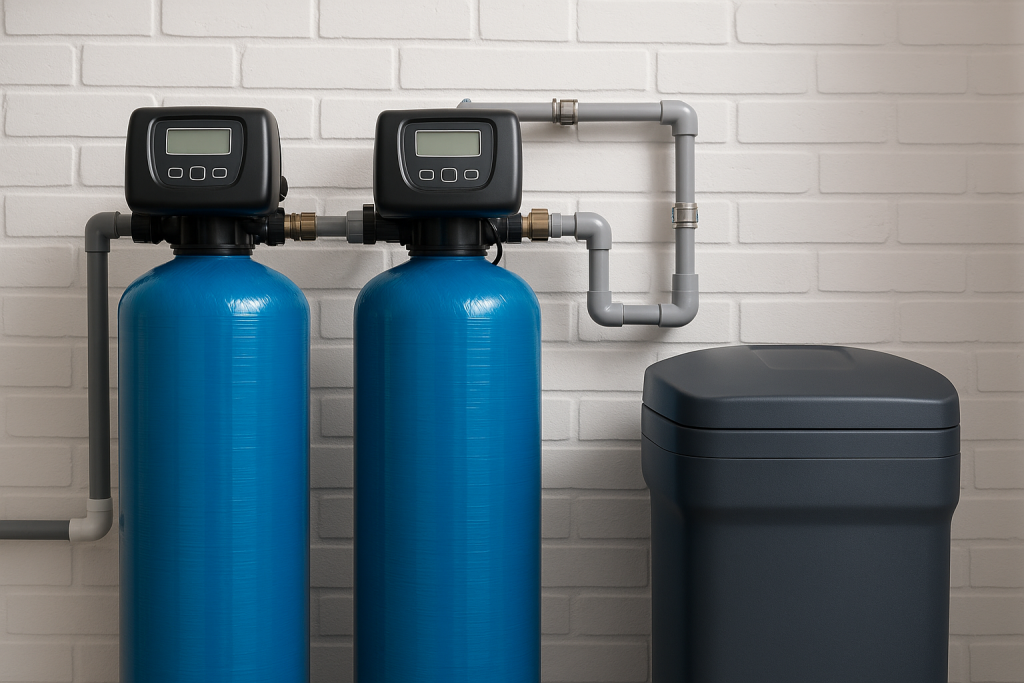
So, picture this: it’s a Saturday morning—your one day to sleep in—and you shuffle to the kitchen for that first glorious gulp of tap water. You fill a glass, take a sip, and… whoa. It tastes like a swimming pool had a baby with a rusty pipe. You spit it out, sigh, and grab a bottle of store-bought water instead. Sound familiar? And I haven’t even mentioned the white, chalky crust on your faucets that looks like a science experiment gone wrong.
That’s exactly where my water nightmare started, and it’s probably where yours did, too—standing there, staring at a glass of hard, funky water and wondering if your home is secretly punishing you. But here’s the thing: you don’t have to live with it. Not even a little bit. That’s where a whole home water filtration and softener system struts in like the caped crusader of plumbing.
Let’s get real about the problem first. Hard water isn’t just annoying—it’s expensive. Those crusty mineral deposits? They’re calcium and magnesium silently destroying your water heater, dishwasher, and washing machine. Your appliances are crying, and you don’t even hear them because you’re too busy scrubbing soap scum off your shower door. Ironic, right? You spend money on soft skin products, but hard water literally blocks them from working.
Must Read
What’s the difference between filtration and softening?
Okay, let’s untangle this—because I mixed them up for years, and I bet you have too. A water softener is all about the minerals: it swaps calcium and magnesium for sodium or potassium through a process called ion exchange. Think of it as a bouncer that kicks out the bad guys (scale) and lets in the friendly ones. Your soap will actually lather, your hair won’t feel like straw, and goodbye to those creepy white rings in your toilet bowl.
But a whole home water filter? That’s a different beast. It removes the stuff that makes water taste or smell weird: chlorine (hello, swimming pool vibe), sediment, lead, pesticides, and sometimes even bacteria. It’s like giving your entire house a Brita filter—every tap, every shower, every ice cube. Yes, even the refrigerator dispenser gets an upgrade. You want the best of both worlds? You get a combo system.
Why go whole-home? Isn’t a pitcher enough?
Oh, I hear you: “I’ll just use a pitcher filter and a showerhead filter. Cheap and easy, right?” That’s what I told myself for two years—until I realized I was basically putting a Band-Aid on a broken leg. A pitcher filter is cute and affordable, but it does nothing for your shower, your washing machine, or your boiler. Your skin and hair are still getting slammed by hard water every single day. And that showerhead filter? It helps a little, but it can’t stop the scale from building up inside your pipes.
A whole home system fights the war on every front. It installs right where your main water line enters the house, so every drop that runs through your plumbing is treated. That means one solution, one installation, and total peace of mind. You’ll never dodge a glass of tap water again—and your plumbing will thank you by lasting decades longer. Plus, you’ll save money on bottled water and appliance repairs.
The dirty secret about installation
Spoiler alert: you don’t need a degree in plumbing to get this done, but you probably shouldn’t DIY it like I did. My first attempt involved a wrench, YouTube, and a minor flood that nearly gave my cat a heart attack. Don’t be me. Most companies offer professional installation that takes a few hours, and it’s 100% worth the money to avoid waking up to a basement lake.
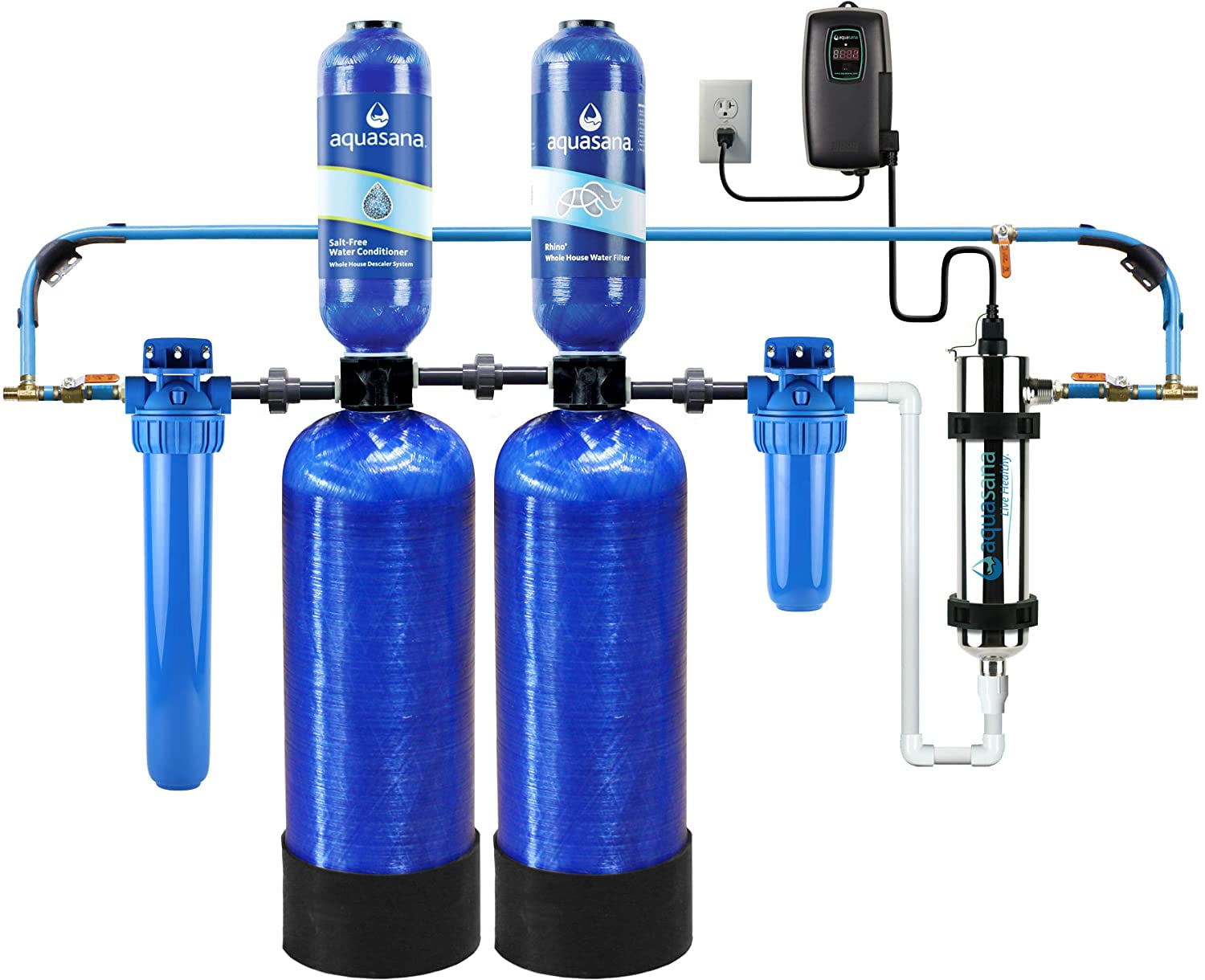 Buy Aquasana Whole House Well Water Filter System - Water Softener
Also, here’s a side comment you’ll thank me for: check your water hardness level first. You can buy a cheap test strip online or ask your local water utility for a report. This tells you exactly how aggressive the system needs to be. If your water is only mildly hard, you might get away with a smaller softener. Don’t overspend on a monster unit you don’t need—your wallet will love you.
But isn’t the salt bad for me?
I knew you’d ask this—because I asked it too. Traditional softeners add a tiny amount of sodium to the water, but it’s minimal. Most people get more sodium from a slice of bread than from a glass of softened water. If you’re on a strict low-sodium diet, you can use potassium chloride instead of sodium chloride. Or you can install a separate reverse osmosis system under your kitchen sink for drinking water—that strips out the added sodium and delivers pure, crisp H2O.
The bottom line? You get to have your pure water and drink it too. No compromises. Plus, think about the side benefits: clean dishes that don’t spot, softer laundry that actually feels fluffy, and a shower that feels like you’re washing in a mountain stream. Your morning routine transforms from a chore to a little luxury—and that’s a serious win for a Tuesday.
Is it worth the cost?
Let’s talk money, because I know it’s on your mind. A decent whole home system plus installation runs anywhere from $1,500 to $4,000—yeah, it’s not pocket change. But think about this: that’s about the same as a new washing machine and water heater combined, which you’ll need to replace sooner without a softener. And that’s not even counting the annual expense of bottled water, soap, and cleaning products to fight scale. Math doesn’t lie.
I did the calculator myself: I was spending about $200 a year on bottled water, plus hundreds on appliance repairs and extra detergent. Over five years, that’s $2,000+ down the drain—literally—without a system. My whole home filter and softener costs me about $50 a year in salt and filters, and my appliances have been running smoothly for seven years. That’s a return on investment that even your accountant would high-five.
So here’s my final pitch: stop sipping sadness from a pitcher. Treat your whole house to the upgrade it’s begging for. Your water will taste like liquid gold, your shower will feel like a spa, and your plumbing will finally stop plotting revenge. Go ahead—your faucets have earned it.
