Water Treatment Systems For Iron Removal

You’re sipping your morning coffee, expecting that bright, crisp taste, and instead you get a metallic punch that tastes like you’re licking a rusty fence. Sound familiar? Tha...
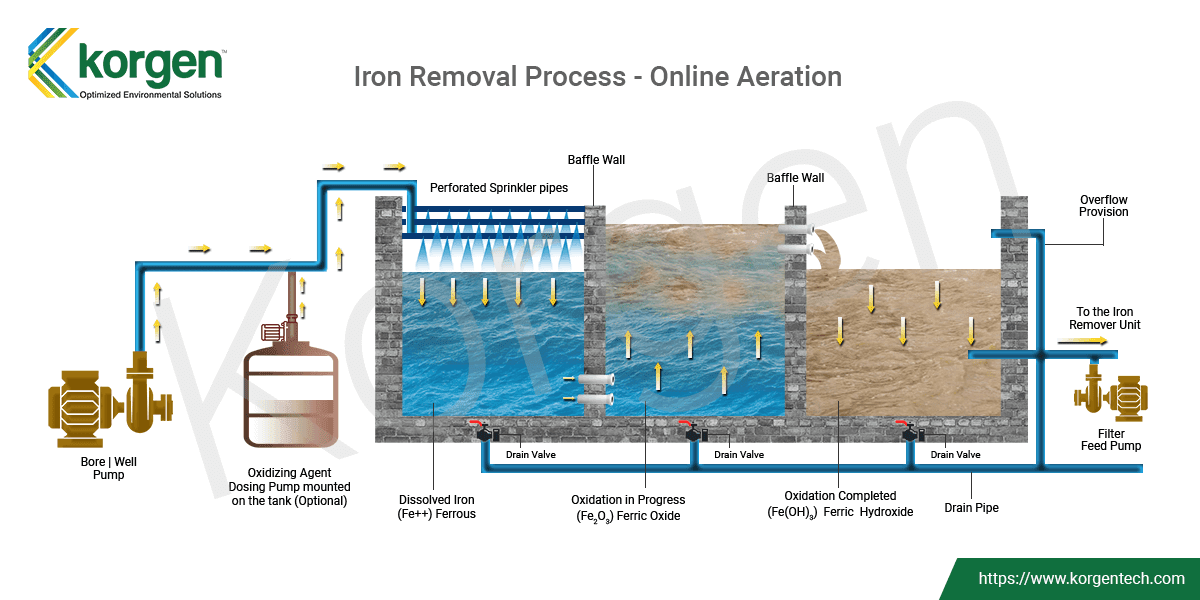
You’re sipping your morning coffee, expecting that bright, crisp taste, and instead you get a metallic punch that tastes like you’re licking a rusty fence. Sound familiar? That’s the calling card of iron in your water, a common but deeply annoying intruder that turns laundry orange and leaves sink rings that look like abstract art.
The Red Menace in Your Glass
Iron is the fourth most abundant element on earth, so it’s no surprise it sneaks into groundwater like an uninvited guest at a picnic. When it hits oxygen, it oxidizes, turning your clear water into that telltale reddish-brown brew. We’re not talking about a health crisis here—iron is actually essential for your blood—but for your plumbing and your sanity? It’s a total buzzkill.
Beyond the taste, iron plays dirty with your fixtures. It stains toilets, bathtubs, and that beautiful white sink you picked out so carefully. It also hosts “iron bacteria,” a slimy brown sludge that loves hanging out in pipes, making your water smell like wet earth after a storm.
Must Read
The Three Musketeers of Iron Removal
Before you panic and start boiling everything, know this: the fix is simpler than a TikTok recipe. There are three primary systems, and your choice depends on whether your iron behaves like a sneaky guest or a full-on party crasher. First up is the oxidation filter, the gentle giant of water treatment.
These systems use something like manganese greensand or a catalytic media to essentially “shock” the iron into a solid form, then trap it. It’s like a high-five that turns into a handcuff. Perfect for moderate iron levels, up to about 10 parts per million. No chemicals, just physics and some clever geology.
Then you have the water softener, your classic workhorse. Most people think softeners are just for hard water, but they’re actually phenomenal at handling “clear water” iron—the invisible kind. The resin beads inside grab the iron ions just like they do with calcium and magnesium, flushing them away during the regeneration cycle. It’s a two-for-one deal that keeps your glassware spotless.
Finally, for the heavy hitters—think industrial-strength rust—you look at chemical injection systems. These inject chlorine or hydrogen peroxide directly into your water line, aggressively oxidizing the iron in seconds. It’s the nuclear option, but when you have well water that looks like iced tea, you need it. Just be ready for a bit of maintenance and a whiff of pool vibes.
A Quick Test: The Glass Jar Trick
Before spending a dime, do the “fill and stare” test. Grab a clear glass, fill it from the tap, and hold it up to the light. If the water is clear but turns red after sitting overnight, you have ferrous iron—the soluble kind that softeners love. If it comes out of the tap already looking like a sunset, that’s ferric iron, and you need a filter upfront.
Here’s a fun fact: That rusty water might ruin your laundry, but it’s actually a treat for your garden. Iron-loving plants like azaleas and blueberries will perk right up if you let that reddish runoff water their roots. It’s the circle of life, just with more plumbing.
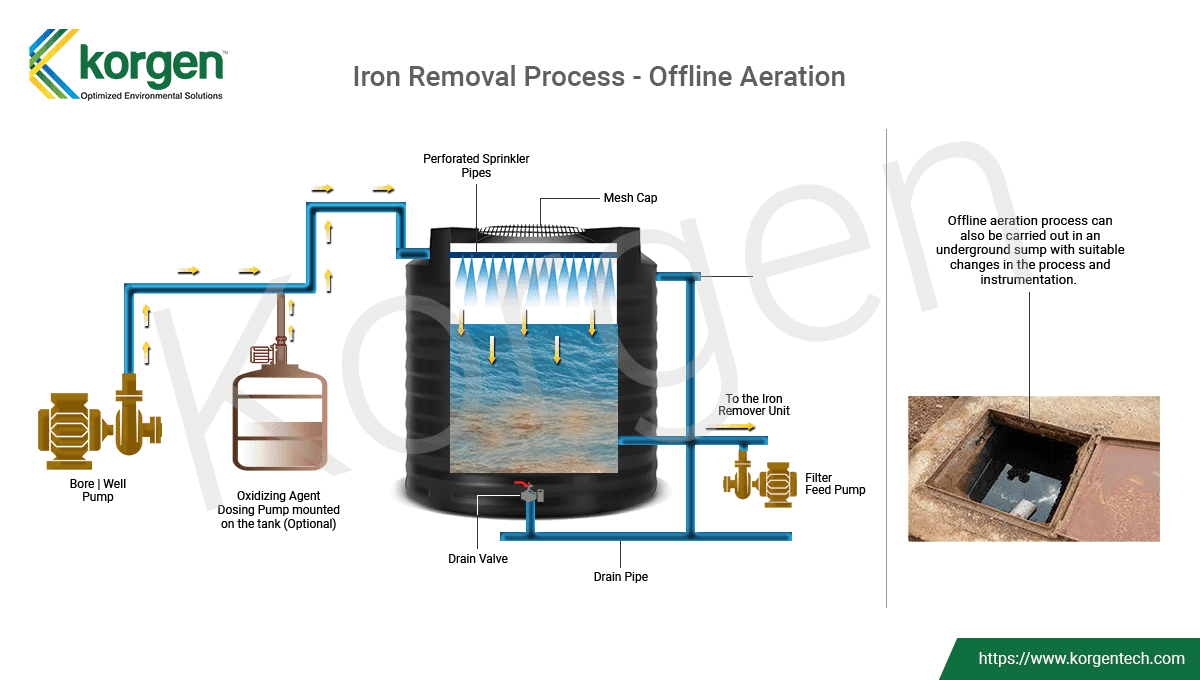 Iron Removal Plants | Iron Removal Filters | Korgen
The Cultural Context of Clear Water
We’ve become romance novelists about our water—demanding it be crystal clear, tasteless, and odorless. But walk through history, and you’ll see how locals adapted. The “iron brew” waters of Scotland, naturally high in iron, were once sold as health tonics. In parts of rural France, they use oak barrels to age water and settle out the iron, turning a defect into a tradition. You don’t need a barrel—just a good mechanical filter.
Think about the rise of craft coffee and specialty tea. If your water is metallic, you’re ruining a $3 pour-over before it even hits the mug. The Specialty Coffee Association actually recommends iron levels below 0.1 parts per million for ideal extraction. Your taste buds are that demanding.
Practical Tips for the Modern Home
Don’t buy a system for your whole house until you test your specific iron load. You can get a simple test kit for twenty bucks online, or send a sample to a lab for a complete breakdown. Remember: high manganese often tags along with iron, turning your water black instead of red. That’s a whole different beast requiring specific media.
Maintenance is not optional, folks. A neglected iron filter breeds bacteria faster than a forgotten sponge. Change your sediment pre-filters every three months, and backwash your oxidation filter on schedule. It’s like flossing—boring, but it prevents a root canal of a repair bill.
One last trick: if your iron is under 2 ppm and you just can’t deal with a full system, a point-of-use reverse osmosis unit under your kitchen sink works beautifully. It’s the espresso machine of water filters—overkill for some, essential for connoisseurs. You’ll drink more water, and that alone is a win.
So here’s the reflection: your water isn’t just a utility; it’s the baseline of your morning ritual. The difference between a rusty start and a crisp, clean glass is a decision grounded in science and a little patience. Treat your water with the respect you give your coffee beans, and your skin, your laundry, and your taste buds will thank you. Turns out, removing iron isn’t about fighting nature—it’s about letting the best version of your water flow through.
