Is Distilled Water The Same As Deionised

So, you’re staring at a shelf of water bottles, or maybe you’re deep in a lab (or a very serious coffee addiction), and you see it: distilled water on one side, deionised wate...
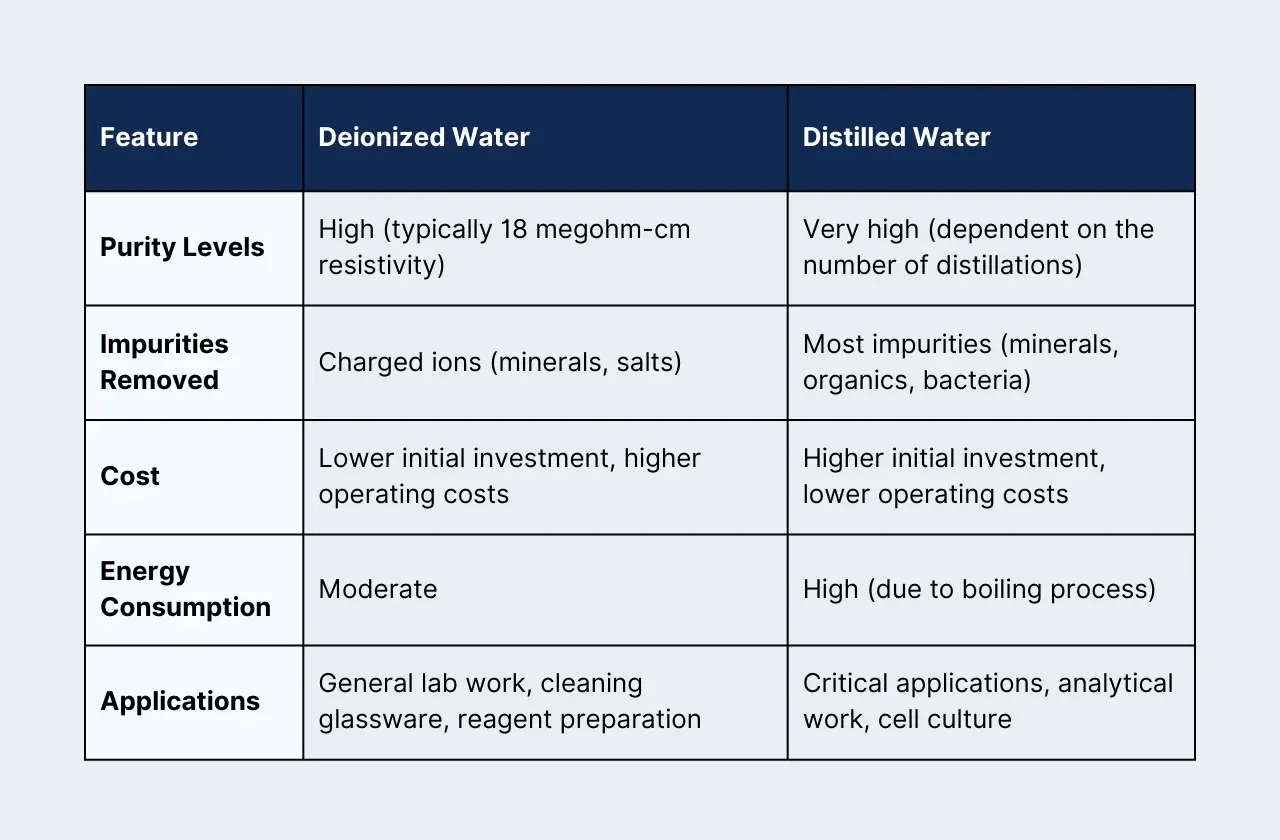
So, you’re staring at a shelf of water bottles, or maybe you’re deep in a lab (or a very serious coffee addiction), and you see it: distilled water on one side, deionised water on the other. And your brain goes, “Aren’t they… the same thing?” I totally get it. They look identical, they taste like nothing, and they both seem to have had their personalities surgically removed. But hold your hydration station, because no, they are not the same.
Let’s get coffee first. Pretend we’re at a cozy café with bad lighting. You order a black coffee, I buy a bagel. The point is, we’re going to chat about water in a way that doesn’t feel like a chemistry pop quiz. The short answer? Distilled water gets its clean freak on by boiling and condensing. Deionised water uses a magnet-like trick to grab charged particles. They both end up super pure, but they take different paths to get there.
The Boil-and-Catch Game (Distilled Water)
Think of distillation as water’s dramatic escape act. You heat it up until it turns into steam—that’s water’s way of saying, “Peace out, minerals!”. The steam rises, leaves all the salts, metals, and weird stuff behind in the pot, and then condenses back into liquid gold. It’s like making moonshine, but without the hangover or the banjos.
Must Read
This method is old-school. Your grandma probably used distilled water in her iron to stop it from spitting chalky gunk. It kills bacteria and viruses because, well, boiling water does that. Plus, it removes most contaminants—but it’s not perfect. Some volatile chemicals (like certain pesticides or alcohols) can vaporize right along with the water and sneak into the final product. Sneaky, right?
So, distilled water is pure, but it’s the “I’ve been through a sauna and come out clean” kind of pure. It’s great for car batteries, steam irons, and keeping your fish tank from turning into a science experiment. But it takes energy—a lot of it—to boil all that water. Your electric bill will weep.
The Electric Slide (Deionised Water)
Now, deionisation is the cool, modern cousin. Instead of heat, it uses magic—well, actually, it uses ion-exchange resins. These are like tiny, high-tech sponges that have a massive crush on charged particles. They grab the calcium, magnesium, sodium, and all those other “ions” that make water “hard” or conductive. The water passes through, and the ions get swapped for hydrogen and hydroxide, which just combine to make—you guessed it—more water.
This process is fast and doesn’t need a furnace. You can deionise water in seconds. It strips away almost all dissolved salts and minerals, leaving water that’s so pure it’s practically a blank slate. In fact, deionised water can be even purer than distilled water in terms of ionic content. That’s why labs, pharmaceutical companies, and super-nerdy aquarium enthusiasts love it.
But here’s the twist: deionisation doesn’t remove bacteria or viruses. It only grabs charged particles. If you pour dirty pond water into a deioniser, you’ll get clean-ish water with a side of microorganisms having a pool party. Yikes. You usually need to pair it with other filters or UV light to make it safe to drink. Fun fact: most “purified” bottled water is actually deionised or reverse-osmosis treated, then re-mineralized for taste. Because pure water tastes like a sad, empty void.
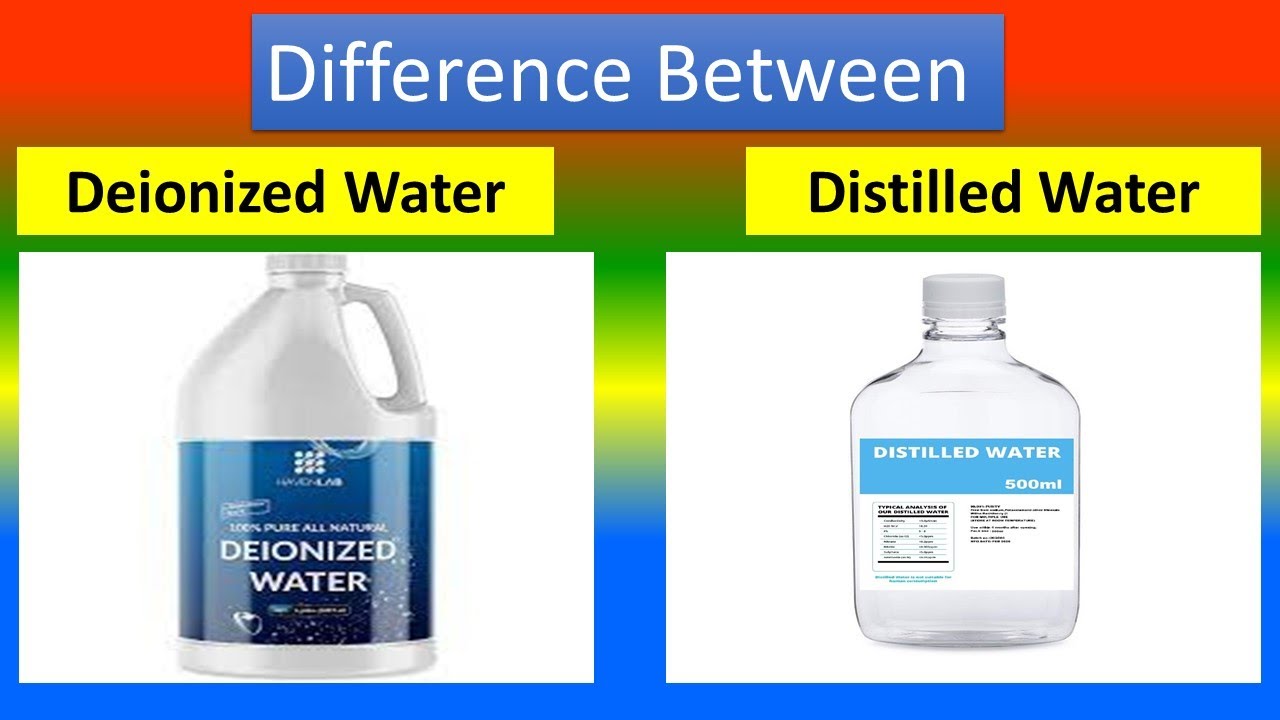 Chemical Makeup Of Distilled Water - Mugeek Vidalondon
The Big Comparison (Let’s Get Real)
So, which one should you use? Distilled water is your go-to for tasks where you really don’t want anything to grow—like in medical sterilizers or CPAP machines. It’s also the safest if you’re worried about weird volatile chemicals. But it’s slow and expensive to make at home (please don’t try to distill tap water in your kettle; you’ll just get steamed curtains).
Deionised water is the champion for things that involve electricity or chemistry. It’s used to rinse silicon chips, mix car coolant, and fill car batteries. It doesn’t leave water spots because there are no minerals to deposit. But drinking it long-term? Eh, your body actually needs some of those minerals. Plus, deionised water can be aggressive—it’s so pure it will leach metals from pipes or your stomach lining. Not cute.
Here’s a little secret: if you buy “distilled water” at the grocery store, it might actually be deionised. Check the label. Some brands just call it “purified” because it sounds fancy. The truth is, for 99% of daily life—like filling a humidifier or making bubble-free ice cubes—they’re basically interchangeable. The difference only matters if you’re doing something super specific, like calibrating lab equipment or pretending you’re in Breaking Bad.
So, Are They the Same? (Drumroll, please)
No. They are not identical twins; they’re more like first cousins who went to different schools. Distilled water is the one who took a long, hot bath. Deionised is the one who went to a fancy spa and got a mineral peel. Both end up clean, but they have different strengths and weaknesses. Distilled wins on microbe removal, deionised wins on ion removal. Together, they could defeat any water-based villain.
But don’t overthink it. Unless you’re a chemist or a coffee snob with a death wish for your espresso machine, just grab whichever is cheap and available. Bottoms up! (But maybe add a pinch of salt for taste, because pure water is unbearably boring.)
