Rainwater Collection System For Drinking

You’ve probably stood by a window during a downpour, watching the sky unleash its liquid generosity on your lawn, your driveway, the roof—and thought: What a waste. You’re not...
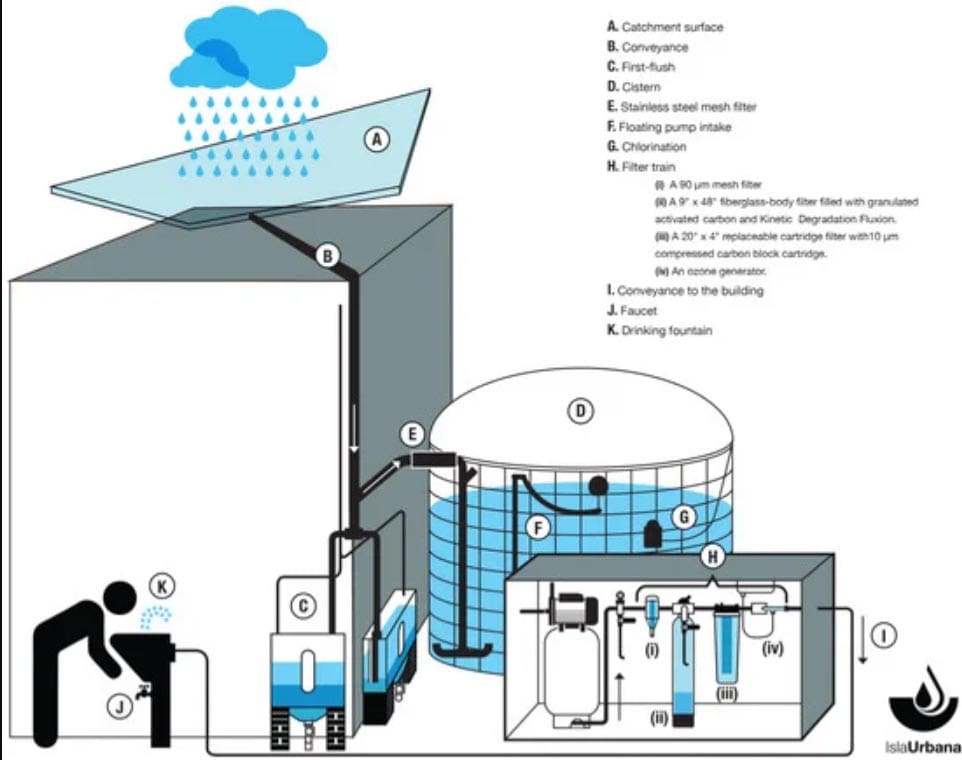
You’ve probably stood by a window during a downpour, watching the sky unleash its liquid generosity on your lawn, your driveway, the roof—and thought: What a waste. You’re not wrong. Every square foot of roof can collect about half a gallon of water per inch of rain. That’s free hydration, mineral-rich and untreated, falling straight from the heavens. And yes, you can drink it.
The Ancient Art of Sky-Sipping
Humans have been catching rain for drinking since the dawn of clay pots. The ancient Romans collected it on their villa rooftops, and the Japanese have a centuries-old tradition of amado (rainwater jars) used for tea ceremonies and daily sipping. In Bermuda, it’s still the law: every new house must have a rainwater collection system. You’re not a hippie pioneer—you’re joining a very old, very practical club. The cool part? Modern technology has turned this ancient hack into something sleek, safe, and satisfyingly self-sufficient.
How It Works (The Fun Part)
Picture this: rain hits your roof, runs through gutters, and—instead of splashing into a muddy puddle—flows into a pipe. That pipe leads to a first-flush diverter, a clever little device that sends the first few gallons (the dirty stuff carrying bird droppings and leaf bits) away. Then the clean water enters a storage tank, often hidden underground or disguised as a garden bench. From there, a simple pump and a filter set (think sediment, carbon, and a UV light) turn that sky juice into tap-ready drinking water. It’s essentially a water treatment plant the size of a mini-fridge.
Must Read
Fun Fact: One inch of rain on a 1,000-square-foot roof yields about 600 gallons of water.
That’s enough to keep a person drinking for nearly six years—or to run your dishwasher every day for two months. Scale matters, but so does mindset: you’re not building a reservoir for a village; you’re creating a personal water source that feels like a secret superpower.
Is It Safe? The Honest Answer
Let’s address the elephant in the roof gutter: won’t I get sick? The short answer is no—if your system is designed for potability. The key is filtration and maintenance. A good multi-stage filter removes bacteria, protozoa, heavy metals, and even microplastics. Ultraviolet sterilization zaps the remaining nasties. But here’s the truth: rainwater itself is naturally soft and low in minerals. If you collect it from a clean roof (no asphalt shingles, no moss killer) and filter it well, it’s often cleaner than municipal tap water, which can contain chlorine, fluoride, and lead pipes’ legacy.
Cultural weirdness alert: In many places, people drink rainwater without any filter—just from a clean metal roof. I’m not recommending that (asteroid dust is real), but it’s a testament to how pure rain can be. The trick is to treat your roof like a kitchen counter. Keep it clean, avoid toxic materials, and you’ll be fine.
Practical Tips for Beginners
Start small. You don’t need a 5,000-gallon cistern to experiment. Install a 50-gallon rain barrel from your downspout, add a basic sediment filter and a camping-style UV pen, and you’ve got a test kitchen for sky water. Taste it: you’ll notice it’s lighter than tap water, almost sweet, with no chlorine aftertaste. It’s like drinking the air after a storm—because you are.
Next, research local regulations. Some states (like Colorado) have complex water rights that restrict rainwater harvesting. Others (like Hawaii and California) actively encourage it with rebates. Call your county extension office—they love talking about rainwater and usually have free guides. Also: invest in a debris screen for your gutters. Cleaning pine needles from a tank is a Saturday you don’t want to lose.
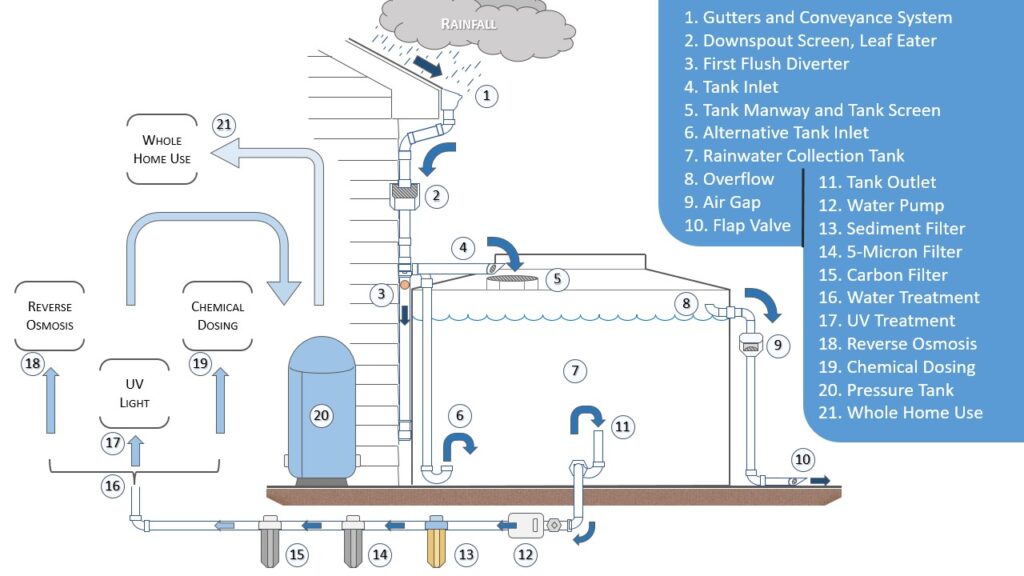 Rainwater Harvesting System Rain Water Collection Jalharvest Rain
Pro Tip: Use a stainless steel or food-grade plastic tank. Concrete tanks can leach lime and affect taste.
If you’re serious about drinking, hire a professional for the plumbing between the tank and your kitchen. A copper pipe with a lead-free solder or PEX tubing is the gold standard. And label everything—you don’t want someone accidentally washing dishes with tank water that hasn’t passed through the UV filter. Safety is a habit, not a one-time install.
The Hidden Cost and the Real Reward
A full drinking-water system (tank, filter, pump, diverter) can run you $1,500 to $4,000. That’s not pocket change, but compare it to buying bottled water for a family of four over ten years—about $6,000—and the math starts smiling. Plus, you’re reducing plastic waste and municipal water demand. You’re also building resilience. When a boil-water advisory hits your town, you’ll be sipping calmly from your own tap. That feeling is worth the investment.
And here’s the fun part: rainwater has a lower pH (about 5.6), which means it’s slightly acidic. Some people swear it makes better coffee and tea because it extracts flavors differently than hard tap water. Try a blind taste test—you might become a convert. It’s water that tastes like the sky.
Connecting to Daily Life
Every time you fill your glass from a rainwater system, you’re not just drinking—you’re participating in a cycle. The rain that fell on your roof last week was once in a cloud that drifted over a forest, a lake, maybe the ocean. You’re drinking the planet’s memory. That awareness changes how you experience a glass of water on a Tuesday morning. It becomes a quiet ritual: you listen to the faucet, you remember the storm, you feel the quiet pride of turning a weather event into a daily necessity.
And honestly? In a world where everything feels complicated and controlled, catching your own drinking water is a small act of gentle rebellion. It’s you saying: I can take care of this one thing, simply and well. That’s a good feeling to carry into the rest of your day. So next time it rains, don’t just watch it—let it fill your glass.
