Chlorine Parts Per Million Drinking Water

Let’s talk about drinking water, shall we? I mean, really talk about it. Specifically, that tiny bit of chlorine floating around in your tap water. Yeah, chlorine—the same stu...
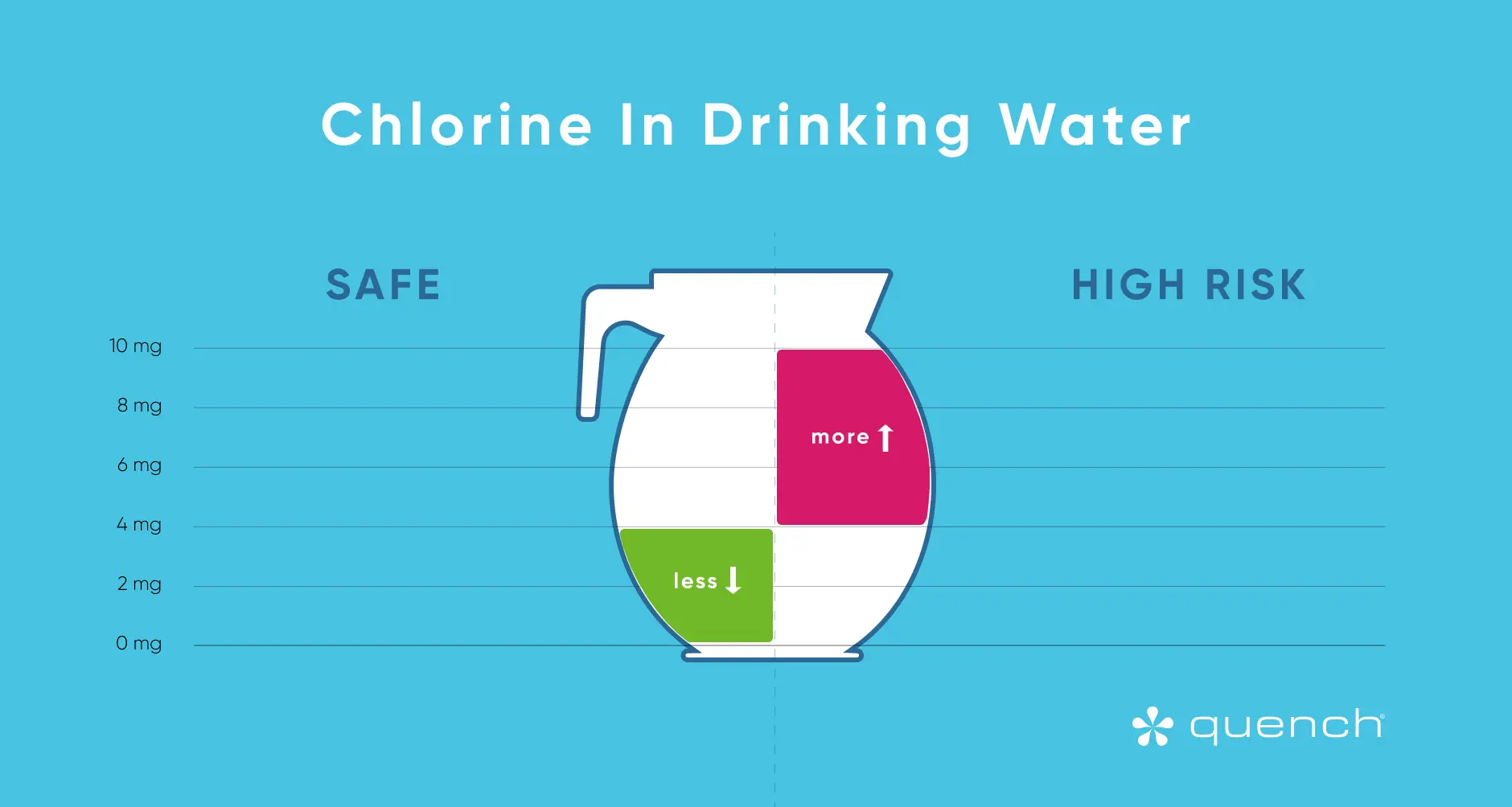
Let’s talk about drinking water, shall we? I mean, really talk about it. Specifically, that tiny bit of chlorine floating around in your tap water.
Yeah, chlorine—the same stuff that makes your eyes sting at the pool. It’s in your morning coffee, your late-night glass of H2O. Freaky, right?
But here’s the thing: parts per million (or PPM) is the name of the game. That’s the secret code for “how much chlorine is actually in there.” Spoiler: it’s a ridiculously small amount.
Must Read
Think of it like a pinch of salt in a swimming pool. You’d never taste it, never see it. But it’s doing a very important job.
Chlorine is the bouncer at the water club. It kicks out bacteria, viruses, and other nasty little party crashers. Without it, that clear water would be a breeding ground for gross stuff. No thanks.
So what’s the magic number for PPM in your tap water? The U.S. Environmental Protection Agency (EPA) says anything up to 4.0 milligrams per liter (which is basically 4 PPM) is safe. Most tap water hovers around 0.5 to 2.0 PPM. That’s it—barely a whisper of chlorine.
Imagine a single drop of food coloring in a bathtub full of water. That’s the kind of dilution we’re talking about. Your taste buds probably can’t even detect it—unless you’re a super-taster or your water supplier went rogue.
But wait, you might smell that “pool” odor sometimes. That’s not leftover chlorine, actually. It’s a byproduct called chloramine—chlorine mixing with ammonia. It smells stronger but still poses almost zero risk at those tiny levels.
Now, I can hear you asking: “Should I worry about long-term health effects?” Short answer: no, unless you’re chugging straight from a pool filter. Studies show that the amount in your tap water is well below anything that could cause harm.
In fact, the risk of not having chlorine is way higher. Remember cholera? Typhoid fever? Chlorine basically sent those diseases packing in the early 1900s. It’s one of the greatest public health wins ever, and we barely notice it.
But what about people who are sensitive? Some folks with skin conditions or asthma can be a little more reactive. If that’s you, a simple carbon filter (like a Brita) gets rid of most of the chlorine. Or just let your water sit in an open pitcher for an hour—chlorine evaporates like a ghost.
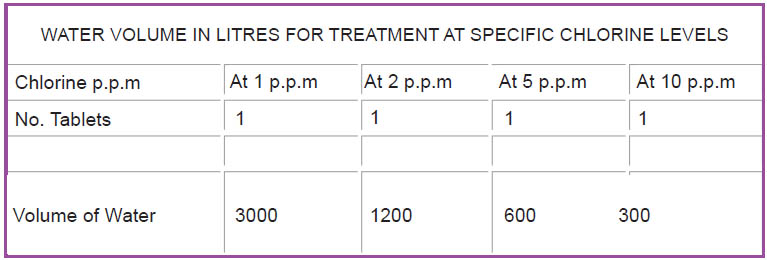 Potable/Drinking Water Chlorination Tablets
Bottled water drinkers, I see you. Guess what? Most bottled water also contains chlorine—just at similar or lower PPM levels. It’s not some magical mountain spring free of chemicals. Surprise!
Here’s a fun experiment. Fill two glasses with tap water. Put one in the fridge overnight, and drink the other right away. The next day, the chilled one will taste “fresher.” That’s because the chlorine evaporated. Your taste buds aren’t crazy—they’re just sensitive to that tiny PPM.
Still not convinced? Let’s exaggerate for comedy. If you drank an Olympic swimming pool’s worth of tap water in one day (please don’t), you’d still only consume about the chlorine in a single pool shock tablet. Your body handles it just fine.
Your liver and kidneys are amazing at filtering out tiny amounts of chemicals. They laugh at 1 PPM of chlorine. They deal with way worse stuff in your morning scrambled eggs. Trust your organs, people.
One last thing: if your water tastes super “chemically” or smells like a locker room, call your local water provider. That might be a sign of over-chlorination or a pipe issue. But typically, it’s just your nose being dramatic.
So here’s the bottom line. Chlorine in your drinking water is like the bouncer at a club—annoying if you’re a tiny germ, but totally harmless to you. At 0.5 to 4.0 PPM, it’s a microscopic hero we don’t even thank.
Go ahead, pour yourself a glass. Taste the nothing. Because that’s exactly what you’re tasting—almost zero chlorine. And that’s a beautiful, safe thing.
Now, cheers. And maybe leave the pool water for the cannonballs, okay?
