Can Dehydration Cause Nausea And Vomiting

Okay, picture this: it’s a scorching Saturday afternoon, and I’ve just spent two hours hiking under a relentless sun without touching my water bottle. Big mistake. By the time...
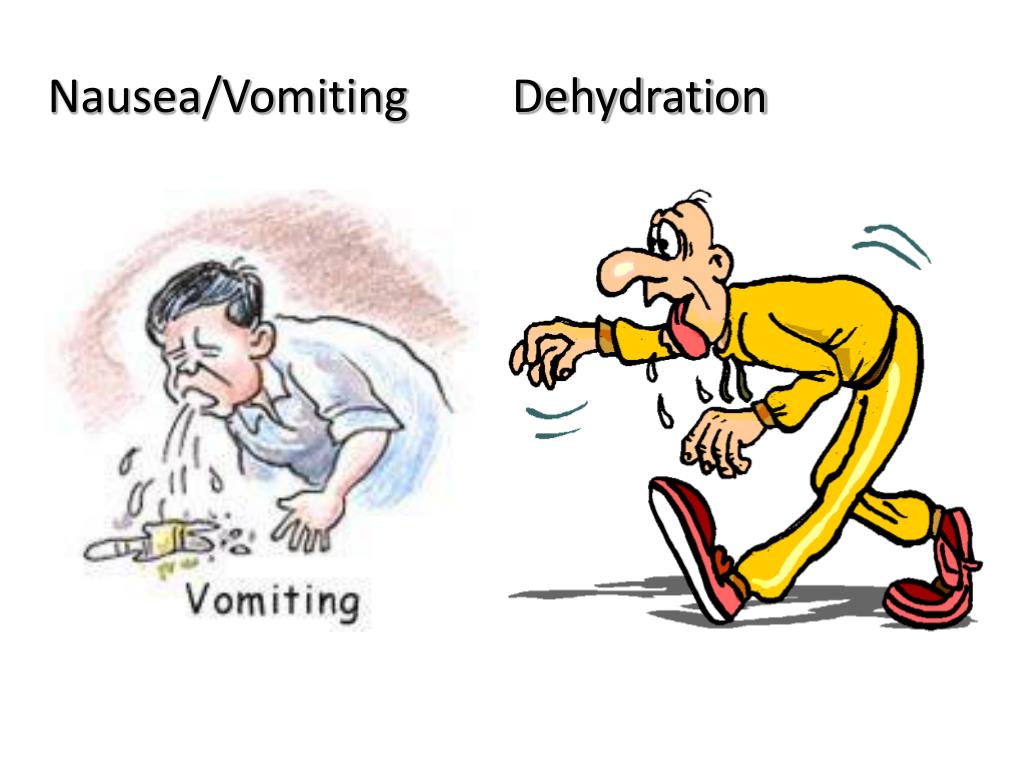
Okay, picture this: it’s a scorching Saturday afternoon, and I’ve just spent two hours hiking under a relentless sun without touching my water bottle. Big mistake. By the time I stumble into my kitchen, my head is pounding, my mouth feels like sandpaper, and suddenly—out of nowhere—my stomach does a queasy flip-flop. Ugh, here it comes. I barely make it to the bathroom before my body decides to evacuate everything. So, yeah, I learned the hard way: dehydration can absolutely make you nauseous and even vomit. (Pro tip: don’t be a hero—carry a water bottle.)
Your stomach is a drama queen when it’s thirsty
Here’s the deal: your body is about 60% water, and it really hates running low. When you’re dehydrated, your blood volume drops, which means less oxygen and nutrients travel to your organs—including your stomach. That poor stomach starts panicking, and its way of screaming for help is to make you feel sick. Nausea is basically your gut’s way of yelling, “Hey, I’m dying over here!” (Ever notice how a hangover—which is mostly dehydration—makes you want to puke? Same principle, just with a side of bad decisions.)
But wait, there’s more—your brain gets in on the drama too. Dehydration messes with your electrolyte balance, especially sodium and potassium, which are crucial for nerve signals and muscle function. When those levels go haywire, your brain triggers the vomiting center in the medulla oblongata. Yes, your brain literally has a “vomit button,” and dehydration loves to punch it. (Fun fact: that’s also why seasickness or migraines make you barf—different triggers, same brain region.) So, if you’ve ever felt nauseous after skipping a few glasses of water, it’s not all in your head—well, technically it is, but you get the point.
Must Read
Why some people puke faster than others
Not everyone reacts to dehydration with an immediate urge to hug the toilet. Some folks get away with just a mild headache or dry mouth, while others—like yours truly—seem to have a hair-trigger stomach. Your personal risk level depends on factors like your hydration baseline, how fast you lost fluids, and even your genetics. For example, if you’ve been sweating like a sinner in church during a workout, or if you’re dealing with a stomach bug that’s already draining you, dehydration hits you like a freight train. Kids and older adults? They’re especially vulnerable. Their bodies don’t regulate water as efficiently, so they’re more likely to experience nausea and vomiting from even mild dehydration.
And let’s talk about that nasty cycle: you feel nauseous, so you don’t drink—but not drinking makes the nausea worse, which might make you vomit, which dehydrates you even more. It’s a vicious, watery ouroboros. (It’s like your body decided to play a cruel joke on you, right?) The good news? Once you start sipping fluids—slowly, because chugging will just trigger more puking—your system usually calms down. Your stomach realizes, “Oh, okay, you’ve got the hose, we’re good,” and the nausea fades.
How to tell if your nausea is from thirst or something else
Here’s where your inner detective comes in. Dehydration nausea often comes with other signs: dark yellow urine, a dry mouth, dizziness, or a pounding headache. If you’re also thirsty (duh), and you’ve been sweating or not drinking enough, it’s a solid bet that H2O is your medicine. But if the nausea is paired with fever, severe abdominal pain, or if you can’t keep even tiny sips down for 12 hours, please—please—call a doctor. That could be a virus, food poisoning, or something more serious. Dehydration is common, but it’s not the only cause of vomiting; don’t assume it’s always the culprit. (Also, if you’re pregnant, morning sickness is a whole different beast—but staying hydrated still helps.)
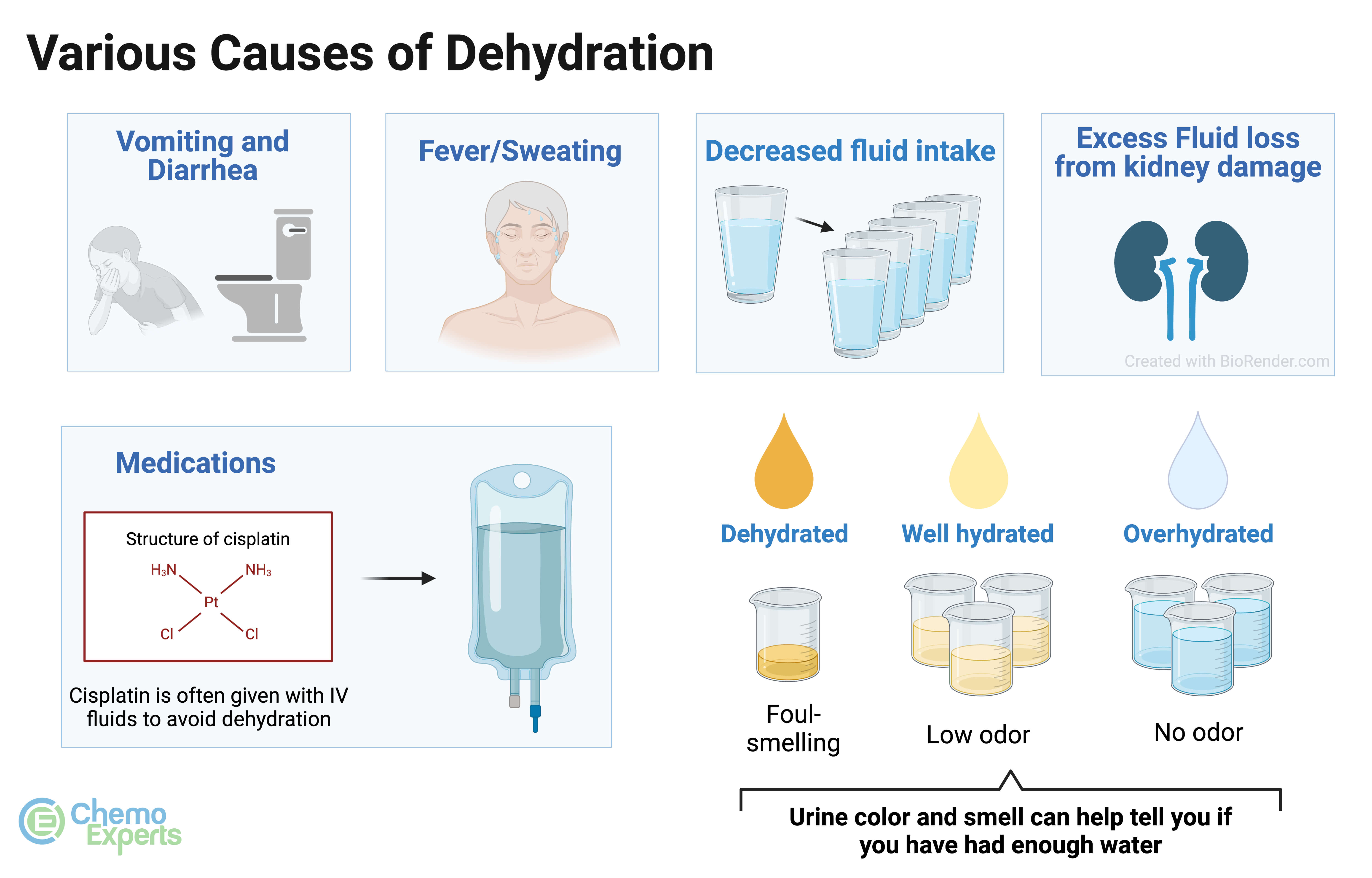 Dehydration | ChemoExperts
A quick trick: pinch the skin on the back of your hand. If it snaps back slowly, you’re likely dehydrated. Or try the “tent test”—pull up a bit of skin on your belly; if it stays tented for a second, your body is screaming for fluids. Your tissues literally cling together when they’re parched. (Gross, I know, but useful.) So, next time you feel that wave of queasiness and you’re not sure why, ask yourself, “Have I had any water in the last three hours?” Chances are, the answer is no, and your stomach is just throwing a tantrum. Pour yourself a glass—slow sips—and see if the world stops spinning.
The bottom line: your gut is a thirsty drama queen
So, can dehydration cause nausea and vomiting? Absolutely—yes, 100%, without a doubt. It’s not the most common trigger, but it’s one of the sneakiest, because by the time you feel queasy, you’re already behind on fluids. The body is a master of subtle hints: first a dry mouth, then a headache, then that lurching stomach. Listen to it—before you end up hugging the toilet like I did. (I swear, that hike taught me more about hydration than any textbook ever could.)
Now, go fill up that water bottle. Your stomach will thank you—and you won’t have to clean up a mess later. You’re welcome. 😉
