What Cannot Be Removed By Reverse Osmosis

So, you’ve got a reverse osmosis (RO) system under your sink, right? It’s that sleek, high-tech gadget that promises to banish every last impurity from your tap water. And hon...
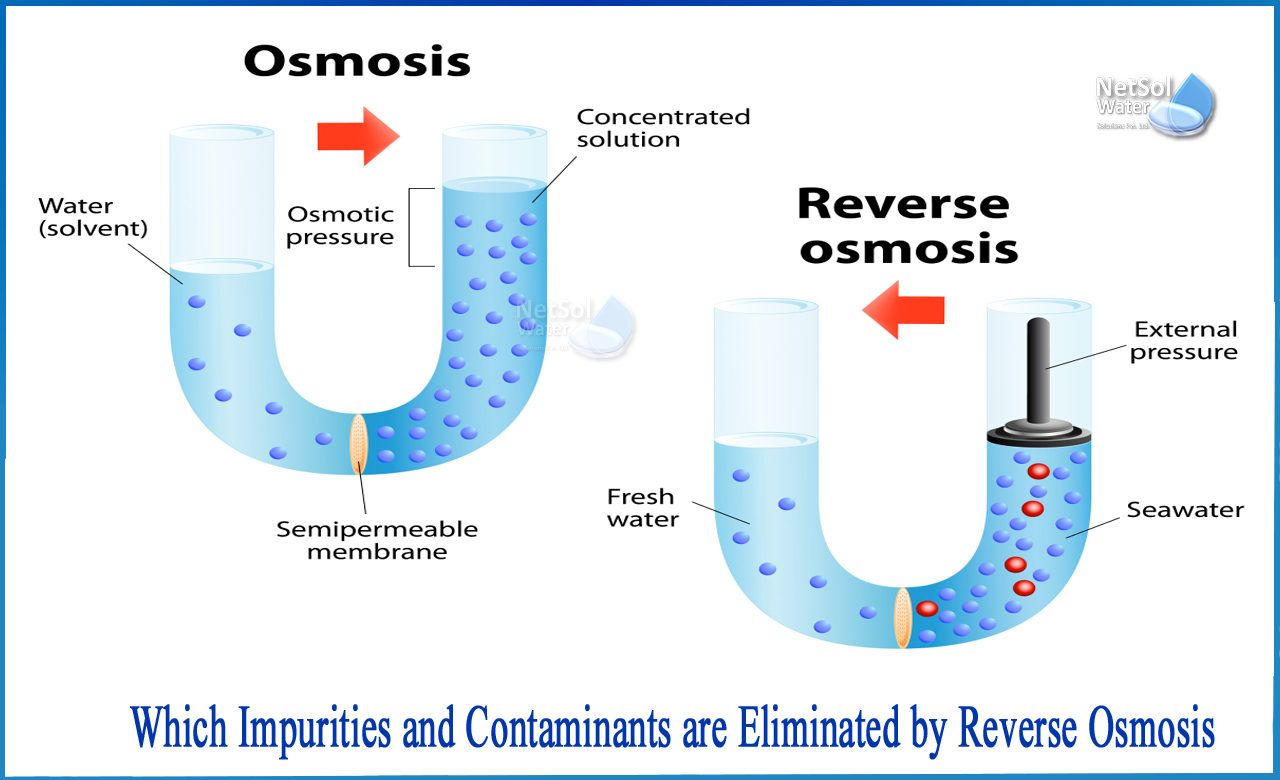
So, you’ve got a reverse osmosis (RO) system under your sink, right? It’s that sleek, high-tech gadget that promises to banish every last impurity from your tap water. And honestly, it’s amazing. It strips away lead, chlorine, pesticides—even microscopic nasties you never knew you were drinking. But here’s the fun twist: reverse osmosis can’t remove everything.
In fact, some of what slips through is actually what makes life sparkle. Let’s pull back the curtain and celebrate the stubborn, wonderful things that RO leaves behind. Because sometimes, what you can’t filter out is exactly what you need.
The Good Stuff: Gases and Dissolved Air
First up: oxygen and carbon dioxide. Your RO membrane is a total champ at blocking salts and heavy metals, but it’s a terrible bouncer when it comes to gases. Tiny gas molecules just waltz right through the membrane pores.
Must Read
That means your filtered water is still full of dissolved oxygen. Why does that matter? Because that oxygen gives water a crisp, fresh taste—the kind that makes you say, “Ahhh.” Without it, water would taste flat and dead, like you’re sipping from a plastic bottle left in a hot car.
So thank your RO system for removing the junk, but thank Mother Nature for letting the fizz stick around. It’s the unsung hero of a refreshing glass of water.
Small Molecules That Pack a Flavor Punch
Ever noticed that RO water still has a tiny bit of taste? That’s because certain small organic molecules—like geosmin (the earthy scent of rain) or trace esters—can slip past the membrane. The membrane is designed to block ions and larger compounds, not every single flavor molecule.
This is actually a good thing! Imagine water so stripped of character it tasted like nothing—like drinking pure vacuum. A little hint of the source, whether it’s a mineral note or a whisper of spring, keeps your water interesting. It’s like the difference between a silent movie and one with a soundtrack.
Embrace the imperfection. That faint taste is your water’s personality showing through. Don’t you dare apologize for it at a dinner party.
What About Viruses and Tiny Bacteria?
Here’s a wild fact: reverse osmosis membranes have teeny-tiny pores—about 0.0001 microns. That’s small enough to block most bacteria and viruses. But not all of them. Some viruses, like the ones that are smaller than 0.01 microns, can theoretically slip through the membrane if it has a defect or if pressure is wonky.
Now, don’t panic! In most modern systems with proper pre-filtration and UV lights downstream, this risk is almost zero. But it’s a great reminder that RO isn’t a magic force field. It’s a tool, not a superhero. The real hero?You—for maintaining your system and knowing its limits.
 Reverse Osmosis Indianapolis, IN | Reverse Osmosis Systems
Think of it like this: RO is your faithful sidekick, but even Batman needed Robin to remind him to check the batmobile’s oil.
Dissolved Minerals: The Friends We Choose to Ditch (or Keep)
This one will surprise you: RO systems actually do remove most minerals—calcium, magnesium, iron—but they leave behind trace amounts. Why? Because membranes aren’t perfect, and some ions sneak through. That’s why many people add a remineralization filter afterward.
But here’s the kicker: the minerals that stay behind are the ones that make coffee taste sublime and tea taste smooth. Water with zero minerals is so aggressive it over-extracts flavors, making your morning brew bitter. A little mineral presence keeps it balanced.
So don’t fear the trace calcium. It’s not the enemy. It’s the chef’s secret in your mug.
And the One Thing You Can’t Remove with Any Filter: Your Sense of Wonder
Let’s get real for a second. No water filter, no matter how advanced, can remove your curiosity or your joy. You can drink the purest H₂O on Earth, but if you’ve lost your sense of awe, you’re still thirsty.
The best part of understanding what RO can’t remove is realizing how alive water really is. It’s not just a chemical compound to be stripped down to a sterile ghost. It’s a living, dynamic blend of molecules that carries the memory of clouds, soil, and ancient seas.
So lift your glass high. Toast to the oxygen bubbles, the faint mineral dance, and the viral gates that sometimes wave hello. Reverse osmosis is powerful, but it can’t remove your ability to learn, laugh, and be amazed. And that, my friend, is the most inspiring filter of all.
Now go pour yourself a glass, take a sip, and smile. Then maybe read another article about why your tap water tastes like candy. The world of water is wonderfully weird—and you’ve only scratched the surface.
