Do Water Filters Really Purify Your Water

Let’s be honest: we’ve all stood in the kitchen, holding a glass of tap water, and given it that look. You know the one. It’s the same look you give a questionable leftover in...

Let’s be honest: we’ve all stood in the kitchen, holding a glass of tap water, and given it that look. You know the one. It’s the same look you give a questionable leftover in the back of the fridge.
You take a sip, and there it is—a faint hint of swimming pool or a metallic echo. That’s the moment you start googling water filters at 11 p.m.
You buy a fancy pitcher or screw a shiny gadget onto your faucet. You feel like a responsible adult who has finally outsmarted the system.
Must Read
The Great Sink Mystery
So, does that little plastic puck actually purify your water? Or is it just a very expensive way to feel fancy while you fill your kettle?
Here’s the real talk: most countertop filters are not turning your tap water into a pristine mountain stream. They’re more like a bouncer at a club.
They keep out the big, annoying riff-raff—chlorine, sediment, and that weird metallic taste. But they are not kicking out viruses, heavy metals, or microscopic bacteria.
Think of it this way: a basic filter is the friend who stops you from wearing a terrible outfit to a party. It handles the obvious problems.
But a real purifier is the friend who also makes sure you don’t eat the questionable dip. Most home filters are the outfit police, not the dip inspectors.
The "Taste Test" Deception
Remember that time you did a blind taste test with your roommate? You both swore the filtered water was “smoother” and “crispier.”
Spoiler alert: you were probably just willing it to be better. It’s like how a wine expert swears they taste “hints of blackberry” when really they just drank grape juice.
Your brain is easily fooled by the concept of purity. You paid forty bucks for that filter—you have to believe it’s working.
The truth is, a lot of that “better taste” comes from removing the chlorine. That’s it. You’re not making it healthier; you’re just making it less offensive.
And honestly? That’s perfectly fine. Water shouldn't taste like a chemistry set.
When Filters Actually Save Your Bacon
Now, don’t throw your pitcher in the trash just yet. If you live in an old building with rusty pipes, a sediment filter is a life-saver.
I have a friend whose water came out looking like weak iced tea every time the city flushed the hydrants. His filter turned it back into something you’d actually drink.
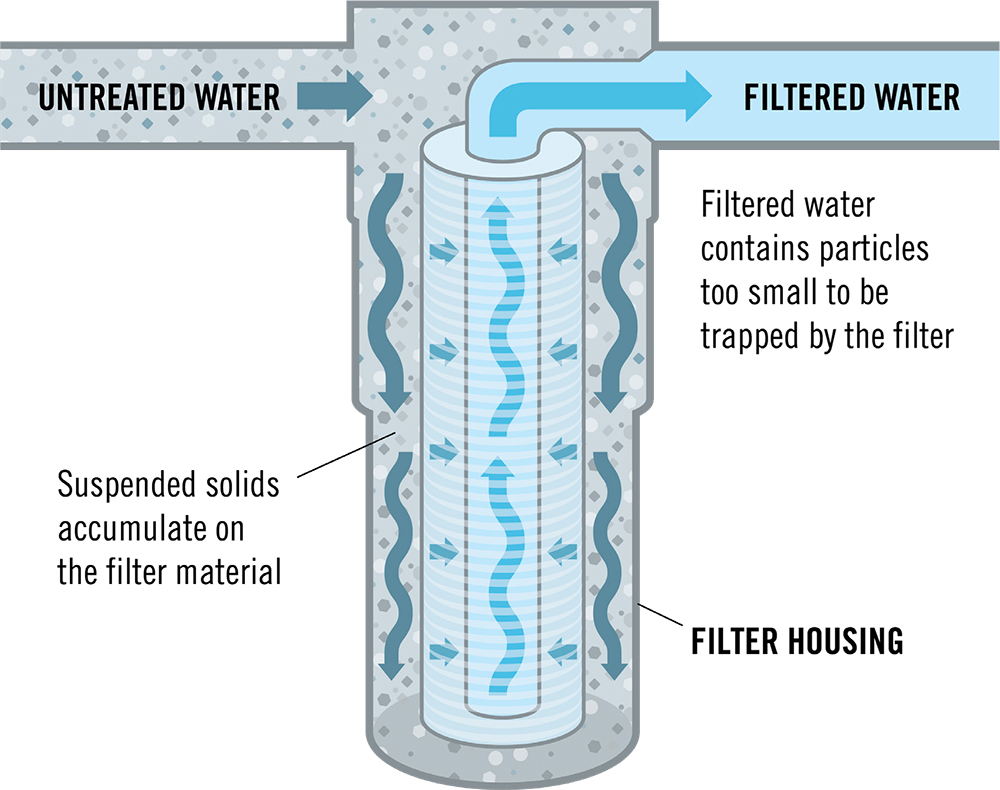 Water Purification Methods | Atlas Scientific
That’s real purification in action—not for health, but for basic survival (and dignity).
If you have a good municipal water supply (which most of us do), your filter is mostly a luxury item. It’s the fancy hand soap of the kitchen.
Does it make a difference? Sure. Does it change your life? Only if you really, really hate the taste of tap.
The Big, Honest List
Let’s break it down like a normal person:
- Pitcher filters (Brita, PUR): Great for taste and chlorine. Terrible for heavy metals. It’s a sippy cup for adults.
- Faucet-mounted filters: Slightly better, but they get clogged and slow. It’s like convincing your faucet to go on a diet.
- Reverse osmosis systems: Now we’re talking. These actually remove almost everything. But they waste a ton of water and cost as much as a nice dinner out.
- Activated charcoal: The hero of taste. It grabs onto chemicals. It’s like a lazy magnet—it only picks up what it bumps into.
So, if you’ve been drinking that fridge-filter water for years, relax. Unless you live near a superfund site, you’re not slowly poisoning your family.
You’re just paying a subscription fee for peace of mind and a slightly less metallic aftertaste.
The Final Sip
Here’s my easy-going conclusion: water filters do purify your water, but only to a certain point. They are the gatekeepers, not the exterminators.
They make your water taste like it came from a glass bottle instead of a metal pipe. And for most of us, that’s enough.
Just don’t pretend you’re drinking from a glacier in the Alps. You’re drinking from a plastic container that you bought at Target.
And that’s okay. It’s better than drinking from the hose in the backyard—which, let’s face it, we all did as kids.
So go ahead, fill up that fancy pitcher. Let it chill. Take a sip. Nod approvingly. You did something.
Not everything. But something. And that’s how adulting works, one filtered glass at a time.
