Is It Safe To Boil Tap Water For Drinking

Ever stood at your kitchen sink, glass in hand, staring at the tap and wondering, “Is this really safe?” You’re not alone—we’ve all had that moment of hesitation. But here’s t...
Ever stood at your kitchen sink, glass in hand, staring at the tap and wondering, “Is this really safe?” You’re not alone—we’ve all had that moment of hesitation. But here’s the good news: boiling your tap water is surprisingly simple and incredibly effective. Let’s dive in, and I promise we’ll make this fun.
The Science Bit (But Make It Snappy)
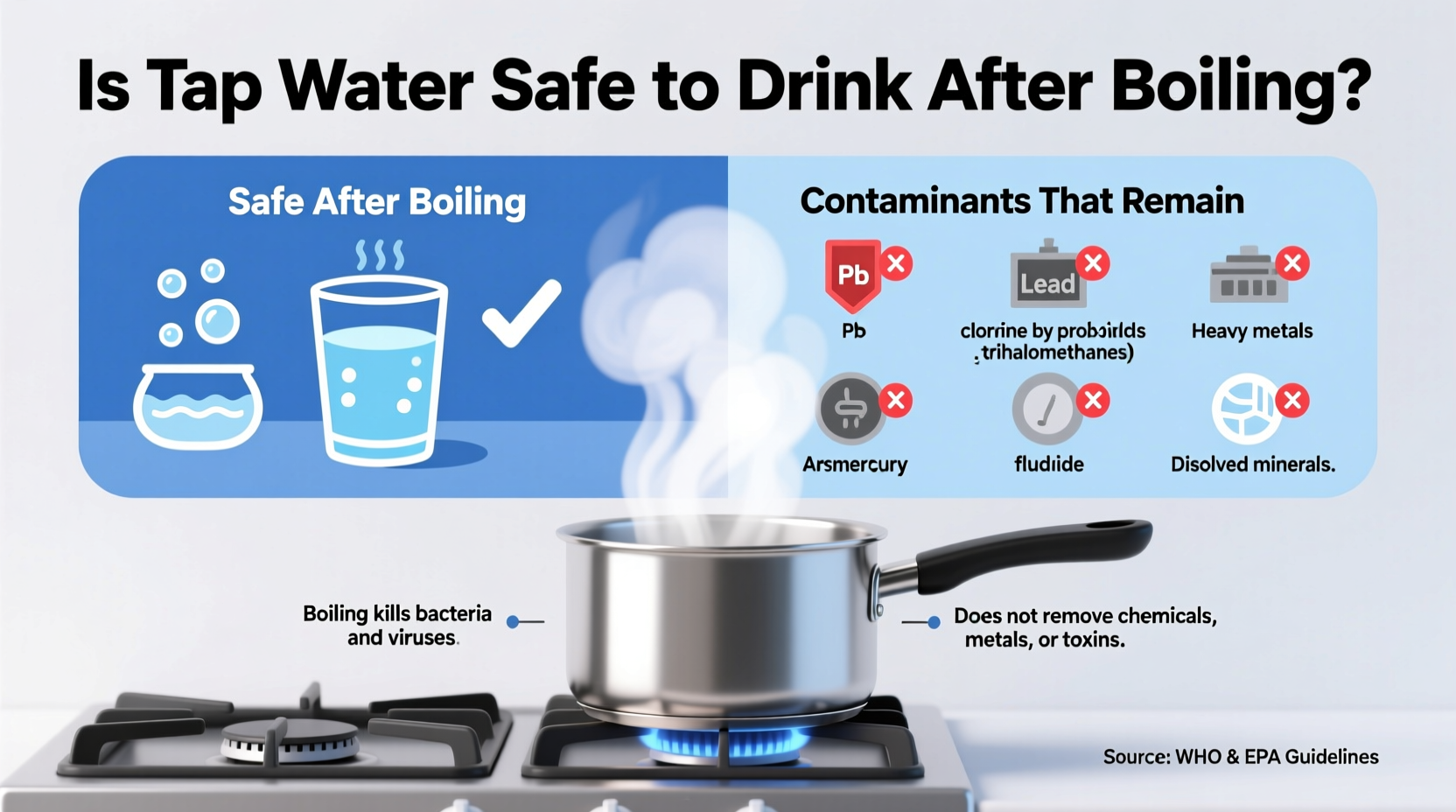
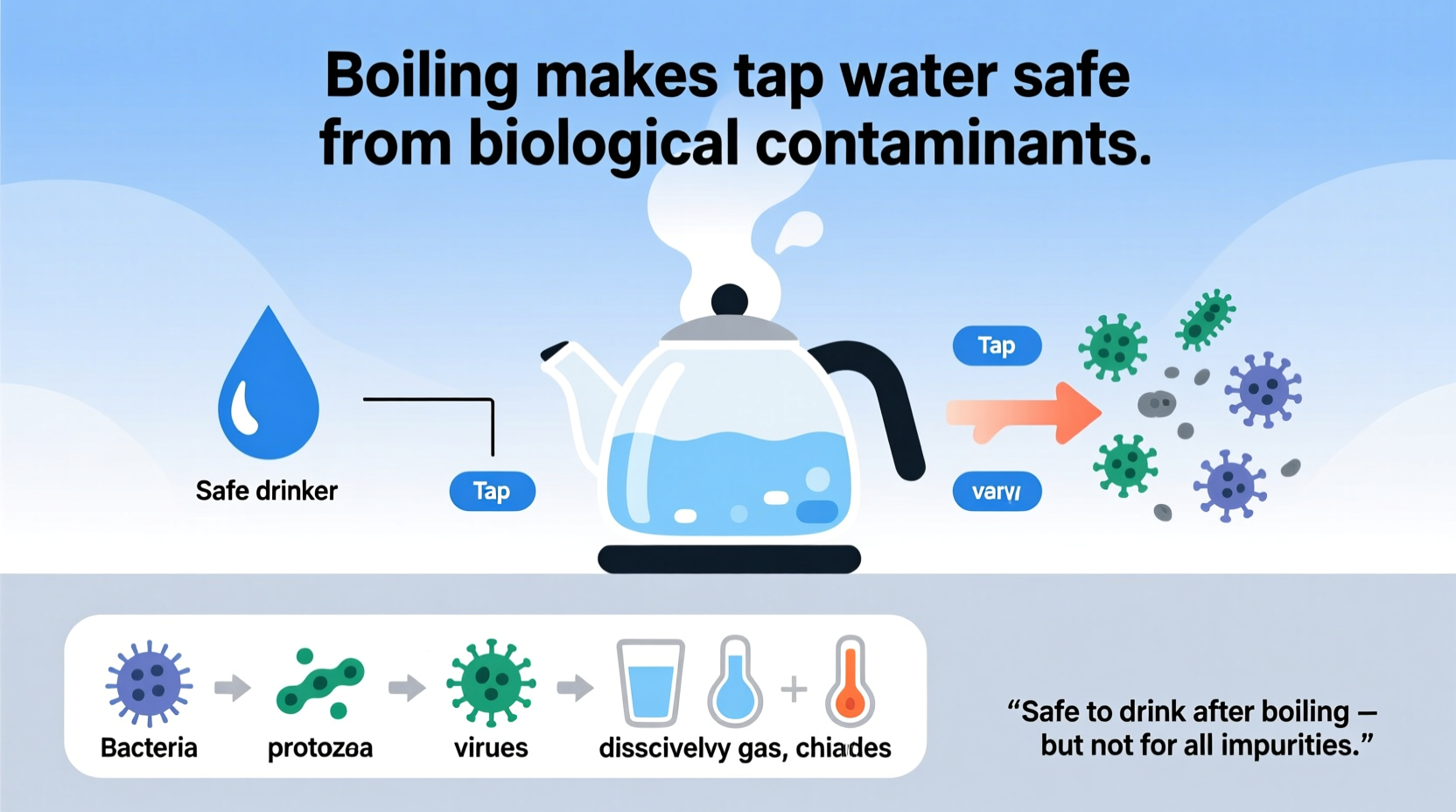
When you bring tap water to a rolling boil, you’re basically giving microscopic hitchhikers a one-way ticket out. Heat kills bacteria, viruses, and parasites like giardia and cryptosporidium. That’s it—science done.
Think of it as a spa day for your water. The bubbles are like tiny bouncers throwing out the unwanted guests.
Must Read
But What About Chemicals?
Ah, the big question! Boiling won’t remove heavy metals, lead, or chemical pollutants—those little rascals need a filter. But here’s the twist: most municipal tap water is already treated to be safe. Boiling is your backup plan, your insurance policy.
So unless you’re living in a dystopian movie with glowing green pipes, you’re likely fine. Still, knowing how to boil gives you power. And power is fun.
The “Is It Worth My Time?” Check
Let’s be real: boiling water takes patience. About one minute at a full boil at sea level (longer at higher altitudes). That’s the perfect amount of time to scroll a cat video or sing the chorus of your favorite song.
Pro tip: boil a big batch, pour it into a pitcher, and refrigerate. Boom—chilled, safe water for the whole day. You just became a water wizard.
When Should You Actually Boil?
Boil if you’re camping, after a flood, or if your water report says “boil advisory.” It’s also a great trick if you’re traveling in a place where your stomach isn’t used to local microbes. This isn’t paranoia—it’s preparation.
And for the love of hydration, don’t boil water that already smells like a swimming pool (chlorine overload). Let it sit uncovered first, then boil if you’re nervous.
 Is Tap Water Safe To Drink After Boiling And What It Removes
Let’s Get a Little Silly
Fact: boiling water can make you feel like a pioneer. You’re literally sanitizing your future. Pair it with a reusable bottle, and you’re now an eco-warrior with a chemistry hobby.
Bonus: hot water is amazing for tea, coffee, or those fancy instant noodles at 2 AM. Safety and snack potential? That’s a win-win.
But Seriously—Is It Safe?
Yes. Yes, yes, yes. Boiling is one of the oldest, most reliable methods of water purification known to humanity. If your ancestors could do it over a fire, you can do it over a stovetop or electric kettle.
Just don’t burn your tongue. Trust me, I’ve done it. It’s the one risk you actually face.
The Uplifting Finale
So, should you boil tap water? Only if you want to feel like a capable, informed adult who can handle anything. It’s not just about safety—it’s about confidence. You’re not a passive consumer; you’re an active steward of your own health.
And here’s the inspiring part: once you master this, you’ll start wondering what else you can learn. How do I filter rainwater? What about solar disinfection? Suddenly, you’re on a journey, and it starts with a simple kettle.
Go ahead. Boil that water. Enjoy that cup. You’ve got this. And when you’re ready, the world of water wisdom is yours to explore.
