How Long Is Water Good In Plastic Bottles

So, picture this: I’m cleaning out my car before a road trip—the usual junk, old receipts, a single sock (don’t ask)—and I unearth a plastic water bottle, half-full, from unde...
So, picture this: I’m cleaning out my car before a road trip—the usual junk, old receipts, a single sock (don’t ask)—and I unearth a plastic water bottle, half-full, from under the passenger seat. It’s been there since, oh, maybe last summer? The label is slightly faded, and the water looks... fine. Crystal clear. No floating green stuff. Is this safe to drink? I asked myself, lifting it to the light like some kind of bottled water archaeologist. (Spoiler: I did not drink it, but I was very, very tempted.)
That dusty bottle got me thinking: How long is water actually good in plastic bottles? Not the fancy, sealed ones from the store—I mean the half-empty ones you’ve stashed in your backpack, gym bag, or that weird corner of your desk. The answer, my friend, is more about risk than the water itself.
The Quick Answer (For The Impatient)
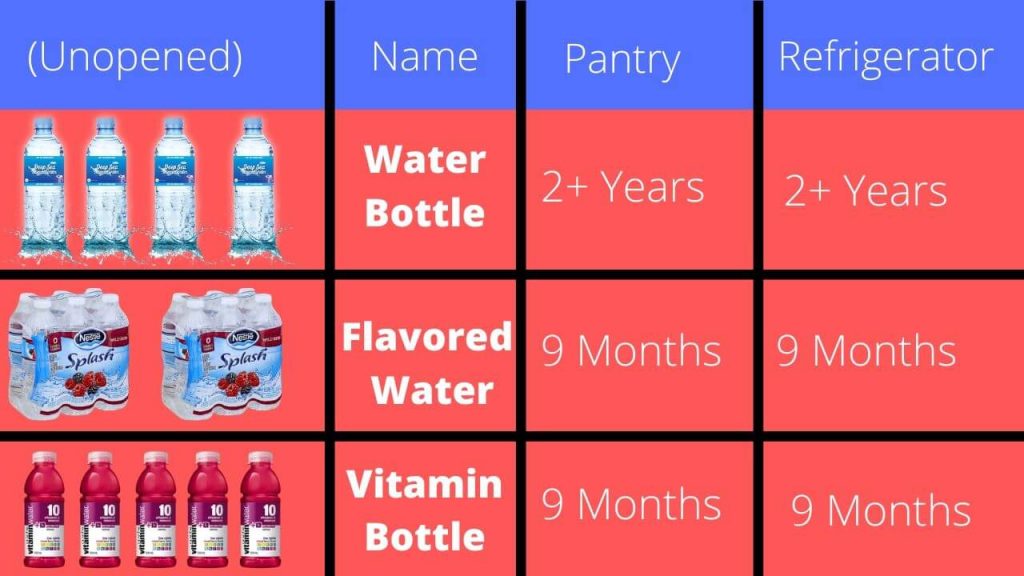
If you’re talking about a sealed, store-bought plastic bottle, the water is technically safe to drink for years—it won’t “go bad” in the sense of spoiling like milk. The FDA and most bottlers slap a date on there (usually 1-2 years) because of plastic degradation, not because the water expires. But once you crack that seal? Totally different story.
Must Read
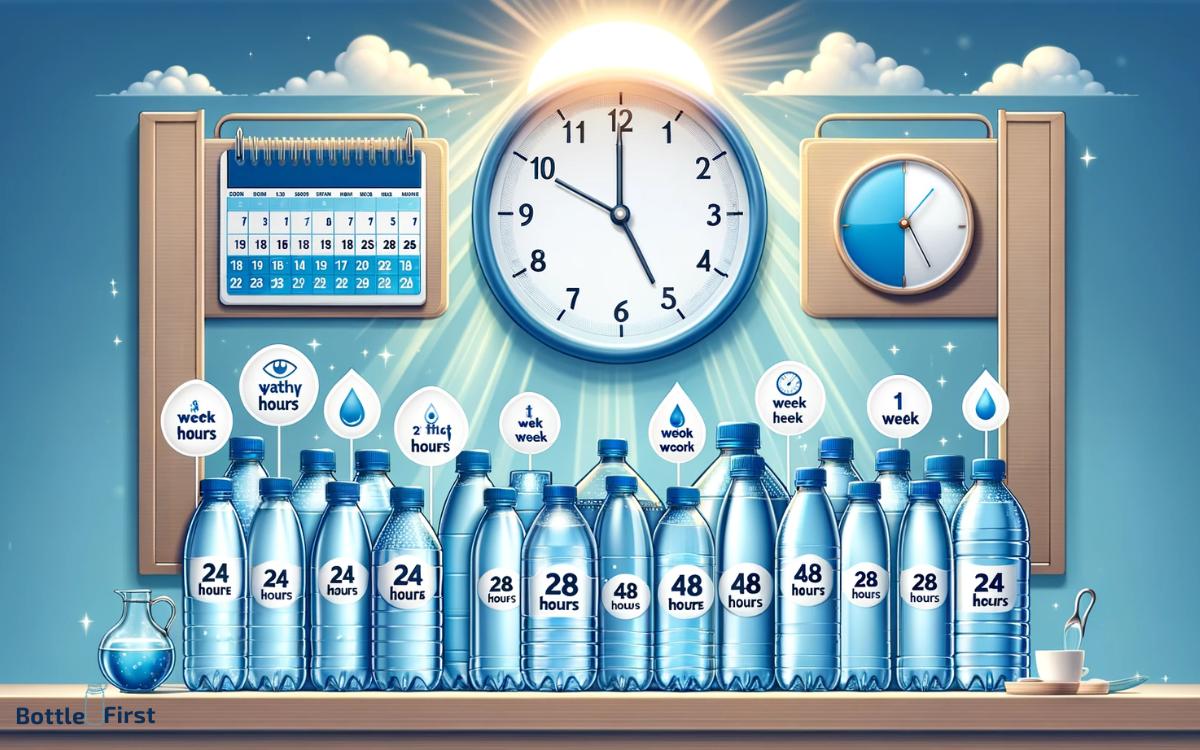
Opened bottles? You’re looking at 1 to 3 days at room temperature, maybe up to a week if it’s sitting in your fridge. After that, you’re not drinking “water” so much as a microbial soup. (Charming, right?) And if that bottle’s been in a hot car? Cut that estimate in half, at least.
Why It’s Not The Water—It’s The Stuff Around It
Here’s the rub: water itself doesn’t rot. It’s H₂O, a simple molecule that’s basically immortal. The danger comes from what gets into the water after you open it. Your mouth, for starters. Each sip leaves behind a tiny time capsule of bacteria, and in a warm, dark bottle, those little guys throw a party.
And then there’s the plastic itself. Over time, especially in heat or sunlight, the bottle can leach chemicals like antimony or BPA into the water. Not a “you’ll drop dead” level, but enough to make your tastebuds go, “Uh, that’s not Fiji water, pal.” So even if the bacteria don’t get you, the plasticky off-taste will.
The "Hot Car Avalanche" Factor
Leaving a plastic bottle in a hot car is a classic move—I’ve done it a million times—but it’s also the worst-case scenario for water quality. Heat accelerates chemical leaching and turns your bottle into a bacterial incubator. Pro tip: if that bottle feels warm to the touch, don’t sip it. Just don’t. (Your stomach will thank you.)
The same goes for reusing disposable plastic bottles. Yeah, I know, we all love being eco-friendly and refilling that Dasani bottle for a week. But those thin plastics aren’t designed for multiple trips through the dishwasher or fridge door. They get tiny cracks—microscopic breeding grounds for bacteria. So refill a Nalgene or a metal bottle instead. Future-you will be less gassy.
 How Long Does Water In Plastic Bottles Last | Detroit Chinatown
How To Actually Tell If It’s Bad
Forget the date code. Your senses are way better at this than labels. If the water smells funky—like plastic, swamp, or sulfur—don’t drink it. If it has a slimy mouthfeel (yes, that’s a thing), definitely don’t. And if you see any floaters, algae, or sediment? That’s not microplastics; that’s a biology experiment you didn’t sign up for.
Clear does not equal clean. I’ve seen bottles that looked perfectly clear but had a faint film of bacterial biofilm on the inside—like a ghost’s spit. (Gross, but true.) Trust your nose, not your eyes.
The "Logan's Run" Rule Of Thumb
Here’s my personal, non-scientific, but reliable guideline: if that plastic bottle has been sitting around for longer than a week after being opened, just dump it. Refill with fresh water. You’re not saving the world by nursing a half-finished bottle of tap water from last Tuesday. You’re just saving yourself from possible indigestion.
And for the love of hydration, never drink from a bottle that’s been left out in direct sunlight for a few hours. The combo of UV rays and plastic creates a chemical cocktail that tastes like a swimming pool’s revenge. (I learned this the hard way at a summer picnic. Never again.)
The Bottom Line
So, how long is water good in plastic bottles? Sealed? Practically forever (within reason). Opened? 24-48 hours at room temp, tops. Reused over and over? Maybe a few days, but you’re playing bacterial roulette. Your safest bet? Drink it quickly, or toss it. Water is meant to be a friend, not a test of your immune system.
And next time you find that dusty half-bottle under your car seat, just do what I did: say “Not today, microbial overlords,” and pour it on the grass. The earth can handle it. Your stomach? Eh, better not to risk it. Cheers.
