How Can You Tell If Water Is Contaminated

Ever taken a sip of water and thought, “Hmm, that tastes a little… funky”? Maybe it’s just the pipes, or maybe you’re wondering something deeper. The cool thing is, your body...
Ever taken a sip of water and thought, “Hmm, that tastes a little… funky”? Maybe it’s just the pipes, or maybe you’re wondering something deeper. The cool thing is, your body is actually a pretty good first-alert system. But when you really want to know if that clear glass of H2O is hiding secrets, you have to get a little detective-y.
And hey, it’s fascinating. Water isn’t just “wet stuff”—it’s a complex soup of minerals, microbes, and the occasional unwanted guest. Think of it like a party you weren’t invited to: you want to know who showed up and whether they’re causing trouble. So, how can you even start to tell if your water is contaminated?
Listen to Your Senses (They’re Not Dumb)
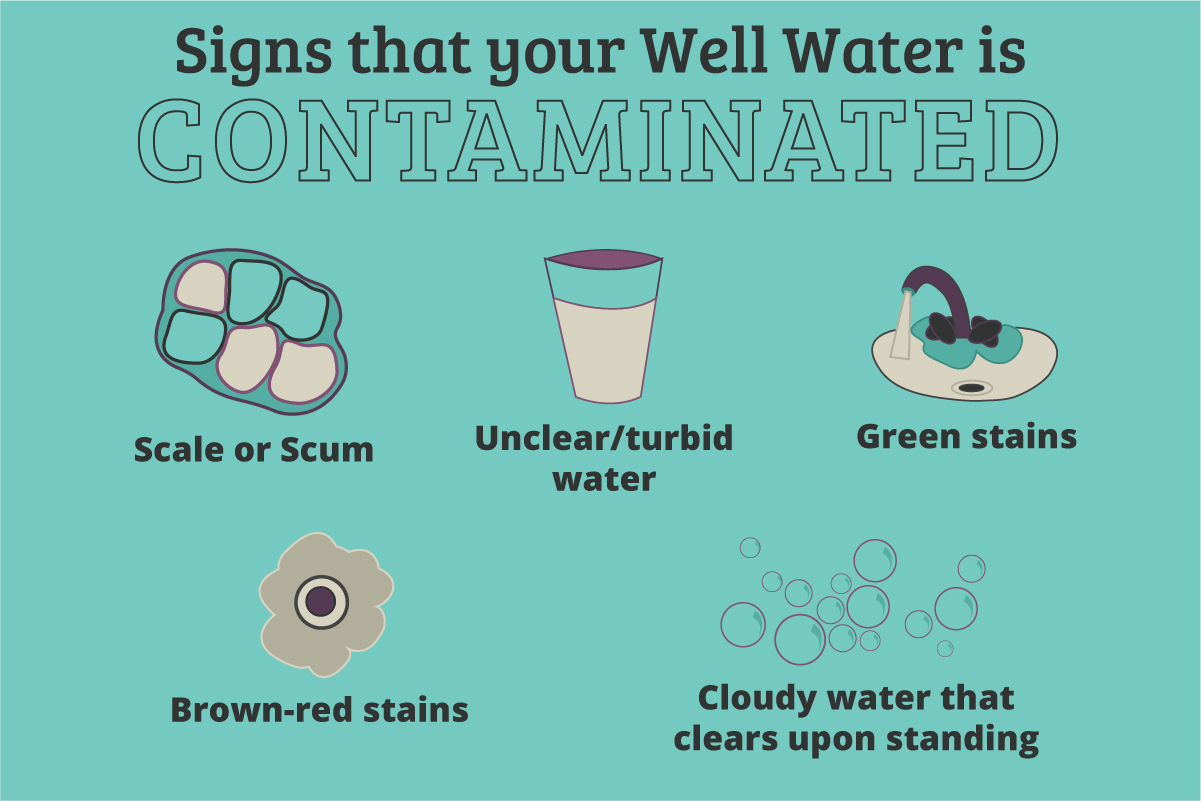
First up, trust your eyes and nose. If your water looks cloudy, has a strange color (rusty red, greenish, or milky white), or smells like rotten eggs or bleach, that’s your first clue. It’s like a smoke alarm—it doesn’t tell you the exact fire, but it says, “Hey, something’s up.”
Must Read
But here’s the tricky part: most dangerous contaminants are invisible and odorless. Pretty annoying, right? Lead, arsenic, and many bacteria have zero taste or smell. So, just because it looks crystal clear doesn’t mean it’s a clean slate. You’re basically trying to spot a ninja in a dark room.
The Chemistry Set Method (Way Cooler Than High School)
This is where it gets interesting. You can buy simple test strips that change color like a mood ring for your tap water. Dip one in, wait 30 seconds, and boom—you get readings for pH, chlorine, hardness, and even nitrates. It’s like a tiny rainbow that tells tales of pollution from farms or old pipes.
For the nerds (I say that lovingly), there are digital meters that measure Total Dissolved Solids (TDS). Think of it as a “stuff-in-water” counter. A high TDS number doesn’t always mean dangerous—it could just be calcium from rocks—but a sudden spike might mean runoff or corrosion. It’s the difference between a salty pretzel and a toxic swamp.
The “Crystal Clear” Trap
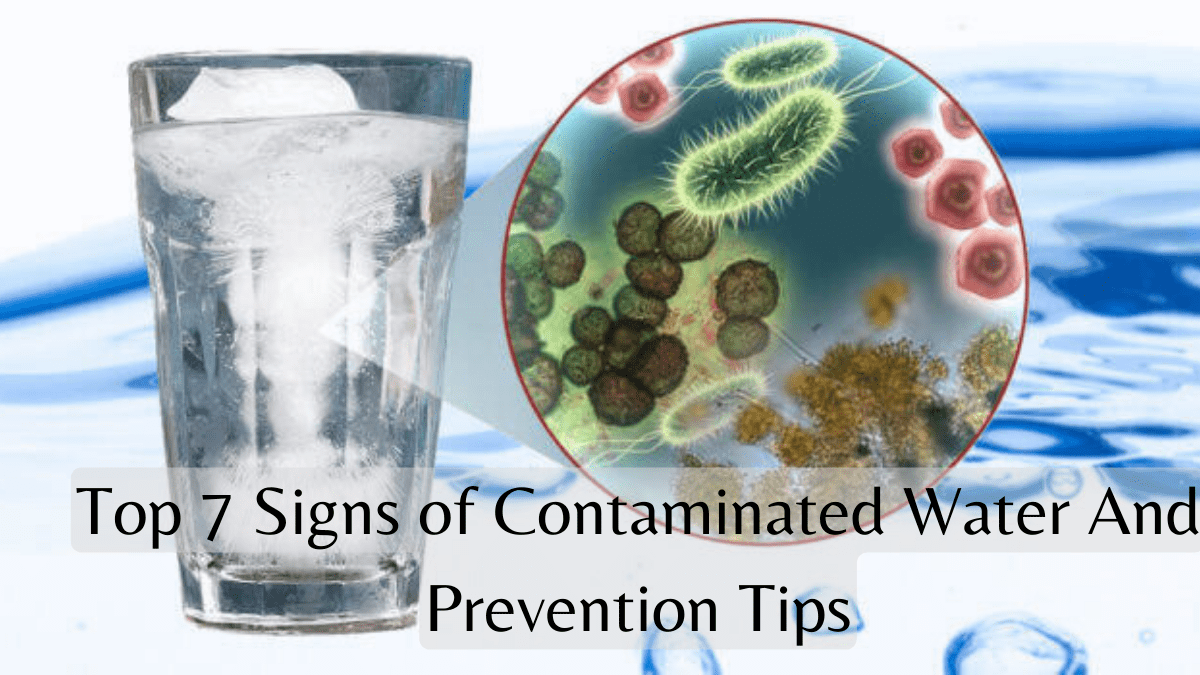
Remember that glass of crystal-clear water I mentioned? A lot of harmful stuff, like E. coli or cysts like Giardia, are microscopic party crashers. You can’t see them, but they can make you feel like you swallowed a jackhammer. That’s why scientists use culturing tests—they basically grow bacteria in a warm dish to see if anything ugly pops up. It’s a slow-motion detective game.
Another wild trick? Heavy metals can sometimes be detected with a home kit that uses a special powder. If the water turns a shocking pink or purple, you’ve got lead or copper issues. It’s like a magic trick, but the ending is “call a plumber.”
 Top 7 Signs of Contaminated Water And Prevention Tips
When in Doubt, Send It to a Lab
Okay, so you’ve sniffed, tested, and used a kit. But for a real answer—like, the kind you’d bet your stomach on—you send a sample to a certified lab. They’ll run spectrometry (fancy word for “zapping water with light”) and chromatography (separating chemicals like a food processor). It sounds sci-fi, but it’s just a bunch of white coats geeking out over your tap water.
Why bother? Because some contamination, like PFAS (the “forever chemicals” from non-stick pans), requires super high-tech gear to spot. Your nose won’t cut it. A lab report is like a full background check on your water’s social life.
The Weirdest Indicator: Your Appliances
Here’s a fun one: your coffee maker or kettle might be snitching on your water. If you get white, chalky buildup (scale), that’s just hard water—annoying but safe. But if your dishwasher starts leaving brown stains on dishes, or your plumbing suddenly gets super green or blue corrosion, that’s a red flag for copper or iron seeping in.
Even your ice cubes can tell stories. If they come out smelling like garlic or mud, you might have sulfur bacteria or decaying organics in your well water. It’s like your freezer is a tiny messenger saying, “Bro, your groundwater is weird.”
So, What’s the Coolest Way to Know?
The absolute coolest thing? Bio-sensors are being developed—tiny organisms that glow or change behavior when they touch a contaminant. Imagine a fish that lights up when the water’s bad, but in a little bottle. We’re not there yet for home use, but it’s coming.
For now, the chillest approach is a combo: smell and look for obvious signs, use basic test strips for peace of mind, and if you live near farms, factories, or old lead pipes, get a lab test every year. Water is a storyteller—you just have to learn its language. And honestly? Once you do, you’ll never look at a glass the same way again. You’ll see a whole invisible world, full of drama, chemistry, and the occasional hidden villain.
