What Are Some Facts About Water Pollution

We splash through puddles, sip from bottles, and shower without a second thought. Water is so ordinary we forget it’s a miracle. But here’s the twist: that miracle is under se...
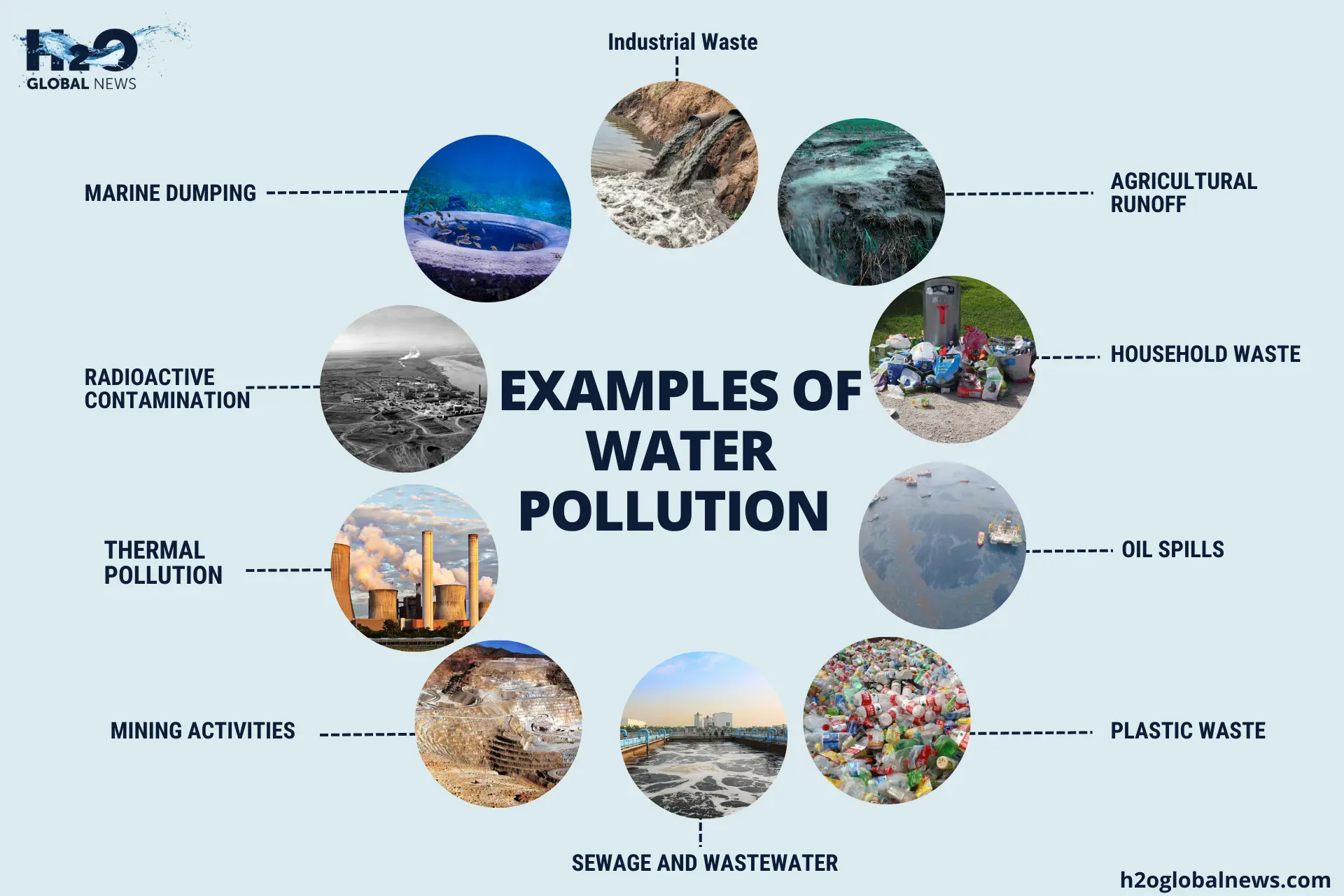
We splash through puddles, sip from bottles, and shower without a second thought. Water is so ordinary we forget it’s a miracle. But here’s the twist: that miracle is under serious pressure, and water pollution is the uninvited guest at every single one of our tables.
Think of it like this: your morning coffee is mostly water. If that water was laced with microplastics, industrial runoff, or pharmaceuticals, you’d taste it—or worse, you wouldn’t. The scary part is, 80% of the world’s wastewater flows back into the environment without being treated. That’s not a fact to sip lightly.
The Silent Ingredients in Your Glass
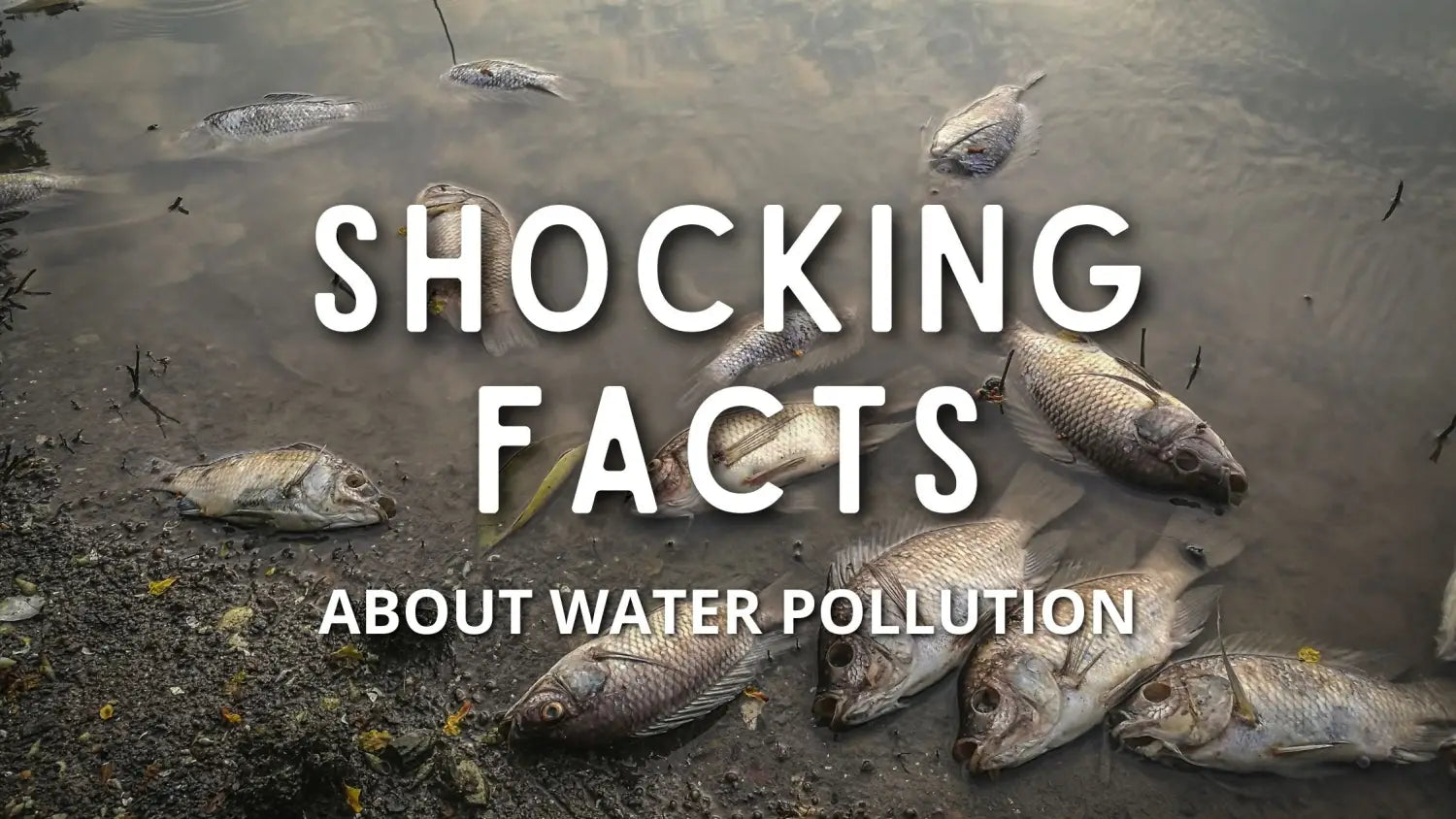
Water pollution isn’t just about a dead fish floating belly-up in a murky river—though that’s a grim part of it. It’s about invisible hitchhikers. Take pharmaceuticals: trace amounts of antidepressants and birth control pills are now found in tap water systems. You’re not getting high on your H2O, but the long-term effects on aquatic life—like fish with altered behavior—are very real.
Must Read
Then there are microplastics. A 2019 study found that a person ingests about a credit card’s worth of plastic every week through water and food. That’s not a flex; that’s a crisis in slow motion. It’s like we’re all unknowingly participating in a sad, global smoothie recipe nobody asked for.
The Cultural Clash: Bottled Water vs. The Tap
Pop culture has a love affair with bottled water. From Evian in every influencer’s hand to Fiji in hotel minibars, it screams “I’m clean, I’m premium.” But here’s the irony: bottled water is often just tap water in disguise, and its production creates mountains of plastic waste. In fact, it takes three liters of water to make one liter of bottled water. That’s like paying for a VIP ticket to a show you already own.
Culturally, we’ve been sold a story that clean water must come from a plastic bottle. Meanwhile, in places like Flint, Michigan, or rural India, the story is about justice—access to safe drinking water being a basic human right, not a luxury. The gap between the influencer’s Fiji bottle and a child carrying a jerrycan for miles is the real pollution: inequality.
Five Quick Facts That Will Make You Look Twice at a Puddle
Fact 1: Ocean garbage patches are real, and they’re not islands you can visit. The Great Pacific Garbage Patch is mostly tiny plastic particles suspended in the water column. You could sail right through it and barely see a thing—but it’s the size of Texas. Creepy, right?
Fact 2: Agricultural runoff is worse than industrial waste in many places. Overuse of fertilizers and pesticides creates “dead zones” in coastal waters, like in the Gulf of Mexico. No oxygen, no fish. Just a silent, green soup of algae.
Fact 3: Your laundry is a pollution factory. Every time you wash a polyester fleece, hundreds of thousands of microfibers slither down the drain. They’re too small for water treatment plants to catch, so they head straight to the ocean. Your cozy hoodie is shedding plastic.
 Shocking Facts about Water Pollution
Fact 4: Rain isn’t pure anymore. In some regions, rainwater contains levels of PFAS (forever chemicals) that exceed safe drinking standards. The sky, apparently, is leaking. That “fresh” rain on your skin? It’s been through a chemical car wash.
Fact 5: One liter of oil can contaminate a million liters of water. That’s why a single spill from a car—or a careless pour of cooking oil down the sink—has consequences far beyond your drain. Think of it as one greasy domino that knocks down a clean ecosystem.
Practical Tips That Don’t Require a PhD
Stop buying bottled water when you can avoid it. Invest in a stainless steel or glass bottle and a solid filter for your tap. It’s cheaper, less wasteful, and you get to feel like a planet-saving superhero every time you refill. Bonus: your water won’t taste like a plastic factory.
Wash your synthetics less often, and when you do, use a Guppyfriend bag or a washing machine filter designed to catch microfibers. Also, skip the “antibacterial” soaps—they contain triclosan, which is a nasty pollutant. Your hands don’t need a chemical army; they just need soap and water.
Check your local water quality report online. In the U.S., your community’s annual Consumer Confidence Report is a public record. It tells you exactly what’s in your tap water. Knowledge is power—and in this case, it’s also prevention.
The Reflection at the End of the Hose
Here’s the thing: water pollution feels huge, abstract, and unsolvable—like trying to scoop the ocean with a teaspoon. But every action you take, from the detergent you buy to the bottle you refuse, sends a signal. Your daily habits are voting for the kind of world you want to live in. If we all treated water like the precious, finite resource it is, we’d stop assuming it will clean us without us cleaning it back.
So tonight, when you fill your glass, pause for a second. That water has traveled through clouds, rivers, pipes, and perhaps even a salmon’s gills. It’s older than any civilization. Respect it. And maybe—just maybe—skip the plastic bottle tomorrow. Your future self, and a few fish, will thank you.
