Reverse Osmosis Whole House Filter System

Alright, pull up a chair and let me pour you a glass of water. Not just any water—the kind that doesn’t taste like the inside of a rusty pipe or your neighbor’s suspicious poo...
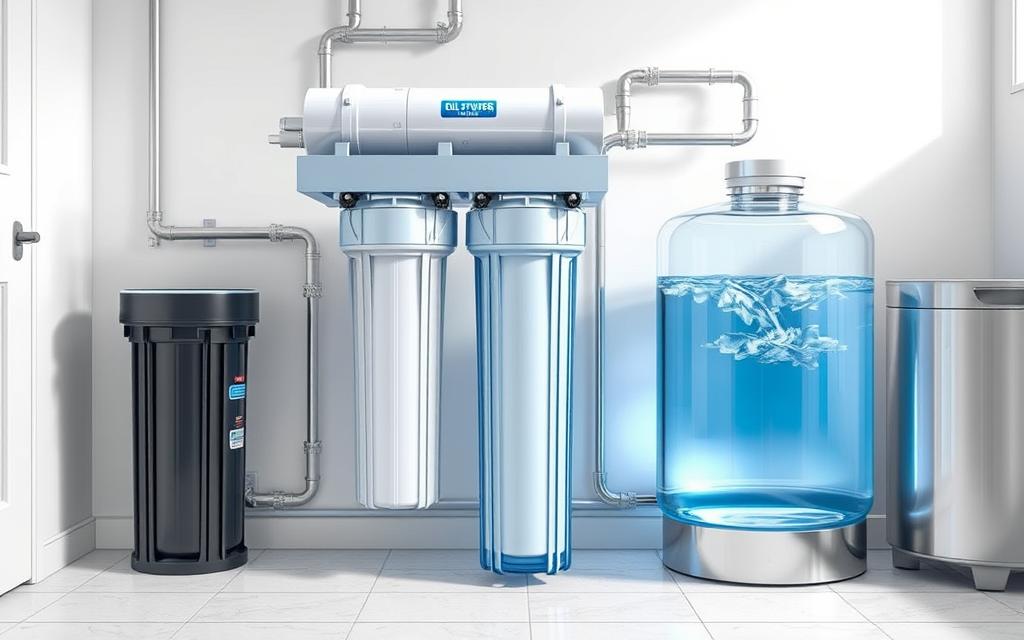
Alright, pull up a chair and let me pour you a glass of water. Not just any water—the kind that doesn’t taste like the inside of a rusty pipe or your neighbor’s suspicious pool. I’m talking about the Reverse Osmosis Whole House Filter System, the Beyoncé of home water treatment. It’s over-the-top, it’s expensive, and honestly? It might just save your house from turning into a science experiment.
What in the Plumbing Is Reverse Osmosis?
Imagine you’re a grape, and someone squeezes you through a pair of pantyhose so violently that every seed, stem, and questionable memory pops out. That’s reverse osmosis. It forces water through a super-fine membrane that blocks almost everything—dissolved salts, lead, chlorine, pesticides, and even fluoride. We’re talking about a filter so aggressive that it would probably reject your ex’s ghost. A whole-house system means every faucet, shower, and toilet gets this VIP treatment. Your garden hose will start judging tap water.
Here’s a surprise fact: that membrane has pores so tiny (about 0.0001 microns) that a single human hair is 500,000 times thicker. That’s like trying to shove a moose through a keyhole. And yet, water molecules manage it—while fluoride ions and other nasties get bounced like drunk guys at a nightclub.
Must Read
Why Go Nuclear on Your Entire House?
You might be thinking, “I just need a pitcher filter, Karen.” Sure, if you enjoy watching water drip slower than a DMV line. A whole-house system is for people who want every drop in their home to sparkle, not just the one in their glass. Your shower becomes a spa. Your skin stops feeling like it’s wearing a chalkboard eraser. And dishes? They dry without water spots, which 100% means you’ll take fewer bathroom breaks from staring at them.
But here’s the kicker: reverse osmosis also removes stuff you can’t taste, like arsenic and chromium-6 (hello, “Erin Brockovich” vibes). A study by the Environmental Working Group found over 316 contaminants in U.S. tap water. Your whole-house RO system is like a bouncer with a grudge—nothing suspicious gets past. It’s so thorough that it’ll even strip out good minerals like calcium and magnesium. That’s why you need a remineralizer add-on, because who wants to drink water that’s as empty as a politician’s promise?
The Reality Check: It’s Not All Rainbows and Zero-Fluoride Pancakes
Let’s get real—this thing is a water hog. For every gallon of purified water, it flushes up to four gallons down the drain. That’s like buying a Ferrari that only goes 10 miles per gallon, but for your plumbing. Unless you live in a desert and have a cactus for a pet, you’ll face higher water bills. Some systems are more efficient (like 1:1 ratio models), but they cost more than your first car. You’ll also need a storage tank the size of a miniature fridge, because RO is slow. It produces about 3 to 10 gallons per hour—perfect for a quiet weekend, not a frat party.
Oh, and installation? You will need a plumber. Unless you enjoy finding out that your house’s pipes are held together with wishes and duct tape. The system also needs a drain line and a dedicated faucet for the kitchen. It’s like adopting a high-maintenance pet that only drinks designer water.
 How Do Water Filters Work? Types & Benefits Explained
The Surprising Fact That Will Make You Weird at Parties
Did you know RO systems were originally developed for making seawater drinkable on Navy submarines? That’s right—sailors used this tech to turn ocean brine into sippable H2O while avoiding angry dolphins. Today, your whole-house system is basically a mini-desalination plant in your basement. You’re one step away from turning your bathtub into a survivalist’s dream.
Another shocker: reverse osmosis can remove 99% of all dissolved solids, including radioactive particles like radium. So yes, if a nuclear squirrel sets off a meltdown next door, your water is fine. Your toaster might be toast, but you’ll be sipping clean stuff. Also: the system’s pre-filter catches sediment like sand and rust—things that would normally turn your white laundry into camouflage gear.
Should You Buy One? (Spoiler: Maybe Not, But Also Yes)
If you live in a city with decent tap water, this is overkill. It’s like using a flamethrower to toast a marshmallow. But if your water tastes like a swimming pool dipped in a chemistry lab and your skin breaks out each time you shower, go for it. I’d recommend testing your water first. Buy a cheap kit online—the results might shock you (hello, high lead or chlorine levels). Then, think about maintenance: you’ll replace filters every 6 to 12 months, and the membrane every 2–3 years. Cost? About $200 a year, plus the upfront system ($1,500–$5,000). That’s less than a week in a hospital from contaminated water, or one trip to IKEA where you buy nothing but meatballs.
Ultimately, a whole-house RO system is like having a superhero guarding your pipes. It’s expensive, it wastes a bit of water, and it’s frankly ridiculous—but when you take that first crystal-clear sip, you’ll feel like a king in a castle made of filtered glory. Just don’t invite your tap-water friends over. They’ll never leave.
Now, who wants ice? I’ll have to get the cheap kind—my RO system is currently busy judging my life choices.
