Scale Inhibitor For Tankless Water Heater

You know that feeling when you step into the shower, expecting a warm hug, and instead get a lukewarm splash? That’s your tankless water heater having a bad day. And nine time...
You know that feeling when you step into the shower, expecting a warm hug, and instead get a lukewarm splash? That’s your tankless water heater having a bad day. And nine times out of ten, the culprit isn’t the machine itself—it’s a tiny, invisible problem called scale.
Think of scale like the plaque on your teeth, but for your pipes. It's made of calcium and magnesium that hardens into a crusty layer inside your heater. Over time, that crust acts like a cozy sweater for the heating element—except it’s the opposite of cozy.
That sweater actually insulates the water from getting hot. Your heater has to work twice as hard to warm up your morning shower, which means it uses more energy and wears out faster.
Must Read
Why Your Tankless Water Heater Has a Secret Weakness
Most people think “tankless” means “maintenance-free.” Oh, how I wish that were true! In reality, tankless heaters are like high-performance sports cars: they’re amazing, but they need a little love.
The biggest enemy? Hard water. If you’ve ever seen white, chalky buildup on your faucet or showerhead, that’s scale waving hello. And trust me, it’s collecting inside your heater, bit by bit, every single day.
Imagine making a pot of coffee and leaving it on the burner for hours. Eventually, that black crust forms on the bottom. That’s exactly what’s happening inside your water heater—except it’s white, and it’s robbing you of hot water.
The Moment You Realize Something’s Wrong
Picture this: It’s a chilly Tuesday morning. You turn on the faucet for a rinse, and the water temperature wobbles like a bad karaoke singer—hot, cold, lukewarm, hot again. Annoying, right?
Or maybe you notice your water pressure has dropped. You scrunch your face and think, “Is my showerhead clogged?” Nope. It’s scale narrowing the pipes inside your heater. It’s like trying to breathe through a straw you’ve been chewing on.
And here’s the kicker: scale doesn’t just affect your comfort. It can destroy your warranty. Many manufacturers require proof of scale prevention, or they’ll deny a claim faster than you can say “cold shower.”
Enter the Hero: A Scale Inhibitor
A scale inhibitor is like a tiny, friendly bouncer for your water heater. It doesn’t remove the minerals—it just changes their shape so they can’t stick together and form crusty deposits.
Think of it as adding a little dish soap to your pasta water. The noodles still cook, but they don’t clump into a sticky mess. The inhibitor does the same for calcium and magnesium—it keeps them floating harmlessly out of your system.
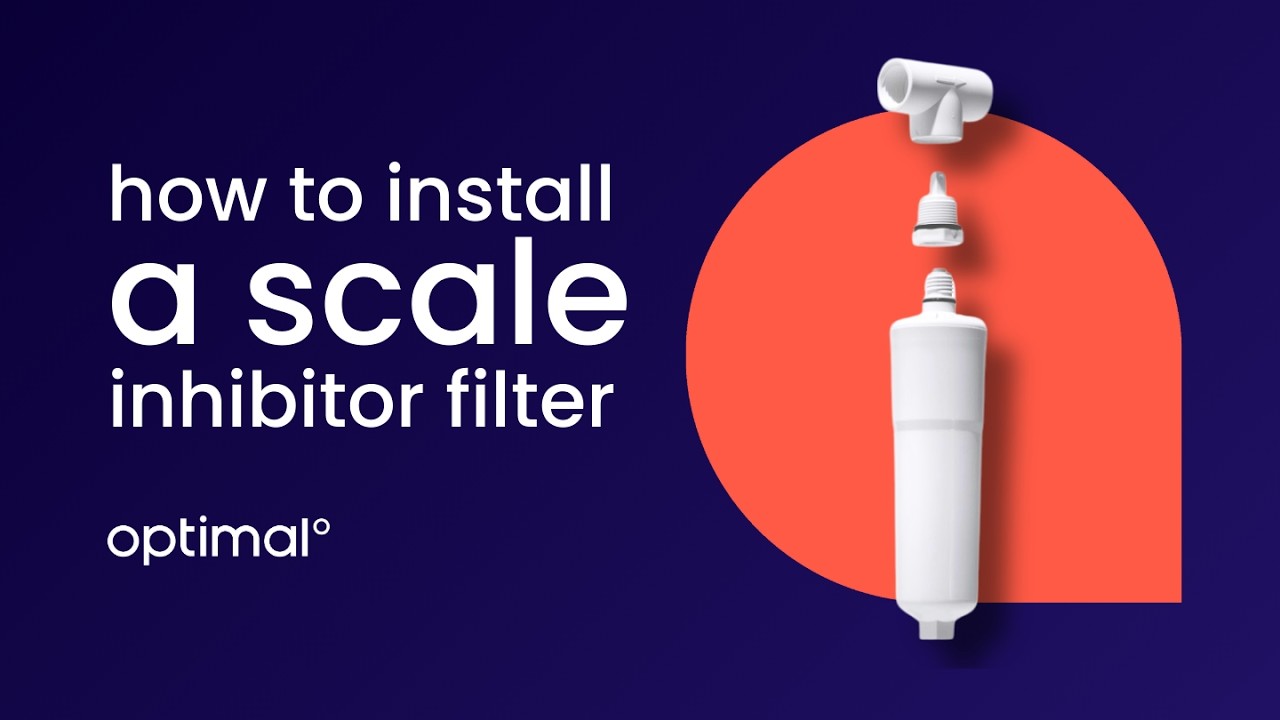
Most inhibitors are either a small cartridge you screw into the water line or a little bottle of liquid you add periodically. It’s honestly easier than changing the filter on your refrigerator. I’m not kidding—you could do it while your coffee brews.
How It Saves You More Than Just Your Shower
Using a scale inhibitor is like giving your water heater a daily multivitamin. It prevents the buildup that causes loud popping noises (yes, scale makes your heater sound like a cereal bowl). It also stops that weird metallic taste hot water sometimes gets.
And here’s a fun fact: scale is a great insulator for heat—which is terrible for efficiency. A layer of scale just 1/16th of an inch thick can reduce your heater’s efficiency by 15 to 20 percent. That’s like throwing a coat on a radiator and wondering why the room stays cold.
That wasted energy shows up on your utility bill. You’re basically paying for scale to sit there and laugh at you. A $30 bottle of inhibitor is way cheaper than a $200 electric bill hike.
 Amazon.com: AQUA CREST AP431 Whole House Scale Inhibitor with Adapter
The “Oops, I Forgot” Story
My neighbor Gary bought a fancy tankless heater and forgot about scale for two years. When his water started sputtering like a broken lawn sprinkler, he called a plumber. The plumber pulled out a chunk of scale the size of a candy bar.
Gary’s heater was shot. He had to buy a new one—$1,200 gone. All he needed was a $15 inhibitor cartridge every six months. He now calls it his “dumb tax.” Don’t pay the dumb tax.
Another friend, Sarah, lives in an area with very hard water. She started using an inhibitor the day her heater was installed. Three years later, it runs like the day she bought it—no noise, no wobbles, no surprises.
Is It Hard to Set Up? Not Even a Little
You don’t need a plumber. Most inhibitors screw right onto your existing water line, like attaching a garden hose. Some models even have a built-in timer that beeps when it’s time to replace the cartridge.
If you can change a lightbulb, you can install a scale inhibitor. And if you can unscrew a ketchup bottle, you can definitely replace the cartridge. It’s that simple.
For the liquid kind, you just pour a capful into your system’s clean-out port once a month. I keep mine in the laundry room next to the detergent so I don’t forget. It’s like a little ritual: laundry day, inhibitor day.
What About Vinegar Flushing?
You might have heard about “flushing” your tankless heater with vinegar. That’s like doing a deep-cleaning scrub for your oven—it works, but it’s a hassle. You have to turn off the power, hook up hoses, and run a pump for an hour.
Scale inhibitors are the preventive approach. It’s like brushing your teeth instead of waiting for a cavity and needing a root canal. Both work, but one is way more pleasant and cheaper.
Flushing is still good once a year for heavy-duty maintenance. But if you use an inhibitor, you can stretch that to every two or three years. Your back will thank you.
The Bottom Line (No Pun Intended)
Your tankless water heater is a champ—quiet, efficient, and always ready for a long, steamy shower. But it’s not invincible. Scale is its Kryptonite, and a scale inhibitor is its superhero cape.
So next time you enjoy that endless hot water, give a little nod to the tiny device keeping the bad stuff at bay. Your water heater will live longer, your energy bills will be lower, and you’ll never suffer the “wibbly-wobbly shower surprise” again.
Go ahead, pick up a cartridge or a bottle. It’s a small, easy step that pays for itself—and saves you from cold mornings, grumpy plumbers, and the dreaded dumb tax. Your future, warm-to-the-bones self will be so grateful.
