Are Water Softeners Bad For Water Heaters

Let’s be honest: water softeners have a bit of a reputation. They’re the helpful, slightly nerdy friend who insists on organizing your spice rack. Are they bad for water heate...
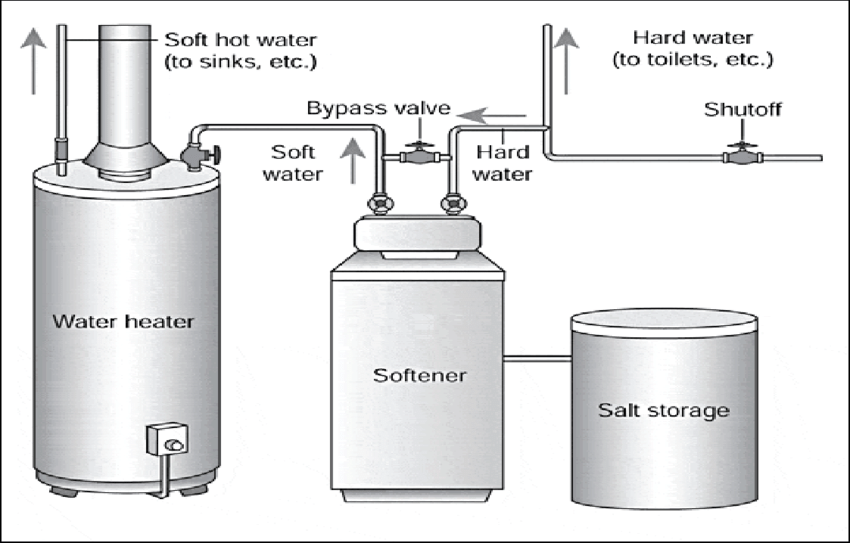
Let’s be honest: water softeners have a bit of a reputation. They’re the helpful, slightly nerdy friend who insists on organizing your spice rack. Are they bad for water heaters? It’s a question that bubbles up more often than a forgotten pot of pasta.
The short answer? No, water softeners are not bad for water heaters. In fact, they’re often the unsung heroes of your home’s plumbing system.
Think of hard water as that friend who never returns your Tupperware. It leaves behind a crusty residue—limescale—that clings to heating elements like a stubborn barnacle. A water softener removes the minerals that cause this, specifically calcium and magnesium.
Must Read
The Science of Softness (Without the Lab Coat)
Hard water is basically a mineral bath for your pipes. When heated, those minerals precipitate out and form a rock-hard layer inside your tank. This insulation makes your heater work harder and longer, driving up your energy bill by as much as 15-30%.
A water softener swaps those hard minerals for softer sodium or potassium ions. The result? Cleaner pipes, better heat transfer, and a water heater that lives a longer, happier life. It’s like giving your tank a daily spa treatment.
One study from the Water Quality Research Foundation found that water heaters in softened water maintained 98% of their original efficiency over 15 years. Hard water heaters? Their efficiency dropped by nearly half.
The Tankless Twist
But here’s where it gets spicy, like a hot gossip column. Tankless water heaters are the divas of the plumbing world. They are incredibly sensitive to scale buildup, which can clog their tiny heat exchangers and cause expensive repairs.
For tankless models, a water softener isn’t just good—it’s essential. Many manufacturers actually require softened water to honor your warranty. Skip it, and you’re basically inviting limescale to a dance party inside your $2,000 heater.
The exception? Heat pump water heaters. These efficiency champs work differently, and some experts suggest they benefit from moderately hard water to balance pH levels. Check your manual—it’s your new best friend.
The Cultural Cure-All (and Its Quirks)
In the UK, kettles are a national treasure, and descaling them is a weekly ritual akin to Sunday roast. Americans tend to ignore the problem until their shower head sputters like a tired comedian. A water softener solves both problems before they start.
Here’s a fun, slightly awkward fact: soft water can feel slippery. That's because your soap lathers more effectively, leaving no mineral residue on your skin. You might feel like you haven’t rinsed off, but trust the process—you’re actually cleaner.
Also, sodium in softened water is negligible for most people. A glass of softened water contains about as much added sodium as a slice of bread. If you’re on a strict low-sodium diet, you can install a reverse osmosis system for drinking water.
Practical Tips for the Perplexed
Tip one: Install your water softener before the water heater, not after. The connection should be direct and clear—think of it as a VIP lane for soft water. Don’t soften outdoor spigots; plants prefer hard water’s minerals.
 Are Water Softeners Bad for Water Heaters? | Oceanside, CA
Tip two: Check your heater’s anode rod. This sacrificial metal part attracts corrosion so your tank doesn’t. Soft water can dissolve an aluminum rod faster, so consider a powered anode rod for a longer life. It’s a $50 upgrade that saves you $500.
Tip three: If you have a gas water heater, softened water improves combustion efficiency. Less scale on the bottom of the tank means more heat goes into your water, not into warming a rock. Your gas bill will thank you.
The Big Myth: Corrosion and Salt
The fear mongers will whisper: “Salt water corrodes metal!” They’re half right. Salt is corrosive, but softened water isn’t salt water. The ion exchange process removes salt by-products. The water that enters your heater is just water—with a trace of sodium.
Think of it this way: ocean water is salty. Softened water is more like a glass of water next to a salt shaker—they’re neighbors, not roommates. Your water heater is safe.
Fun fact: The average American household spends about $150 extra per year on energy due to limescale buildup. A water softener costs less than that annually to maintain. Do the math—your wallet is already softening.
A Simple Weekend Check
You don’t need a lab. Fill a clean glass bottle with tap water, add a few drops of dish soap, and shake. If it forms cloudy, bubbly suds, your water is soft. If it looks like a milky mess with few bubbles, you’ve got hard water.
Another test: check your shower door or kettle. If you see white, crusty deposits, that’s limescale waving hello. Your water heater is probably waving back—in distress.
Pro tip: If you’re still worried, hire a plumber to flush your heater annually. It removes any sediment (from hard or soft water) that settles at the bottom. It’s cheap insurance.
Final Reflection: The Quiet Steward
Your water heater works silently, tirelessly, twenty-four-seven. It doesn’t ask for praise or a birthday party. It just wants clean, gentle water flowing through its veins. A water softener is that quiet friend who makes sure you don’t burn out.
In a world obsessed with the next big upgrade, sometimes the best investment is the one you never see. Softened water keeps your showers smooth, your energy bills low, and your water heater humming along for years. That is a kind of comfort worth pouring into.
So go ahead, soften up. Your water heater, your skin, and your future self will thank you. You might even start skipping the Saturday descaling ritual—and that, my friend, is a small but satisfying victory.
