Is Distilled Water The Same As Pure Water

Alright, let’s settle this once and for all: is distilled water the same as pure water? Grab a comfy chair, maybe a snack (just not near the distilled water), and let’s dive i...
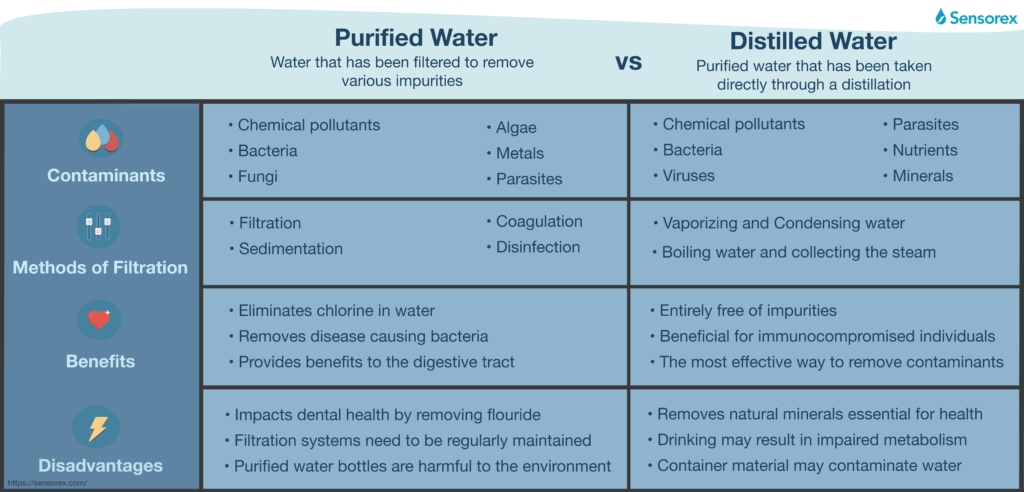
Alright, let’s settle this once and for all: is distilled water the same as pure water? Grab a comfy chair, maybe a snack (just not near the distilled water), and let’s dive in.
The Great Water Identity Crisis
You’ve probably seen both terms tossed around like confetti at a science fair. Distilled water sits in a jug at the pharmacy, while “pure water” sounds like a marketing dream from a fancy bottle.
But here’s the truth: they are not the same thing, but they’re also not total strangers. Think of them as cousins who went to different schools—both clean, but with different résumés.
Must Read
Let’s start with the basics. Pure water is a bit of a unicorn in the real world. In chemistry, “pure water” means only H₂O molecules—no minerals, no bacteria, no dissolved gases, no nothing.
But good luck finding that in nature! Even rain, which seems pretty clean, picks up dust and gases as it falls. So “pure water” is more of a theoretical ideal than a grocery store item. It’s like saying you’ll eat a “perfectly healthy meal” while standing in front of a pizza buffet—possible, but rare.
Enter Distilled Water: The Party Guest
Distilled water is a type of pure water—but with a specific backstory. It’s made by boiling water into steam, then condensing that steam back into liquid. It’s like giving water a sauna session and a cold shower, all in one go.
This process strips away almost everything: minerals like calcium, magnesium, and iron, plus bacteria, viruses, and even some chemicals. What’s left is nearly pure H₂O, but not quite 100% pure.
Why “nearly”? Because some volatile compounds (like certain alcohols or gases) can hitch a ride with the steam. So distilled water is extremely pure, but it’s not the Holy Grail of absolute purity. It’s the 99.9% clean friend who still has one questionable sock.
So, What’s the Difference?
Imagine you’re trying to make the perfect cup of coffee. Pure water is the water in a chemistry textbook—nothing in it but H₂O. Distilled water is the water you get after boiling your kettle and catching the steam.
Distilled water is a method to get close to pure water, but it can still carry tiny traces of what it touched. Pure water, on the other hand, is the end goal—a Platonic ideal that’s hard to reach without a serious lab.
In everyday life, most people use “pure water” loosely to mean water that’s safe to drink and free of contaminants. But rigorously speaking, distilled water is not identical to pure water—it’s just the closest we can practically get without building a billion-dollar facility.
Can You Drink It? (And Should You?)
Here’s where things get a little silly. Yes, you can drink distilled water—technically. But it tastes flat and weird because it lacks those tasty minerals that make tap water or spring water feel… alive.
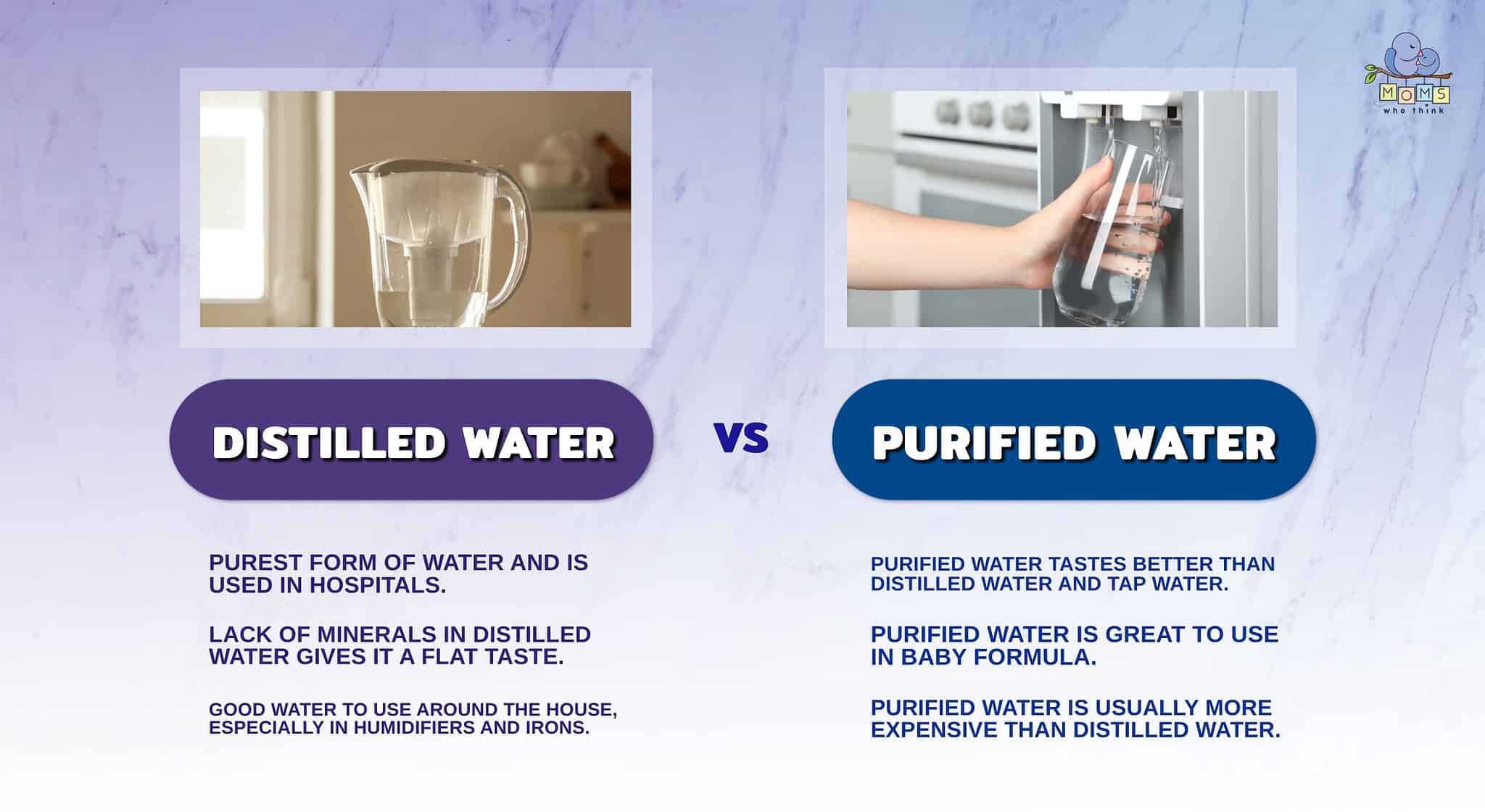 Distilled vs. Purified Water: 4 Differences & Health Benefits
Drinking it long-term might actually be bad for you because it leaches minerals from your body. Your teeth bones and cells really miss calcium and magnesium. It’s like eating a salad with no dressing—it’ll keep you alive, but you won’t enjoy it.
Distilled water is better saved for for irons, car batteries, or humidifiers—those gadgets love it because it leaves no mineral deposits. Your taste buds? Not so much.
The Real-World Verdict
If you see a bottle labeled “pure water” at the store, check the fine print. It’s often just filtered or spring water with a fancy name. Distilled water will proudly say “distilled” right on the label—no mystery there.
So, distilled water is a form of highly purified water, but not the absolute zero-impurities definition of pure water. It’s like saying a car is “clean” after a wash—you’re close, but a detailer could still find a dust speck.
In summary: Distilled water is not the same as pure water—it’s a specific, purified version. But for most of your non-drinking needs, it’s the superhero you didn’t know you needed.
Uplifting Conclusion: You’re Already Hydrated in All the Right Ways
Here’s the thing: you don’t need perfect, theoretical pure water to live a beautiful life. The tap water in your kitchen, the bottled spring water on your picnic, and yes, even the distilled water in your iron—they each have a job, and they do it well.
Water is amazing because it adapts. It can be a cloud, a river, a sneaky splash, or a steam shower. Life doesn’t require perfection—it requires connection. And water connects everything: your coffee, your tears, your laughter, and even the rain that falls on your garden.
So next time you pour yourself a glass of water—whatever kind it is—remember: you’re not just hydrating your body. You’re joining a beautiful, messy, pure-enough cycle that’s been happening for billions of years. And that, my friend, is absolutely wonderful.
Now go enjoy a drink—preferably one with minerals in it. Your taste buds (and your bones) will thank you. 😊
