Water Purification Systems For Well Water

You know that feeling when you pour a glass of water from your tap, and it smells a little like you just visited a garden center? Or maybe it leaves a weird, metallic taste th...

You know that feeling when you pour a glass of water from your tap, and it smells a little like you just visited a garden center? Or maybe it leaves a weird, metallic taste that makes your morning coffee taste like a coin. If you’re on well water, you’re not alone—you’re drinking from the earth’s own plumbing, which is awesome, but it comes with its own quirks.
Well water isn’t treated by a big city plant. It’s all natural, straight from the ground, bringing along a little suitcase of minerals, sediment, and sometimes uninvited guests like bacteria. Think of it like a farmer’s market tomato: amazing flavor, but you’ve got to wash the dirt off.
Why you should care (and not just because of the taste)
Let’s be real—nobody wants to shower in water that leaves your hair feeling like straw. Hard water minerals like calcium and magnesium can coat your skin, dry out your hair, and make your soap act like a grumpy toddler that won’t lather. I once had a friend whose white towels turned orange after a year of well water—imagine your laundry getting a permanent tie-dye you didn’t ask for.
Must Read
But it goes deeper than bad hair days. Sediment like sand or silt can slowly destroy your water heater, dishwasher, and even your pipes. That’s like letting a tiny, persistent beagle chew on your furniture for years—eventually, something breaks. A filtration system saves you from expensive repair bills and keeps your appliances happy.
The “ugh, what’s that smell?” problem
Ever turned on the faucet and thought, “Is that rotten eggs?” That’s usually hydrogen sulfide gas—totally natural, but totally gross. It’s not harmful at low levels, but it’ll make you avoid your own kitchen sink like it’s haunted. A good water filter can send that smell packing, so your water tastes like water, not a sulfur spring.
And then there’s iron. It sneaks into well water and gives everything a rusty brown tint. Imagine washing a white shirt and pulling it out looking like a sunset. A filter system tackles that iron so your clothes stay crisp and your bathtub doesn’t look like a crime scene.
What kind of system feels right for your house?
Here’s the fun part—there’s no one-size-fits-all magic box. You get to pick your own adventure based on what’s in your water. The first step is getting a simple test kit or calling a local lab. It’s like a blood test for your home—discovering if you have too much iron, bacteria, or just polite amounts of minerals.
If your water is mostly clear but tastes a bit metallic, a whole-house sediment filter paired with a carbon filter is your best buddy. It’s like putting a bouncer at your home’s main water door—nothing nasty gets past. If you’ve got serious bacteria issues (like from a shallow well), you might need UV light purification, which zaps germs without chemicals. Think of it as a tanning bed for your water, but way cooler and safer.
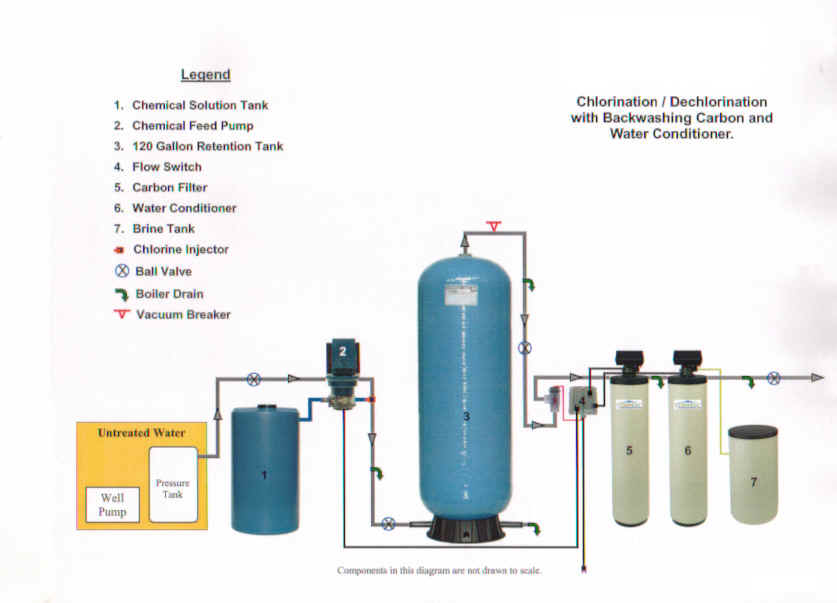 Types Of Well Water Treatment Systems at Brooke Fitzroy blog
For those with hard water galore, a water softener is a lifesaver. It swaps out those clingy calcium ions for sodium or potassium, making your water feel silky and your shampoo actually foam up. I remember my cousin installing one—his first shower after that felt like a spa day in his own bathroom. He started taking longer showers just for fun.
The price tag: coffee money or car payment?
Listen, I’m not going to say it’s cheap—but it’s way cheaper than replacing your water heater every three years. A basic sediment filter setup can run you $200–$500, while a full-spectrum system with UV and softener might cost $1,000–$3,000 installed. You can even do some DIY if you’re handy (I’ve seen a dad install one in a weekend with a PVC pipe and a YouTube video).
Think of it like an umbrella: you don’t have to buy the fanciest one, but when it pours—and well water will pour you some surprises—you’ll be dry and happy. You’ll save money on bottled water, detergent, and appliance repairs, and your water will taste like a fresh mountain spring, not a rusty garden hose.
Your well, your rules
At the end of the day, you don’t need to be a scientist to fix your well water. A little filter goes a long way in making your home feel cozier. Imagine brewing coffee with water that tastes clean, taking baths that leave your skin soft, and never dodging that “rotten egg” smell again. That’s not luxury—that’s just good living.
So, go ahead and test your water. Talk to a friendly plumber or read some reviews online. Your home is your castle, and your well water should be the cleanest moat around. Treat yourself—and your pipes—to a little love. Your future showers and coffee cups will thank you.
