Advantages Disadvantages Of Water Softener

You know that weird, white film on your glassware or that squeaky feeling after a shower? That’s hard water, my friend, and it’s basically nature’s way of throwing a tiny mine...

You know that weird, white film on your glassware or that squeaky feeling after a shower? That’s hard water, my friend, and it’s basically nature’s way of throwing a tiny mineral party in your pipes. A water softener is like the bouncer at that party, kicking out the calcium and magnesium responsible for all the drama. But is it totally worth the hype? Let’s dive in with a chill, curious vibe and see what’s really going on.
The Cool Stuff: Why You Might Love a Water Softener
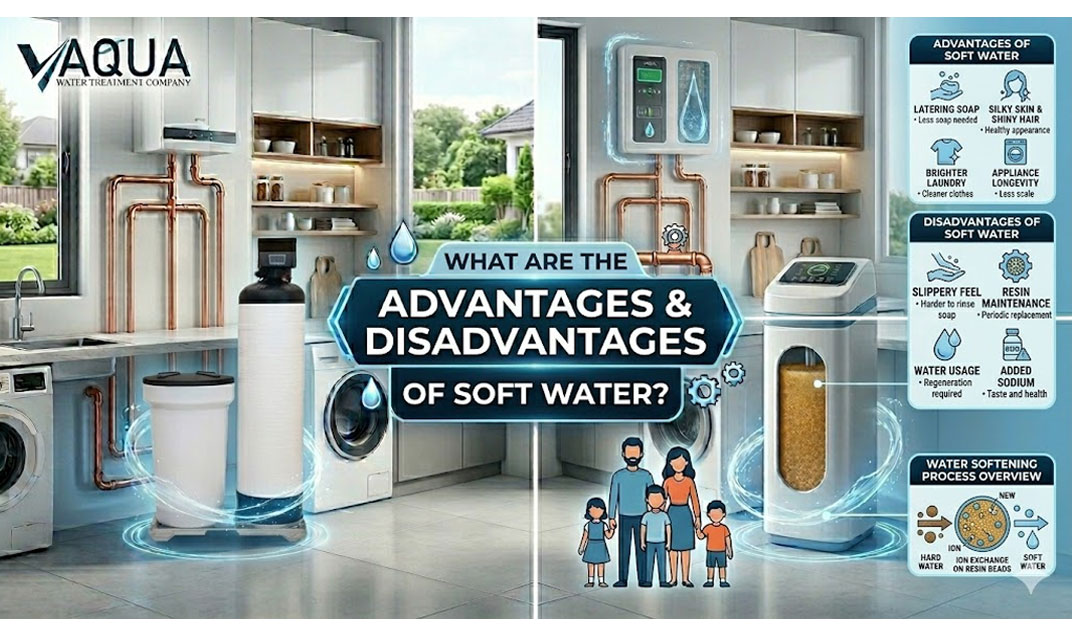
First up, imagine your soaps and shampoos going into hibernation mode. Soft water makes lather explode into a fluffy cloud, meaning you use way less product. It’s like having a magic wand that makes your laundry detergent last three times longer. Who doesn’t love saving a few bucks on the boring stuff?
Then there’s the skin and hair thing. Hard water leaves a mineral residue that can make your hair feel like straw and your skin dry and itchy. A softener basically gives your scalp a vacation at a spa. You’ll walk out of the shower feeling silky, not chalky.
Must Read
And your appliances? Oh, they’ll throw a thank-you party. A water heater with hard water has to work way harder, like running a marathon in sand. Soft water keeps the pipes clear, so your dishwasher and washing machine live longer and use less energy. Isn’t that just a nice, responsible feeling?
The Not-So-Secret Downside: What’s the Catch?
Okay, let’s be real—nothing’s perfect. The biggest party foul is the salt. Most softeners dump sodium into your water during the process. If you’re watching your salt intake or have high blood pressure, this could be a buzzkill. You might need a separate reverse-osmosis system just for your drinking water tap.
Another thing: that squeaky clean feeling? Some people actually hate it. After a soft-water shower, you might feel like you’ve never fully rinsed off the soap. It’s a weird, slippery sensation that takes getting used to. Ever tried washing your face with a water softener and felt like you were covered in a thin film? It’s not for everyone.
Let’s talk about money, because nobody likes a surprise bill. Buying a whole-house water softener can cost anywhere from a few hundred to a couple thousand bucks. Then you’ve got ongoing costs for the salt pellets and maybe more frequent maintenance. It’s like adopting a pet that needs a steady diet of blue crystals.
Comparisons to Make You Smile
Think of a water softener as a coffee filter for your home. Without it, you get bitter, gritty coffee (hard water). With it, you get a smooth, clean cup (soft water). But sometimes, that filtered coffee can taste a bit flat or one-note—just like soft water can feel boring to your palate.
 What Are the Advantages & Disadvantages of Soft Water? - V Aqua
Or imagine your plumbing is like a human heart. Hard water is like a diet of greasy fast food; it clogs the arteries (pipes) over time. A softener is like a vegan cleanse. Your pipes feel great, but you might miss the occasional cheesy pizza—those minerals, after all, are what make hard water taste kind of … spirited?
So, Should You Do It?
Here’s the real talk: it depends on where you live. If your water tests as “very hard” (think over 10 grains per gallon), a softener is probably a game-changer. You’ll see immediate results in your showers and your coffee pot. But if your water is only moderately hard, you might be fine with a simple pitcher filter or a descaling jug for your kettle.
Also, consider your garden. Soft water (with extra sodium) is terrible for your plants—they much prefer the minerals in hard water. You’ll need an outdoor tap bypass to keep your roses happy. It’s a minor thing, but if you’re a plant parent, you can’t ignore it.
Ask yourself this: Are you tired of scrubbing cloudy spots off your dishes, or do you just not care? A water softener is a tool for convenience and long-term savings, not a miracle cure. It’s a trade-off between a little extra effort (buying salt, adjusting taste) and a lot of shiny, soft benefits.
At the end of the day, it’s about what makes your home feel yours. If the idea of a slippery shower and a salt subscription makes you cringe, skip it. But if you want your glassware to sparkle and your skin to feel like butter, give it a try. Just remember: it’s water, not magic—even though it sometimes feels that way.
