Which Is Stronger Cold Brew Or Iced Coffee

Let’s settle a summer debate that’s as old as the thirst for a caffeine fix on a sweltering afternoon: Which is stronger, cold brew or iced coffee? The answer isn’t as simple...
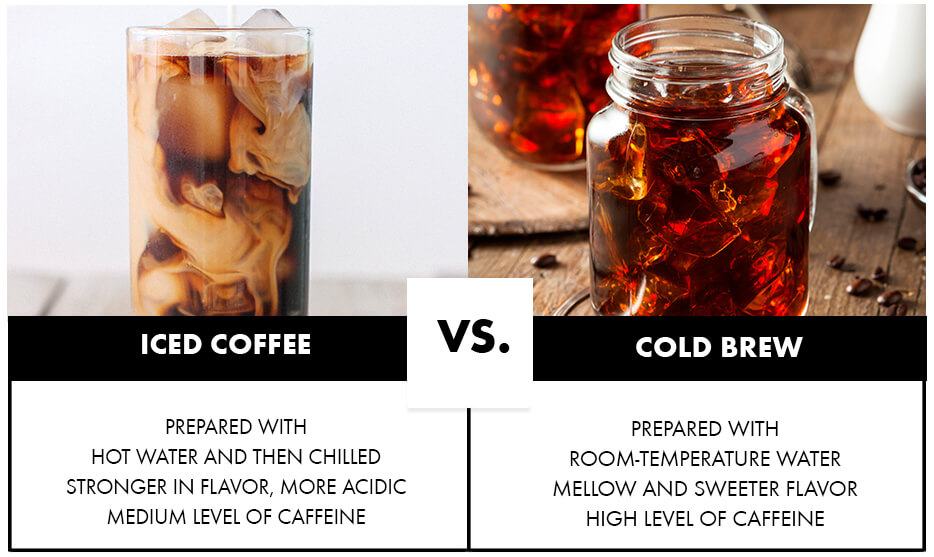
Let’s settle a summer debate that’s as old as the thirst for a caffeine fix on a sweltering afternoon: Which is stronger, cold brew or iced coffee? The answer isn’t as simple as grabbing a bag of beans, but we’re here to dive in, sip by sip. Spoiler alert: the real winner is your personal taste, but the science is fascinating.
The Caffeine Smackdown
When people ask about “stronger,” they usually mean caffeine content. And on that front, cold brew is the undisputed heavyweight champion. Because cold brew steeps for 12 to 24 hours, it extracts more caffeine molecules from the same amount of coffee grounds than hot water ever could.
Iced coffee, on the other hand, is just hot-brewed coffee poured over ice. It’s quick, it’s classic, but it’s diluted by the melting cubes. A standard 16-ounce iced coffee might pack around 165 milligrams of caffeine, while the same size cold brew can easily hit 200 to 250 milligrams. That’s a noticeable boost for your morning commute or a mid-afternoon slump.
Must Read
But here’s the fun fact: cold brew’s caffeine can sneak up on you. It feels smooth and dangerously easy to drink, making you forget you’re basically sipping rocket fuel. Iced coffee announces itself with a sharper bite.
Flavor and Acidity: The Real Battle
Strength isn’t just about caffeine—it’s about flavor intensity. If you’re a flavor-chaser, iced coffee wins on complexity. The hot brewing process releases aromatic oils and acidity that give you bright, fruity, or floral notes. It’s like a jazz improvisation—wild and expressive.
Cold brew, by contrast, is the smooth, mellow crooner. The cold extraction mutes the acidity, leaving behind a silky, chocolatey, and almost sweet profile. It’s why cold brew is often described as “gentle” even when it’s a caffeine bomb. Think of it as the difference between a sharp espresso martini and a lazy iced latte on a porch swing.
For those with sensitive stomachs, cold brew’s low acidity is a godsend. It’s the gentle giant of the coffee world. Iced coffee can sometimes leave you reaching for antacids, especially if you’re a rank-and-file drip drinker.
The Cultural Angle: From Grandma’s Pitcher to Instagram
Iced coffee has deep roots in American summers—think of the classic diner setup with a glass of brown liquid and a sweating straw. It’s the coffee of road trips, beach days, and waiting for the AC to kick in. Cold brew is the new kid that exploded in the 2010s, fueled by artisanal coffee shops and #ColdBrewChallenges on social media.
Fun fact: cold brew was originally a Japanese innovation called “Kyoto-style” coffee, where it would drip slowly through a tower of ice. Today, you can make it in a mason jar in your fridge. It’s gone from ritualistic to democratized, and that’s a beautiful thing.
Iced coffee, meanwhile, is the rebellious teenager—quick to make, easy to mess up (please don’t pour hot coffee over thin ice), and always ready for a second cup. Both have their cultural moments, but cold brew feels like the slow-living vibe, while iced coffee is the go-getter’s fuel.
Practical Tips for Your Daily Cup
1. Make cold brew ahead of time. Mix coarse grounds with cold water at a 1:4 ratio, let it sit in the fridge for 12–18 hours, then strain. You’ll have a concentrate that lasts a week. It’s basically coffee meal prep.
 Is Cold Brew Stronger Than Espresso? - Cooks & Coffee
2. For iced coffee, double-brew it hot. Use double the coffee grounds or a slightly stronger ratio. Then let it cool to room temperature before pouring over ice. This prevents that dreaded watery taste. Your taste buds will thank you.
3. Want the best of both worlds? Try a “flash brew”—pour hot coffee directly onto a full glass of ice. It locks in flavor and keeps caffeine high without the long wait. It’s the compromise that never disappoints.
4. Always taste before adding milk or sugar. Cold brew is naturally sweeter, while iced coffee can be bitter. Adjust accordingly, or just embrace the bitterness as a character builder. Life’s too short for bad coffee.
The Verdict: A Personal Choice, Not a War
So which is stronger? If you’re measuring by caffeine, cold brew wears the crown. If you mean bold, upfront flavor, iced coffee takes the trophy. But here’s the honest truth: strength is subjective. It’s about how you feel when you drink it, not just the milligrams on a label.
Iced coffee is the crash—bright, wild, and a little chaotic. Cold brew is the steady hum—calm, patient, and quietly powerful. Both serve a purpose, and neither is wrong. The real strength is in knowing what you need in that moment.
Next time you order, ask yourself: Do I want to be woken up with a punch, or gently guided into the day? The answer is your perfect cup. And if you’re really stuck? Make both. That’s the modern way.
In the end, the strongest coffee is the one that fits your rhythm. Cold brew for lazy Sunday mornings with a book. Iced coffee for Tuesday afternoons when you need to finish that report. Both are just methods—the magic is in the ritual.
So, take a sip, lean back, and remember: life is like coffee—sometimes strong, sometimes smooth, but always better when shared with a little intention. Cheers to that.
