Water Leaking From Bottom Of Pressure Tank

So, you’ve spotted a puddle under your pressure tank. Not the kind of surprise you want on a Tuesday morning, right? But before you panic, let’s get curious about what’s actua...
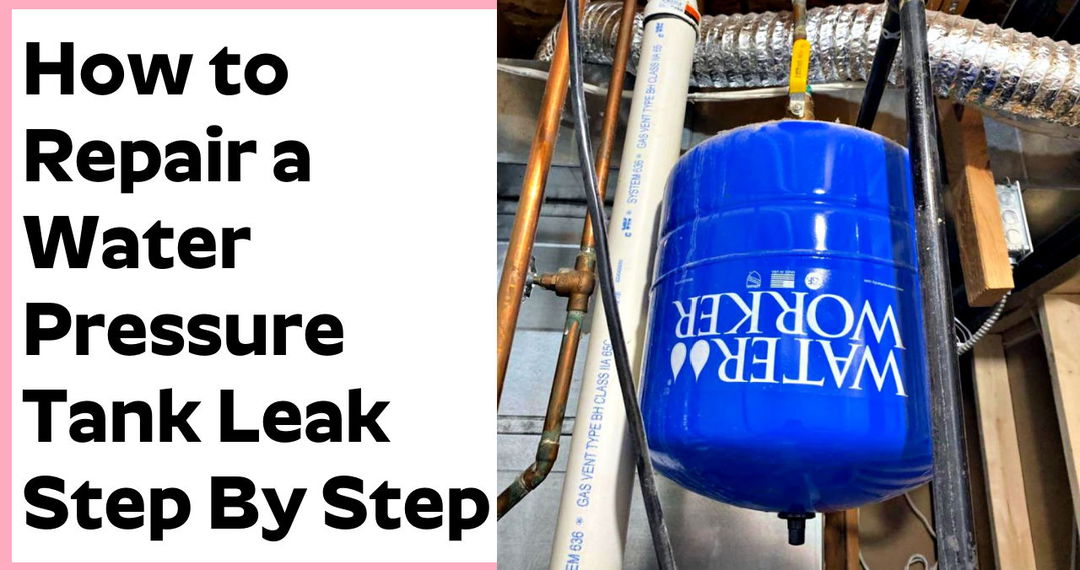
So, you’ve spotted a puddle under your pressure tank. Not the kind of surprise you want on a Tuesday morning, right? But before you panic, let’s get curious about what’s actually happening down there. Trust me, this little leak is trying to tell you a story.
First, what’s a pressure tank doing anyway?
Think of it as the heart of your well water system. It keeps water ready and pressurized so you don’t have to wait for a pump to kick on every time you flush. It’s basically a balloon inside a metal can—water squeezes against air, giving you that satisfying shower pressure. Pretty cool, huh?
So when water starts dripping from the bottom, it’s like your tank is saying, “Hey, something’s off in here.” It’s not just a random leak—it’s a clue.
Must Read
The usual suspect: a worn-out air bladder
Most pressure tanks have a rubber bladder inside that separates the water from the air. Over time, that rubber gets tired and develops a tiny hole. Like a bicycle tire that pops after a long ride. When that happens, water sneaks into the air side of the tank, and guess where it exits? Straight out the bottom valve or a seam. Fun fact: you might also hear a hissing sound—that’s the air escaping, like a slow-motion balloon deflating.
Why is this interesting? Because it shows you how physics works in your own home. The tank was designed to be a perfect balance, and now it’s out of whack. It’s a real-life example of pressure, volume, and failure—all in your basement.
Another possibility: the valve is just being dramatic
Sometimes it’s not the bladder at all. The little Schrader valve (the one that looks like a bike tire valve) could be loose or dirty. Or maybe the drain valve at the bottom isn’t fully shut. Imagine a soda bottle with a slightly open cap—fizzles out slowly. That’s your tank, just leaking a bit of water pressure.
You can check this yourself: dry the area, then watch where the drip comes from. Is it from the valve stem or the seam? The valve is a quick fix—tighten it or replace it for a few bucks. The seam? That’s a bigger deal, like a cracked mug.
But here’s the super cool part: you’re diagnosing a system
This isn’t just a puddle—it’s a mystery. Your tank is part of a whole circuit: well pump, pressure switch, pipes, and you. A leak at the bottom tells you the tank’s internal balance is failing. Compare it to a teeter-totter: when the air side loses pressure, the water side wins, and out it goes. You’re basically learning how hydraulics work in slow motion.
And don’t stress—most homes have a “dry” spot where the air is supposed to stay. When water shows up there, it’s like finding snow in the desert. Unexpected, but totally explainable.
 Well Water Tank Leaking | How To Fix Well Pressure Tank – CUXFZ
So, should you call a pro or fix it yourself?
Here’s the honest answer: if the bladder is gone, you’ll likely need a new tank. But that’s not a disaster—it’s a ritual. Every pressure tank has a lifespan, like a lightbulb or a pair of running shoes. And replacing one is oddly satisfying: you get to see the inside, hear the new “thump” of the pump working smoothly, and feel like a plumbing wizard.
If it’s just a valve, though—go ahead, tighten it or swap it. It’s like changing a faucet washer. Easy, cheap, and you’ll feel like MacGyver.
What happens if you ignore it?
Well, the pump will start cycling more often (short cycling), wearing it out faster. Imagine running a marathon every day instead of a jog. Eventually, the pump burns out, and that’s a much bigger headache. So that tiny leak? It’s a warning light on your dashboard. Listen to it.
Plus, water on the floor can lead to mold, rust, or a slippery surprise. Not fun, but totally avoidable.
Final thoughts: leaks are just physics being chatty
Next time you see water under the tank, don’t groan—get curious. Ask: “Is my bladder tired? Is the valve loose? Is the air pressure off?” You’re not just fixing a leak; you’re having a conversation with your house. And your house is always trying to tell you something.
So grab a towel, check the valve, and maybe give your tank a pat. It’s been working hard for years. A little leak is just its way of asking for a check-up. You’ve got this.
