Buying A House Assume The Water Is Potable

There’s a moment in every house hunt where you stand in a stranger’s kitchen, staring at the faucet. You imagine the water running clear, cool, and safe—but you have no idea i...

There’s a moment in every house hunt where you stand in a stranger’s kitchen, staring at the faucet. You imagine the water running clear, cool, and safe—but you have no idea if it actually is. Assume the water is potable. It’s the golden rule of homebuying, and it might just save you from a very expensive surprise.
This isn’t about being reckless. It’s about shifting your mindset from paranoid detective to pragmatic optimist. When you assume the water is drinkable, you unlock a whole new level of calm in the chaos of offers, inspections, and closing costs.
The Great American Faucet Fantasy
We all have this romantic idea of turning on the tap in our new home and tasting pure, mountain-fresh hydration. It’s a cultural thing—think of every movie where someone buys a charming old fixer-upper and then fills a glass with a satisfied sigh. Reality check: that glass might contain lead, chlorine, or a hint of 1950s plumbing.
Must Read
According to the EPA, over 15 million U.S. households get their water from private wells. And while municipal water is heavily regulated, the pipes inside your dream home are your responsibility. The moment you assume potability, you stop relying on wishful thinking and start making a game plan.
Practical Tip #1: The 24-Hour Taste Test
Before you even sign the purchase agreement, ask the seller for a glass of tap water. Yes, really. Drink it slowly. If it smells like a swimming pool or tastes like metal, that’s a red flag waving faster than a Texas wind. You’re not being rude—you’re being a savvy buyer.
If it tastes fine, you’re golden. But never trust a single sample. Water quality can fluctuate with seasons, well levels, and recent repairs. That’s why you’ll want to build a simple, low-effort plan around the assumption that it’s good—until proven otherwise.
The Fun Fact That Changes Everything
Did you know that the average American home has 400 feet of plumbing inside its walls? That’s roughly the length of a football field of hidden pipes. And those pipes might be copper, PVC, or even lead if your house was built before 1986. Assume the water is potable—but also assume you’ll need to test those pipes within your first year.
A basic water test kit costs about $20 at a hardware store. For the price of two lattes, you get peace of mind. Test for lead, bacteria, nitrates, and pH balance. It’s not a chore—it’s a welcome ritual for your new home.
Practical Tip #2: The Coffee Maker Litmus Test
Here’s a hack from real estate agent friends: brew a pot of coffee with the tap water on your first morning in the house. If the coffee tastes flat or off, your water might have high mineral content. If it’s delicious, pour yourself a second cup and toast your good fortune. Your morning ritual is now your water inspector.
And if you’re buying a house with a well? Assume it’s potable, but treat it like a wild animal. Wells can be affected by nearby farming, run-off, or drought. A simple annual test is all you need to keep that assumption alive.
The Cultural Stigma of “Bottled Water” Houses
There’s a weird stigma around buying a house where you know the water isn’t great. People whisper, “Oh, they have to buy bottled water now.” But that’s outdated thinking. Modern filtration systems—under-sink reverse osmosis, countertop filters, or whole-house carbon units—are affordable and stylish. In fact, 1 in 3 American households now uses some kind of water filter.
Assume the water is potable, and then decide if you want to upgrade your experience. It’s like buying a car that runs fine, but you add leather seats for the joy of it. You’re not fixing a problem—you’re curating your lifestyle.
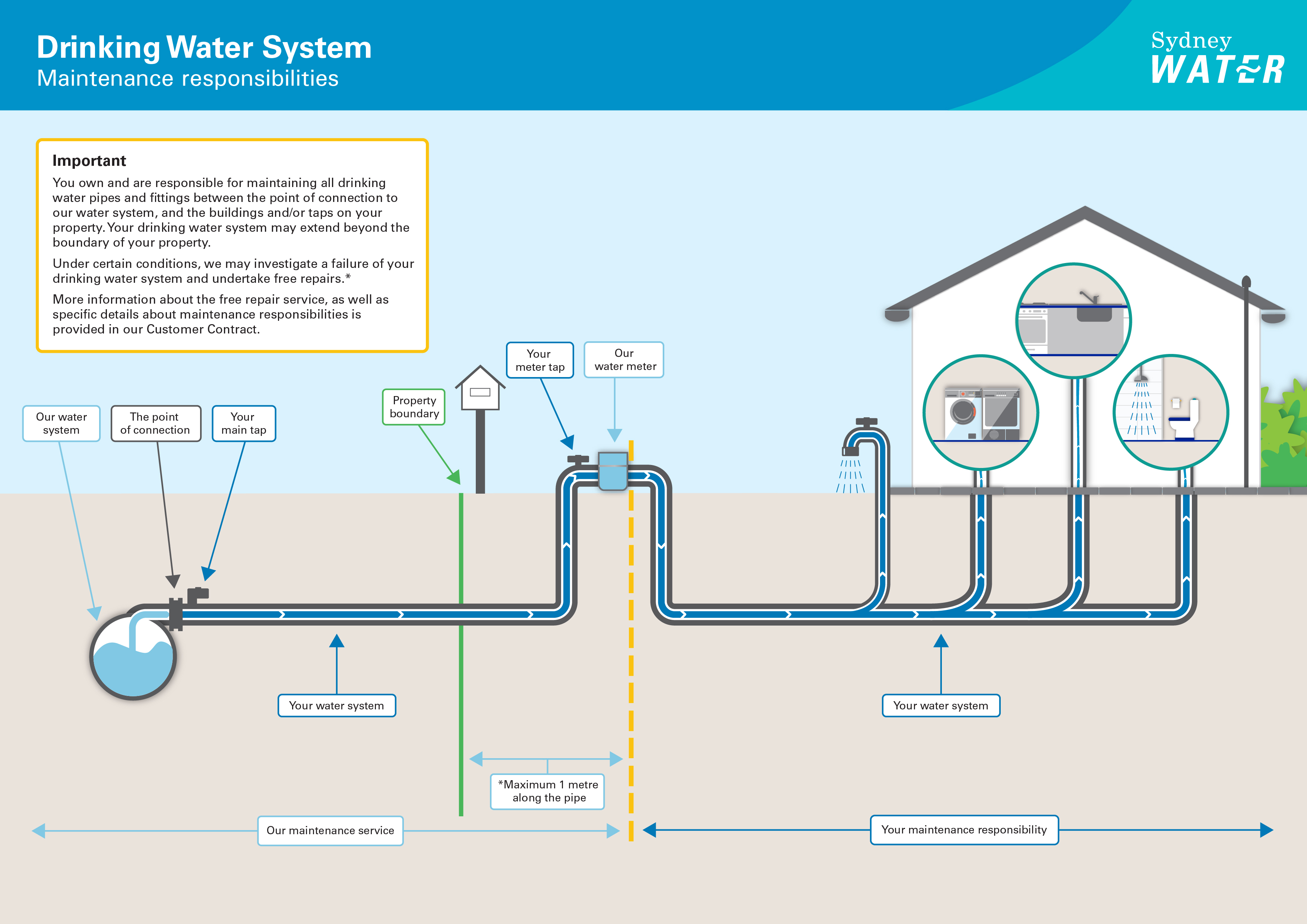 Household Water Systems Diagram Household Light Wiring Diagram
Practical Tip #3: The Rainwater Rule
If you’re looking at a house in a drought-prone area (looking at you, California and the Southwest), assume the water is potable but scarce. Check if the house has a rainwater catchment system, gray-water plumbing, or a smart irrigation controller. These features are increasingly common and can save you hundreds per year.
Fun fact: Austin, Texas, actually requires new homes to have a rainwater collection system by 2030. So if you’re buying a modern home there, you’re basically buying a house that comes with its own water supply.
When Assumptions Meet Reality
Here’s the truth: most houses have perfectly fine water. You’re more likely to trip over a loose floorboard than to discover a toxic well. The “assume it’s potable” mantra is really about reducing decision fatigue. House hunting is exhausting. You have to scrutinize rooflines, foundation cracks, and HOA fees. Let the water be a simple, low-anxiety check on your list.
I bought my first house in a neighborhood where the water smelled faintly of, well, earth. I assumed it was potable. I tested it. It was fine. I installed a $15 faucet filter for aesthetic peace of mind. That filter became a daily reminder that home is a place you choose to trust.
Practical Tip #4: The Plumber’s Secret
Talk to the previous owner’s plumber if you can. They’ll know if the water softener was a luxury or a necessity. They’ll casually mention if the well pump was replaced last year. Plumbers are the quiet sages of home buying—and they love a homeowner who listens.
And if you can’t talk to a plumber? Look at the water heater’s age. A water heater built after 2015 is a good sign that the home’s plumbing was updated with modern standards. Assume the water is potable, and let the water heater’s birth year be your clue.
The Reflection: A Glass of Water at Sunset
Fast forward to your first evening in your new home. You’re exhausted, surrounded by boxes, but the sun is setting through the kitchen window. You fill a glass from the tap. You drink it. It’s cold, clear, and yours.
That moment of hydration is the ultimate metaphor for homeownership: you don’t need to know everything to enjoy the good things. Assume the water is potable. Assume the creaky floorboards hold stories, not collapse. Assume this new address will become yours, not by perfection, but by daily use.
So go ahead. Buy the house. Drink the water. Trust the process. And if you’re ever in doubt, remember: hydration is the first luxury of a home that loves you back.
