Fda Bottled Water Shelf Life After Opening

Let’s talk about that bottle of water. You know the one. It’s been sitting on your nightstand for three days. You take a sip, and suddenly your brain yells: “Is this safe?” It...

Let’s talk about that bottle of water. You know the one. It’s been sitting on your nightstand for three days. You take a sip, and suddenly your brain yells: “Is this safe?” It’s a legit question. And the FDA actually has an opinion on it. Buckle up, because we’re diving into the wild world of bottled water shelf life after opening.
The Great Water Clock Mystery
First, a shocker: water itself doesn’t really expire. It’s just H2O. But your bottle? That’s a whole different story. Once you crack the seal, you invite the real party crashers: bacteria, dust, and your own backwash. The FDA doesn’t set a hard rule for “expiration” after opening. They leave it to manufacturers, who usually slap on a date for quality, not safety.
Think of it like this: your water won’t turn into poison. But it might start tasting like your gym socks. That’s because plastic bottles can leach chemicals over time, especially if they get warm. And micro-organisms from your mouth? They love a warm, dark bottle. It’s basically a tiny, gross hot tub.
Must Read
How Long Do You Really Have?
Most experts say three to five days is the sweet spot. After that, the flavor goes downhill fast. Leave it a week, and you’re basically drinking a science experiment. The FDA’s guidance is vague, but common sense shines here: if it smells weird, dump it. If it’s been sitting in your car under the sun, don’t even sniff it—toss it immediately.
Here’s a quirky fact: carbonated water goes flat faster than still water. That fizz is just carbon dioxide escaping. Once opened, it loses its sparkle in about 12 to 24 hours. Still water? It stays “fresh” longer, but not forever. And don’t forget the ice cube factor: if you add ice from your freezer, you introduce new bacteria. Congratulations, you’ve just turbo-charged the weird-tasting clock.
The Plastic Problem
Let’s talk about plastic, because it’s a tiny villain. Most bottled water comes in polyethylene terephthalate (PET) bottles. PET is safe, but it’s porous. Once opened, air gets in, and air carries microbes. A study found that after two days, opened bottles can have higher bacteria levels than your dog’s water bowl. Yikes.
But wait—there’s a twist. Your own mouth is the biggest contaminant. Every sip sends bacteria back into the bottle. If you sip directly from the bottle, you’re sharing germs with future-you. Drink from a cup instead, and your water stays fresher for up to a week. Who knew a glass could be a superhero?
Funny Stuff You Didn’t Know
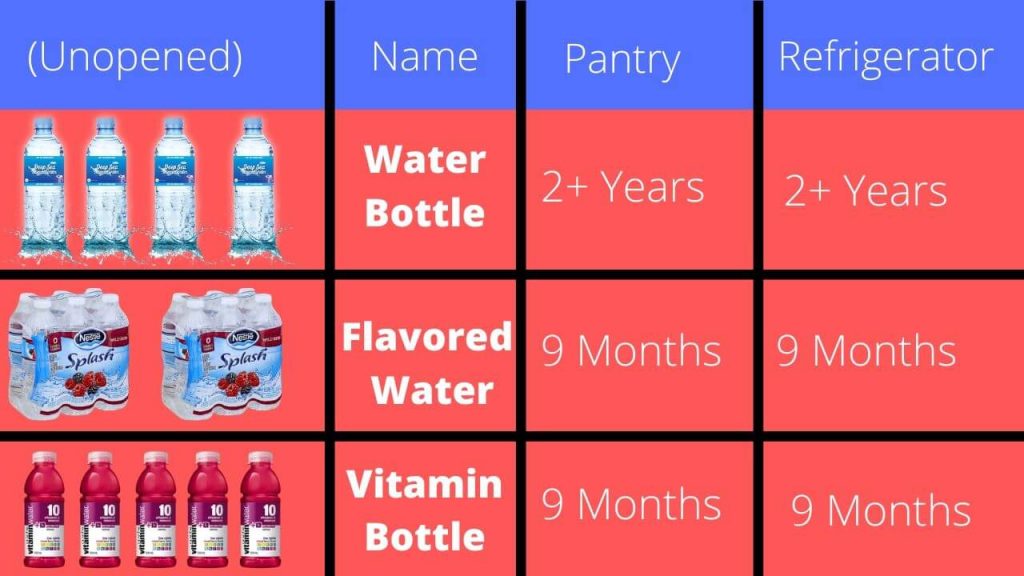
Here’s a ridiculous detail: the FDA doesn’t even require expiration dates on bottled water. That date you see? It’s voluntary. Manufacturers put it there to assure you the bottle is still sturdy. After two years, the plastic can start to degrade, making the water taste like a Tupperware party. But after opening? That date is useless. Your water’s shelf life now depends on your own spit.
 How Long Does Bottled Water Last - Decoding the Expiration Dates
Another gem: temperature is the real boss. Leave a bottle in a hot car, and bacteria double every 20 minutes. That’s faster than a microwave popcorn bag. The FDA warns that heat can cause chemicals to migrate from plastic to water. But let’s be real: most people survive this, and they just get a weird aftertaste. Still, please don’t drink water that’s been baking in July sun for three hours. It’s not worth the risk, or the taste.
What About Glass or Metal Bottles?
Glass and stainless steel are the cool kids of the water world. They don’t leach chemicals, and they’re less porous. After opening, water in a glass bottle can last five to seven days with a clean lid. Metal bottles? Even longer, because they block light. Light is a bacteria’s best friend—it warms the water and speeds up grossness. So if you want to push the limit, go for a metal thermos. Your taste buds will thank you.
But here’s the catch: if you refill a plastic bottle over and over, you’re playing with fire. The bottle gets scratched, and scratches are bacteria hotels. The FDA actually advises against reusing single-use plastic bottles. They’re designed for one journey, not a long-term relationship. So treat your bottle like a one-night stand, not a marriage.
The Final Sip
So, should you worry? Not really. If you drink your water within a day or two, you’re golden. The biggest risk is bad taste, not a trip to the hospital. Your body is tough enough to handle a few extra microbes. But if you’re a paranoid type, just sniff it. If it smells like damp basement, say goodbye. And never share a bottle with your friend who has a cold. That’s just common sense, not science.
The fun part? This whole topic is a perfect party trivia. Next time you’re at a dinner, drop this: “Did you know the FDA doesn’t regulate bottled water shelf life after opening? Your own mouth is the real timer.” Watch people squirm. Then pour yourself a fresh glass. You’ve earned it. Now go hydrate—but maybe grab a new bottle first.
