How Do You Fix A Waterlogged Pressure Tank

So, your well pump is running like a hyperactive hamster on espresso, your water pressure is doing a cha-cha between a trickle and a jet, and you hear a sound like a gurgling...

So, your well pump is running like a hyperactive hamster on espresso, your water pressure is doing a cha-cha between a trickle and a jet, and you hear a sound like a gurgling swamp creature from your basement. Congratulations—you’ve got yourself a waterlogged pressure tank. It’s not a great swimmer, and it’s definitely not a happy camper.
The Sad, Squishy Truth About Your Tank
Think of your pressure tank as a superhero sidekick to your well pump. It stores water and air pressure so your pump doesn’t have to turn on every time you flush or wash a grape. When it’s healthy, there’s a neat rubber bladder inside that separates water from a cushion of pressurized air. When it’s waterlogged, that air pocket has given up, drowned, and become one soggy mess—your tank is now just a heavy, useless water balloon.
Here’s the surprising fact: in a properly working tank, about two-thirds of the space is air, not water. The tank is a pressure cheat code, not a storage bin. When the air vanishes, your pump kicks on every time you open a tap, which is like asking a marathon runner to sprint for every single step you take. Your electricity bill will weep, and your pump will eventually die a dramatic, expensive death.
Must Read
Step One: The Diagnosis Dance (No Scrubs Required)
First, you need to confirm your tank is truly waterlogged. Go find your pressure tank—it’s usually a big blue or green metal cylinder near your well pump. Tap on it with your knuckles. A healthy tank sounds like a hollow thud, like knocking on a ripe watermelon. A waterlogged tank sounds dead, like knocking on a sandbag full of tears. If you hear water sloshing inside when you shake it, you’ve got the diagnosis: your tank is a sad aquarium.
Another dead giveaway: watch the pressure gauge on top. When you run water, does the needle drop instantly to zero and then the pump immediately kicks on? That’s a sign your tank has no air buffer left. Congratulations, you’re basically using a giant metal pickle jar as a water pipe—it works, but poorly.
The Quick Fix (For the Brave and Not-Too-Terrified)
If you have a “bladder-type” tank (most modern ones are), you might be able to fix it without calling a wizard. You’ll need a bicycle tire pump or an air compressor, a tire pressure gauge, and the patience of a saint who lives near a faulty sprinkler. Find the air valve on top of the tank—it looks exactly like the valve on your car tire. Yes, the same one that gave you arm cramps at the gas station.
Here’s the trick: you must first turn off the pump and drain the tank. This means opening a faucet until water stops flowing. No shortcuts! If you try to add air with water inside, you’ll get a muddy explosion and a very annoyed basement. Once it’s empty, check the air pressure. It should be around 2 psi below the pump’s cut-in pressure (usually around 38 psi if your pump starts at 40 psi). Add air until you reach that magic number. It’s like inflating a depressed beach ball—it takes little puffs of hope.
The Surprising Twist: Your Tank Might Be a Liar
If you’ve done the air trick and the pressure still drops like a bad stock, your bladder is ruptured. This means the rubber bag inside has exploded from old age or sheer spite. You can’t fix a ruptured bladder with air or prayers—you need a new tank. A dead giveaway is when you push the air valve and water squirts out instead of air. That’s your tank crying uncle. It’s time to say goodbye.
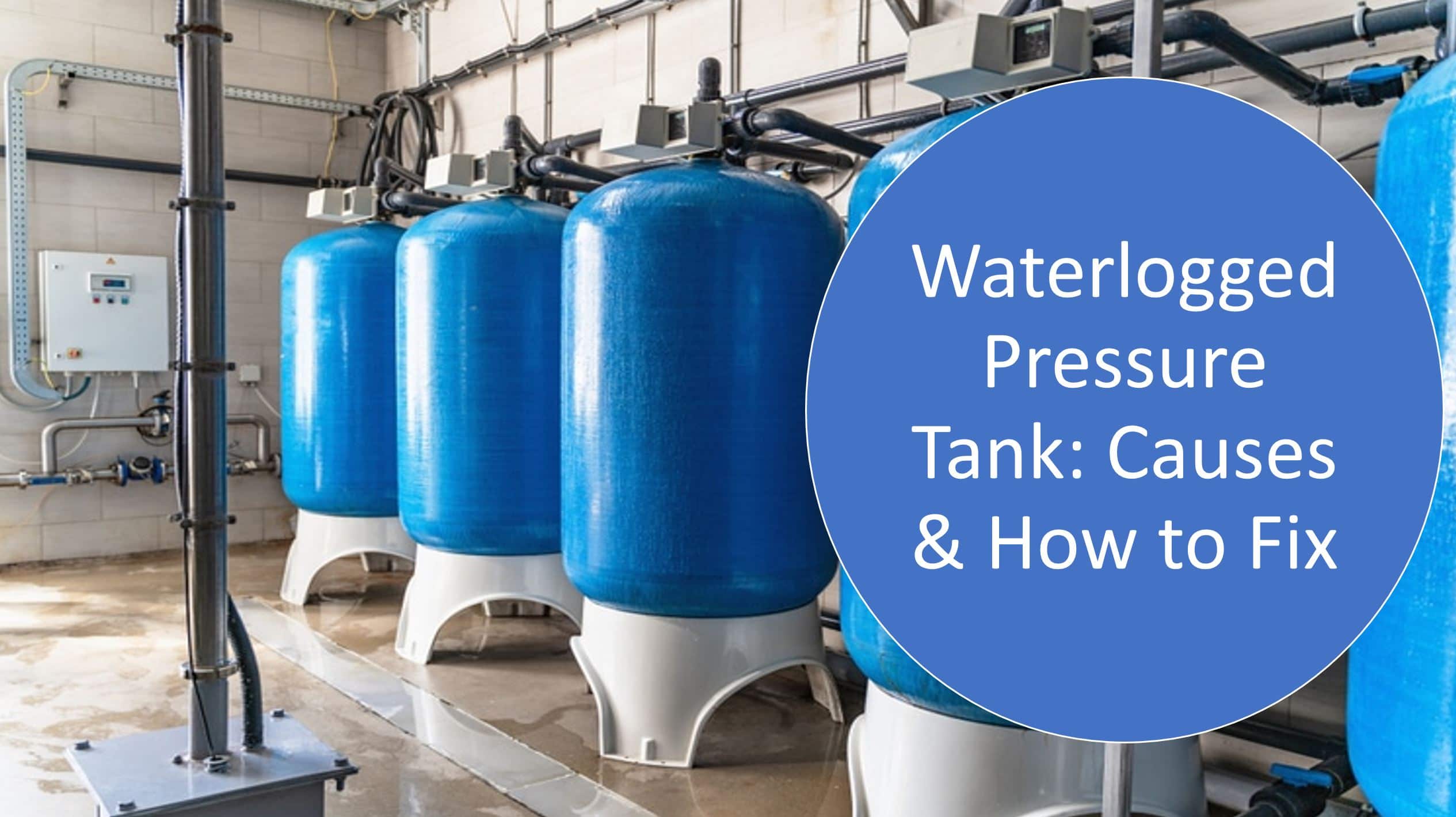 What To Do If Your Pressure Tank Is Waterlogged - Design Talk
Fun fact: a pressure tank’s bladder is made of butyl rubber, which is the same stuff used in bubble gum and truck tires. So technically, your plumbing problem is one giant, mechanical piece of gum that gave up. Don’t try chewing it back to health.
When to Call a Pro (And Why You Should)
If the air fix doesn’t work and you’re staring at a water-squirting valve, just buy a new tank. They cost about $100-$400, which is cheaper than a pump replacement or the therapy you’ll need from banging your head against a wet pipe. Installing one is straightforward if you can handle a wrench and a good YouTube tutorial, but be warned: old tanks are heavy and full of water. You’ll end up doing a sad, wet shuffle across your basement.
Pro tip: Always use Teflon tape on the threads of the new tank’s connection. You don’t want a “slow drip” that turns your crawl space into a swimming pool for spiders. Also, buy a slightly larger tank than you think you need. Your future self, who just took a 20-minute hot shower, will thank you.
The Happy Ending (Sort Of)
Once you fix the air or swap the tank, your pump will go back to its normal, lazy routine—only waking up a few times a day. Your water pressure will feel like a gentle bear hug, not a confused dribble. And you’ll have learned a valuable lesson: air is your plumbing’s best friend. It’s the invisible superhero floating inside your tank, holding back the tide of chaos. Respect the air. Check the pressure. And never, under any circumstances, trust a tank that sounds like a waterbed.
Now go forth, brave water warrior. Fix that pressure tank, and may your showers be strong and your pump naps long.
