Can Microplastics Be Filtered Out Of Water

You’ve heard the buzzword, felt the vague unease, and maybe even side-eyed your reusable water bottle. Microplastics are the uninvited guests at the party of modern life—tiny,...
You’ve heard the buzzword, felt the vague unease, and maybe even side-eyed your reusable water bottle. Microplastics are the uninvited guests at the party of modern life—tiny, ubiquitous, and alarmingly persistent. They’ve been found in Arctic ice, in the clouds above Mount Everest, and, according to a 2024 study, in nearly 90% of bottled water brands tested globally. The question on everyone’s lips, from wellness influencers to your skeptical uncle, is simple: Can we actually filter these tiny invaders out of our tap water? The answer, as with most things in life, is a nuanced mix of hope, science, and a dash of reality.
First, a quick crash course in the enemy. Microplastics are fragments smaller than five millimeters—about the size of a sesame seed or a grain of rice. Nanoplastics are even smaller, invisible to the naked eye, and they are the real wild card. They come from everything: the wear and tear of your car’s tires, the shedding of synthetic fleece in the laundry, the breakdown of that forgotten plastic bag in a landfill. Their journey into your glass is a quiet, relentless infiltration, and our bodies are still figuring out what to do with them.
The Home Filter Showdown
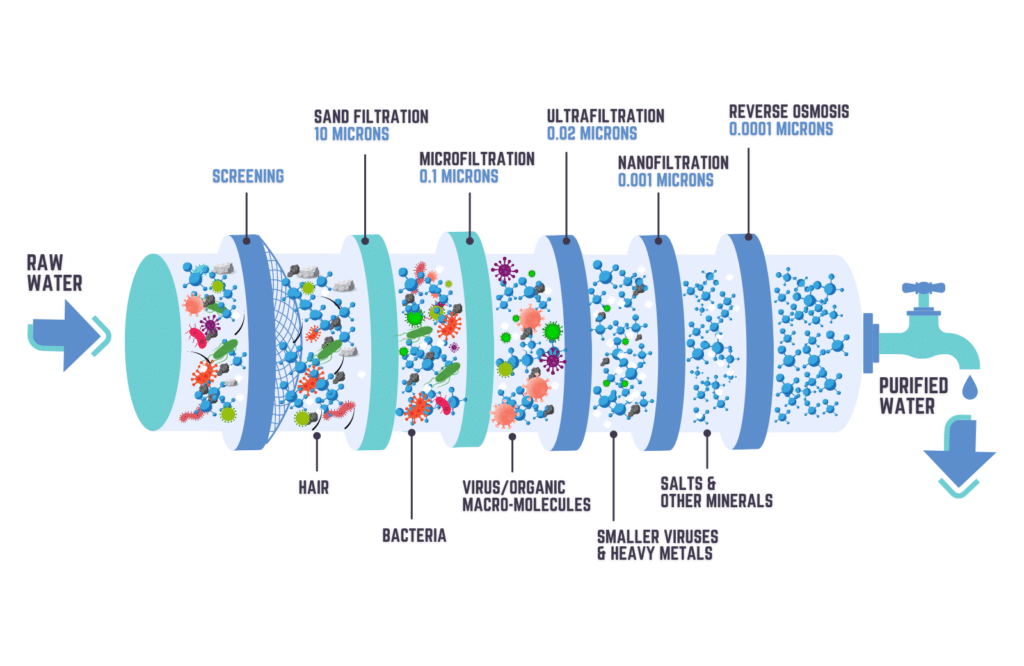
Let’s cut to the chase: Yes, microplastics can be filtered out of water, but not all filters are created equal. Think of your filter like a bouncer at a high-end club. A standard pitcher filter (think Brita or Pur) is like hiring a friendly doorman—great with big, obvious troublemakers like sand or silt, but it will let the slick plastic nanoparticles slip right past. A study from the University of New Mexico found that common pitcher filters removed less than 10% of nanoplastics. That’s a lot of tiny party crashers getting through.
Must Read
Enter the heavyweights: Reverse osmosis systems and activated carbon filters with a micron rating of one micron or less. These are the elite security teams. Reverse osmosis forces water through a semi-permeable membrane that blocks most particles, including plastics, down to 0.001 microns. It’s the gold standard, but it’s also expensive, wastes a bit of water, and feels like the kind of thing you install because you have a whole-house gym and a kombucha fermenting station. For the rest of us, a high-quality carbon block filter rated for sub-micron filtration—often paired with a sediment pre-filter—is a solid, wallet-friendly choice. Look for certifications like NSF/ANSI Standard 53 for cyst reduction, which indicates a pore size small enough to catch a lot of the plastic party.
The Boiling Myth & The Bottle Trap
Here’s a fun fact that might ruin your teatime: Boiling water does not remove microplastics. In fact, it can concentrate them as the water evaporates. You’re just making a tiny plastic tea. The only exception is if you boil water with hard minerals, which can trap some plastics in the resulting limescale—a process known as "effervescent filtration"—but you’d need a bucket and a lot of patience for that to work at scale. So, keep the kettle for your Earl Grey, not as a water-purification hack.
And what about the very vessel you’re trying to protect? Your single-use plastic bottle? That’s ironic. A study from the State University of New York found that bottled water can contain twice as many microplastic particles as tap water. The plastic itself leaches into the water, especially if the bottle has been sitting in a warm car or in the sun. Swapping your plastic bottle for a reusable stainless steel or glass one is the single most impactful, no-fuss move you can make. It’s like ditching the fast-fashion hoodie for a timeless wool sweater—a style upgrade that also saves your health.
Practical Tips for the Modern Curator
So, how do you navigate this plastic-heavy world without turning your kitchen into a chemistry lab? Start with a simple carbon block filter for your tap. Brands like Clearly Filtered or Berkey (for countertop units) have strong reputations. Just remember to change the cartridges on time—a clogged filter becomes a breeding ground for bacteria, which is a whole different vibe. Check your local water quality report; most cities post them online, and they can tell you what’s actually in your supply. If you’re really concerned, a small countertop distillation unit is a nuclear option that effectively removes everything, though it also removes beneficial minerals like calcium and magnesium.
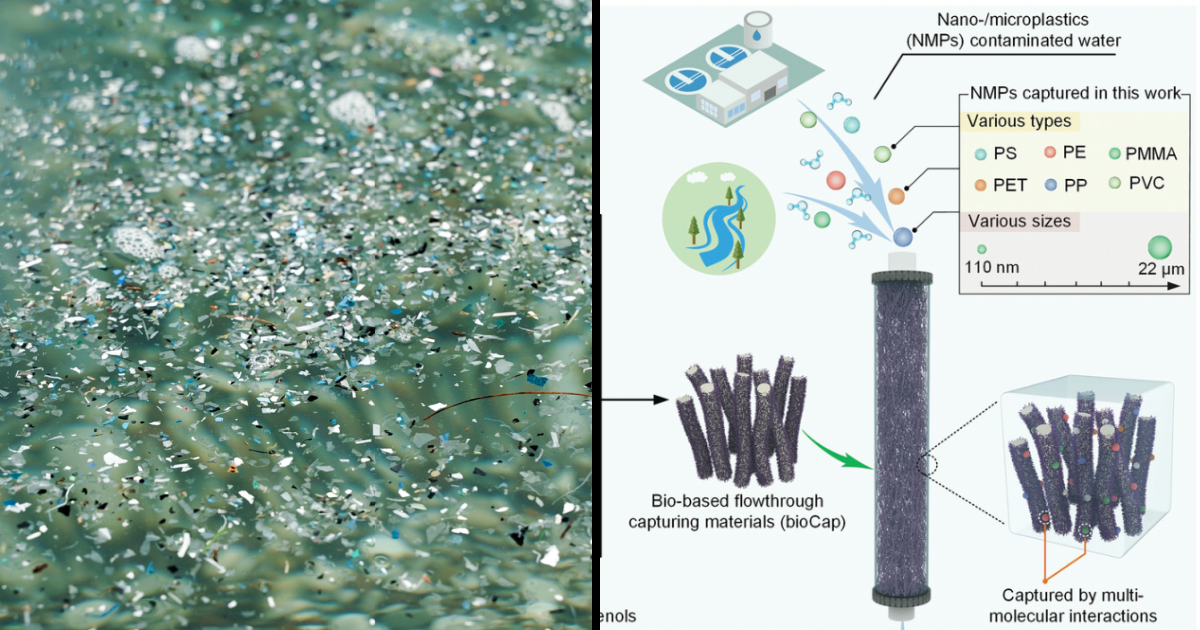 Scientists Say New Plant-Based “bioCap” Device Can Filter Almost All
For the on-the-go crowd, invest in a portable water bottle with a built-in filter, like those from Lifestraw or Grayl. These are designed for camping and travel, but they work beautifully at the airport or in a city with questionable tap water. Use them to fill up at fountains instead of buying plastic. And here’s a weird little life hack: avoid drinking from the plastic lid of your takeaway coffee cup. That lid is often made of a different, softer plastic that sheds particles aggressively when hot. Sip through the opening, or better yet, bring your own travel cup. Your future self, and the planet, will thank you.
Cultural Signals & The Big Picture
This isn’t just about personal health; it’s a cultural signal. Filtering your water has become a quiet act of rebellion. It’s the eco-conscious equivalent of choosing vinyl over streaming—a deliberate, tactile choice that says, “I pay attention.” In cities like San Francisco and Copenhagen, home water filtration is almost as common as having a houseplant. It’s a conversation starter. When a guest asks about your sleek countertop filter, you’re not just explaining a gadget; you’re sharing a philosophy. You become a kind of water sommelier, tasting the difference between unfiltered tap and a glass of crisp, purified H2O. And yes, it really does taste better—less chlorine, fewer odd notes.
Remember, microplastics are also being found in the air, in our salt, and in our seafood. A 2023 study estimated that the average person inhales and ingests about five grams of plastic per week—the weight of a credit card. Filtering your water is a powerful first step, but it’s part of a bigger dance. Reduce your use of single-use plastics, avoid microwaving food in plastic containers (the heat makes them shed), and choose natural fibers like cotton, linen, and wool over acrylic and polyester. Your filter is the ally; your lifestyle is the general.
As you pour yourself a glass from your newly filtered pitcher tonight, pause for a second. That water is a small victory—a clear, clean, and conscious choice in a plastic-laden world. It’s not about achieving perfection; it’s about making one good decision that ripples out. The plastic crisis is vast, but your control over your own tap is real. So cheers to that. Drink up, and maybe—just maybe—leave the plastic party for someone else.
