How Many Of Ounces Of Water Should I Drink

Last Tuesday, I watched my friend Sarah chug a full gallon of water in under an hour. She was convinced she was "pre-hydrating" for a hot yoga class. Ten minutes later, she fe...

Last Tuesday, I watched my friend Sarah chug a full gallon of water in under an hour. She was convinced she was "pre-hydrating" for a hot yoga class. Ten minutes later, she felt nauseous, dizzy, and had to lie down on my kitchen floor. I handed her a pretzel and told her, "Dude, you’re not a camel."
That weird moment got me thinking: why are we all so obsessed with drinking a magic number of ounces? You’ve heard the mantra: eight glasses a day, which is about 64 ounces. But is that really the golden rule? Spoiler alert: it’s not even close to one-size-fits-all.
Forget the "8x8" rule. It was just a suggestion.
The famous "eight glasses of water a day" likely came from a 1945 recommendation that said we need about 64 ounces of total water intake daily. That includes water from food, coffee, and even that slice of watermelon you had. So if you’re slamming eight big glasses of just water, you might be overdoing it—or worse, making yourself miserable for no reason.
Must Read
Your actual need depends on your body size, activity level, and the weather. A 120-pound desk worker in Maine isn’t the same as a 200-pound marathon runner in Phoenix. Duh, right?
So, what’s the real number for you?
Here’s a simple trick: take your body weight in pounds, divide it by two. That number is the minimum ounces of water you should aim for on a normal day. For me at 150 pounds, that’s 75 ounces. For Sarah at 130 pounds, that’s 65. See? Not 64 for everyone.
But hold on—this is your baseline, not a hard rule. I always add 8 to 16 ounces if I’ve exercised or if it’s hot outside. Your body is smart; it will tell you if you need more.
The best "test" is your pee. Yes, really.
Let’s get a little graphic but real: check the color of your urine. If it looks like pale lemonade, you’re golden. If it’s dark like apple juice or iced tea, drink up. If it’s completely clear like tap water, ease up on the hydration—you might be flushing out essential electrolytes.
I once thought "clear = perfect," but I was actually over-hydrating and felt tired all day. You don’t need to be a water olympian. Mild thirst is normal; chronic thirst is a signal.
What about coffee and tea? Do they count?
For years, people said coffee dehydrates you. That’s a myth. Unless you’re drinking ten cups, your morning coffee counts toward your fluid intake. Yes, really. Coffee is mostly water, and the mild caffeine effect isn’t enough to cancel that out. So enjoy your latte without guilt.
Same goes for herbal tea, sparkling water, and even soup. Your body isn’t a purist; it recognizes water molecules from any source. The only drinks that don’t count are alcoholic ones (sorry) and super sugary sodas, which can make you feel more thirsty.
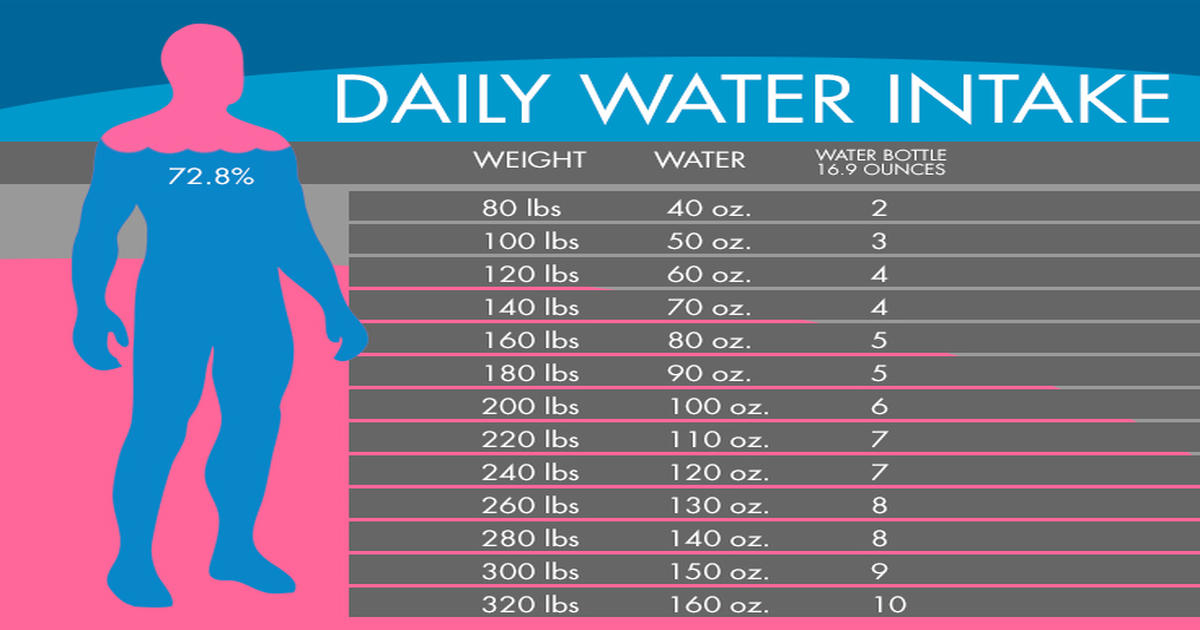 How Much Water Do You Need To Drink, According To Your Weight?
The ironic side effect of drinking too much water
Remember Sarah? She wasn’t just nauseous. She was experiencing mild hyponatremia—a fancy word for low sodium levels in your blood. Drinking too much water too fast dilutes your salt, and that can be dangerous. You’ll get headaches, muscle cramps, and in extreme cases, seizures. Not fun.
So here’s the ironic twist: forcing yourself to drink a specific ounce number can be just as bad as not drinking enough. Listen to your body, not a generic chart on Instagram. Your thirst mechanism evolved over millions of years—trust it.
A practical plan that doesn’t feel like a chore
Start your day with a glass of water, maybe 8–12 ounces. Then drink when you’re thirsty throughout the day. If you’re working out, have a bottle handy and sip every 15 minutes. That’s it. No need to track ounces like a scientist unless you’re an athlete or have a medical condition.
One more thing: if you’re eating plenty of fruits and veggies (like cucumbers, oranges, or melons), you’re already getting a solid 20% of your daily fluid. Nature’s hydration hack. You’re welcome.
So, how many ounces should you drink?
The short answer: start with half your body weight in ounces as a minimum. Then adjust based on sweat, temperature, and how your pee looks. Don’t overthink it. Your body is not a math problem.
The long answer: if you’re feeling good, have clear-ish pee, and never feel parched, you’re already doing it right. Ignore the influencers selling $50 water bottles with hour markers. You don’t need a hydration schedule; you need a little common sense.
Now, go drink a glass of water—but only if you’re thirsty. Sarah learned that lesson on my kitchen floor. Don’t be like Sarah. Your kidneys will thank you.
