Is Boiled Water The Same As Filtered Water

So, the other day my roommate Dave boiled a pot of water, let it cool, and then poured it into a fancy glass carafe. He turned to me with the seriousness of a man announcing a...
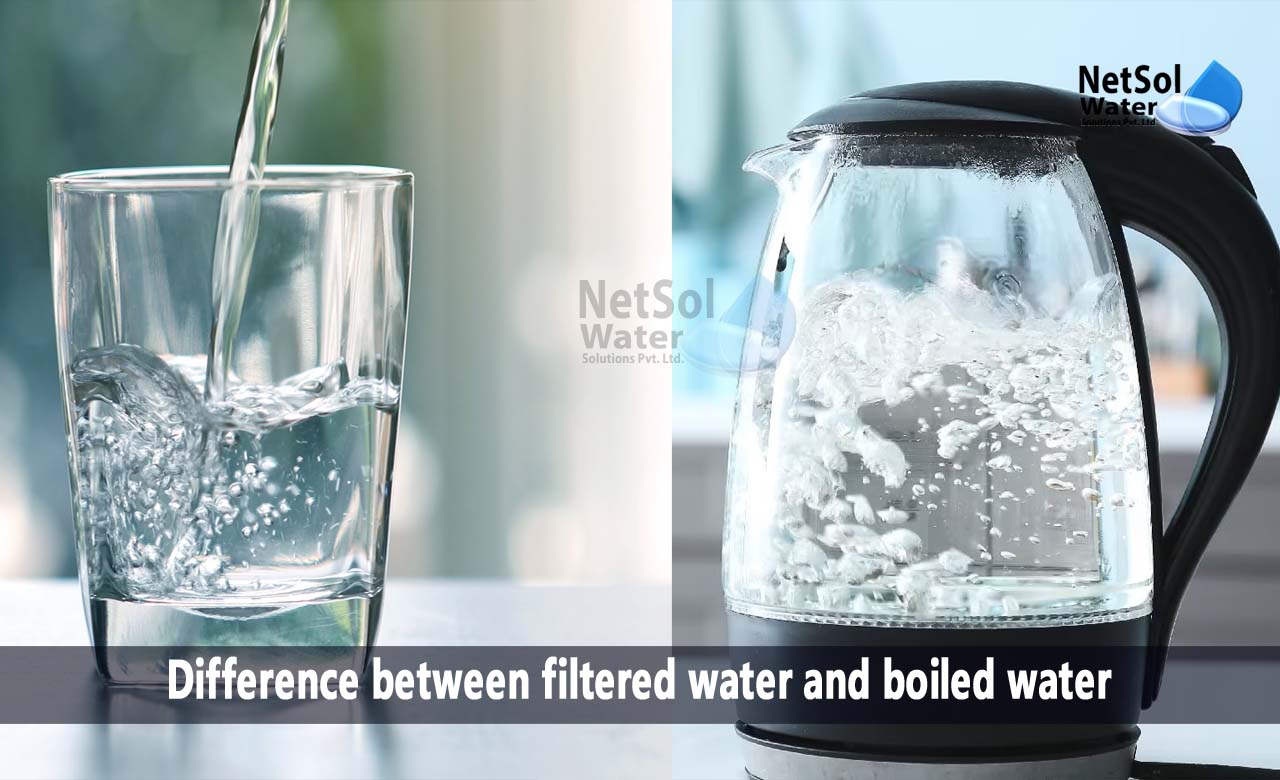
So, the other day my roommate Dave boiled a pot of water, let it cool, and then poured it into a fancy glass carafe. He turned to me with the seriousness of a man announcing a Nobel Prize: “There. Now we have filtered water.” I just stared at him, holding my Brita pitcher like a lifeline. I didn’t know whether to laugh or start packing my bags.
That moment got me thinking: is boiled water really the same as filtered water? It’s a question that sounds simple, but it opens a surprisingly nasty little can of worms—or should I say, a can of microbes? Let’s dive in, and I promise to keep the chemistry talk painless.
The Great Boil: What It Actually Kills
First, let’s give Dave some credit. Boiling water is an ancient, rock-solid method for killing pathogens. Think cholera, giardia, and E. coli—the bad guys that lurk in untreated or questionable water sources.
Must Read
When you bring water to a rolling boil for at least one minute (or three at high altitudes), you’re basically throwing a thermal party that these bugs can’t survive. It’s a life-saver in survival situations, no doubt.
But here’s the kicker: boiling does absolutely nothing to remove chemical contaminants, heavy metals, or sediment. Think of it like this: if your water is full of lead, you’re just making hot lead soup—then cold lead soup. Yum.
What About the “Clean” Taste?
You might have noticed that boiled water tastes a bit… flat. That’s because boiling drives off dissolved oxygen and some volatile compounds that give water its fresh, crisp mouthfeel. Filtered water, on the other hand, often retains those subtle gases (or even adds minerals back).
So, no, your boiled water will never taste like a mountain spring. It tastes like a hotel coffee maker from 1987—nostalgic, but not exactly refreshing.
Filtered Water: The Little Pitcher That Could
Now let’s talk about the real MVPs: filtration systems. Whether it’s a basic charcoal pitcher, a countertop distiller, or a reverse osmosis unit under your sink, these gadgets target a whole different set of problems.
Filters work mechanically and chemically. Activated carbon, for instance, acts like a sponge for impurities—grabbing chlorine, pesticides, pharmaceutical residues, and even some heavy metals like mercury and copper. Ever notice how tap water smells like a swimming pool? That’s chlorine. A decent carbon filter kicks it to the curb.
But here’s the irony: most filters don’t kill bacteria or viruses. In fact, if you leave a used filter sitting around too long, it can become a cozy incubator for mold and bacteria. Yep, your fancy pitcher might be growing a science experiment.
Side note: That’s why manufacturers tell you to change the filter every two months—unless you enjoy a dash of biofilm with your morning coffee.
So, Which One Is Better?
If you’re camping by a river and the only thing between you and a parasite is a campfire? Boil that water. It’s better than drinking from a beaver dam. But for everyday tap water in a city or suburb? A good filter usually wins the day—because you’re likely not dealing with deadly bugs; you’re dealing with taste, odor, and trace chemicals.
 Filtered Water VS Boiled Water. Which is really better? – skmagic.sg
Here’s the truth bomb: boiling and filtering are not interchangeable. They’re complementary. Boil for safety against pathogens. Filter for clarity, taste, and chemical removal. Doing both? That’s the super combo—boil first, then filter to bring back the flavor.
But let’s be real—most of us don’t live in a constant cholera outbreak. So unless you’re in a survival scenario, filter your tap water and stop boiling it. You’re just wasting energy and wasting that lovely oxygen.
What About Those “Boil Water Advisories”?
Ever seen a boil water advisory on the news? That’s usually after a pipe break or a flood, when there’s a risk of sewage or bacterial contamination. In those cases, you must boil before drinking—even if you have a filter. Filters don’t stop viruses or tiny bacteria like Cryptosporidium (unless they’re UV or reverse osmosis, which most pitchers aren’t).
But once the advisory lifts? The water is technically safe from pathogens again. Then your filter becomes useful again for polishing out the rust, chlorine, and sediment that came from the shattered pipes. Timing is everything.
A Quick Chef’s Secret
If you really want to get fancy, use filtered water for boiling pasta or brewing tea. Why? Because you want the purest canvas for flavors, free of chlorine that can ruin a delicate green tea. Boiling tap water just concentrates the chemicals. So save the boiling for your spaghetti—not your drinking glass.
The Bottom Line (Because You’re Busy)
So, to wrap up Dave’s grand experiment: no, boiled water is not the same as filtered water. It’s like comparing a first-aid kit to a housekeeper—both help, but for different messes. Boiling is for biological safety; filtering is for chemical and sensory quality.
If you want my honest recommendation? Get a simple activated carbon filter for your countertop. It’ll cost you a few bucks a month, and it’ll save you from drinking something that tastes like a wet Band-Aid. And if you’re ever stuck in a zombie apocalypse? Then fire up the kettle and boil everything.
Dave and I are still sharing a kitchen, by the way. He now drinks his “boiled tap water” while I sip my filtered stuff—and we both pretend not to judge. The horror of coexisting with different water philosophies…
