Facts About Plastic Pollution In Waterways

Okay, grab your mug. Let’s chat about something that’s both bonkers and a bummer: plastic in our rivers, lakes, and oceans. I mean, did you know we’ve made over 8 billion ton...
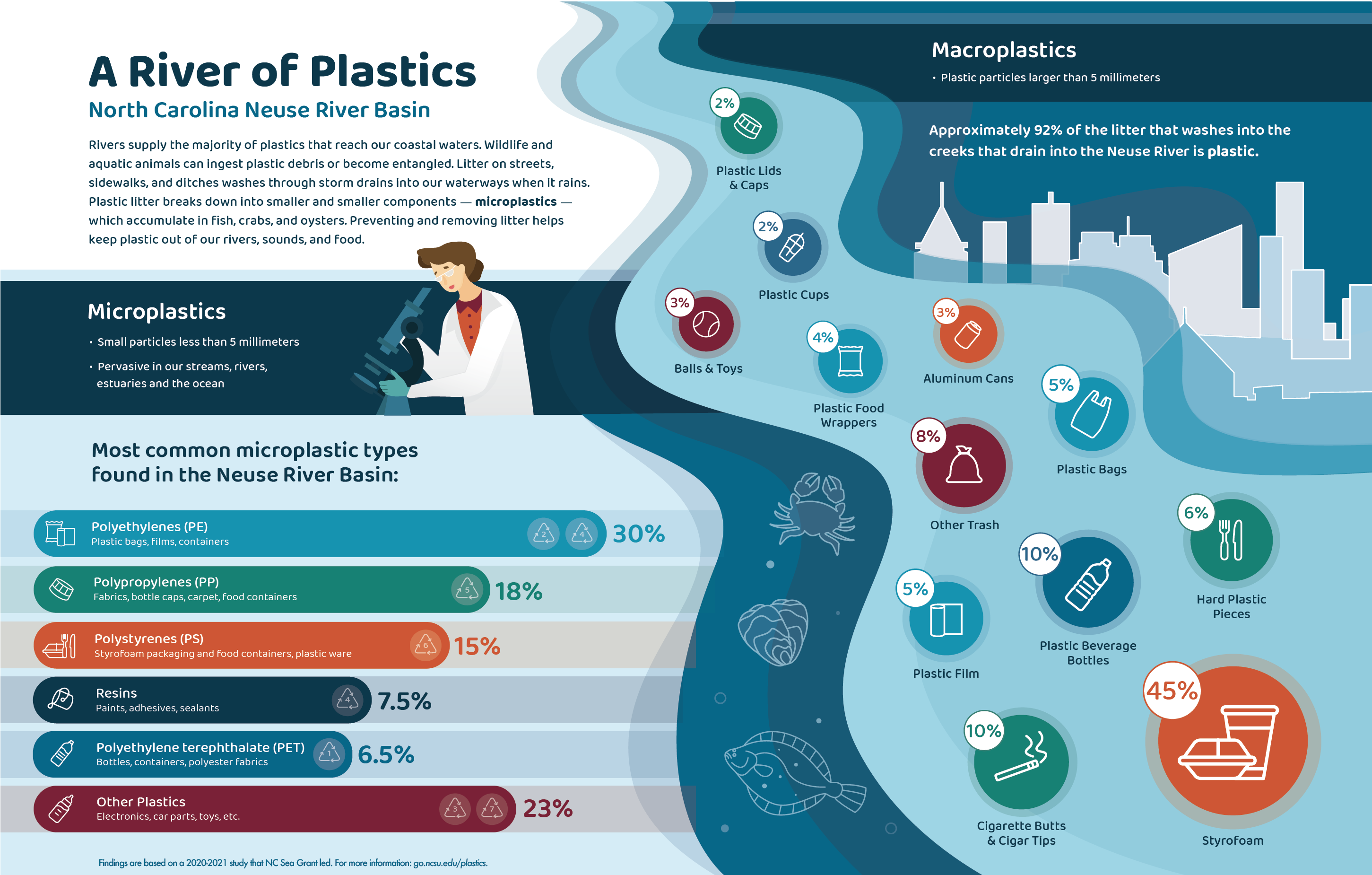
Okay, grab your mug. Let’s chat about something that’s both bonkers and a bummer: plastic in our rivers, lakes, and oceans.
I mean, did you know we’ve made over 8 billion tons of plastic since the 1950s? That’s a lot of Tupperware. Most of it doesn’t just vanish; it takes a vacation in our waterways.
Where does it all go, buddy?
You’d think it just floats forever, right? Wrong. Only about 1% of ocean plastic is seen on the surface. The rest? It’s sinking, swirling, or getting cozy on the seafloor.
Must Read
Imagine a giant, invisible snow globe of microplastics. That’s basically our water column now. It’s a party nobody asked for.
The sneaky little devils: microplastics
Here’s the wild part: plastic doesn’t really biodegrade. It just breaks into tinier bits called microplastics. Think of them as glitter from hell. Once they’re small enough, fish eat them.
And guess what? You might be eating those fish. It’s like a slow-motion prank where the punchline is plastic in your sushi.
How tiny are we talking? Some are smaller than a sesame seed. They get into plankton, which are basically the ocean’s salad. No one wants a plastic salad.
Rivers are the real highways
Here’s a fact that’ll make you side-eye your nearest river: 90% of ocean plastic comes from just ten rivers. Most are in Asia and Africa. It’s not about pointing fingers; it’s about realizing plastic is a lazy wanderer.
It travels fast on water. A bag dropped in the Ganges can reach the Bay of Bengal in days. That’s faster than your Amazon Prime delivery.
And don’t think lakes are safe. They’re basically plastic soup with better scenery. The Great Lakes alone hold about 22 million pounds of plastic trash. That’s a lot of forgotten beach toys.
The turtle trap you’ve heard about
You saw that straw-in-the-nose-turtle video, right? Ouch. But it’s not just straws. Sea turtles think plastic bags are jellyfish. And guess what? They always lose that game of “is it food or is it garbage?”
Birds get it worse. Albatross parents feed plastic to their chicks, mistaking it for squid. The chicks’ stomachs fill up with bottle caps and lighters. It’s heartbreaking and preventable.
But here’s a weird twist: some bacteria are learning to eat plastic. It’s called Idea sakaiensis. It still eats slower than your grandma, but hey—it’s trying.
Your laundry is quietly guilty
Wait, your laundry? Yup. Every time you wash a fleece jacket or yoga pants, thousands of microfibers get rinsed out. They’re too tiny for water treatment plants to catch.
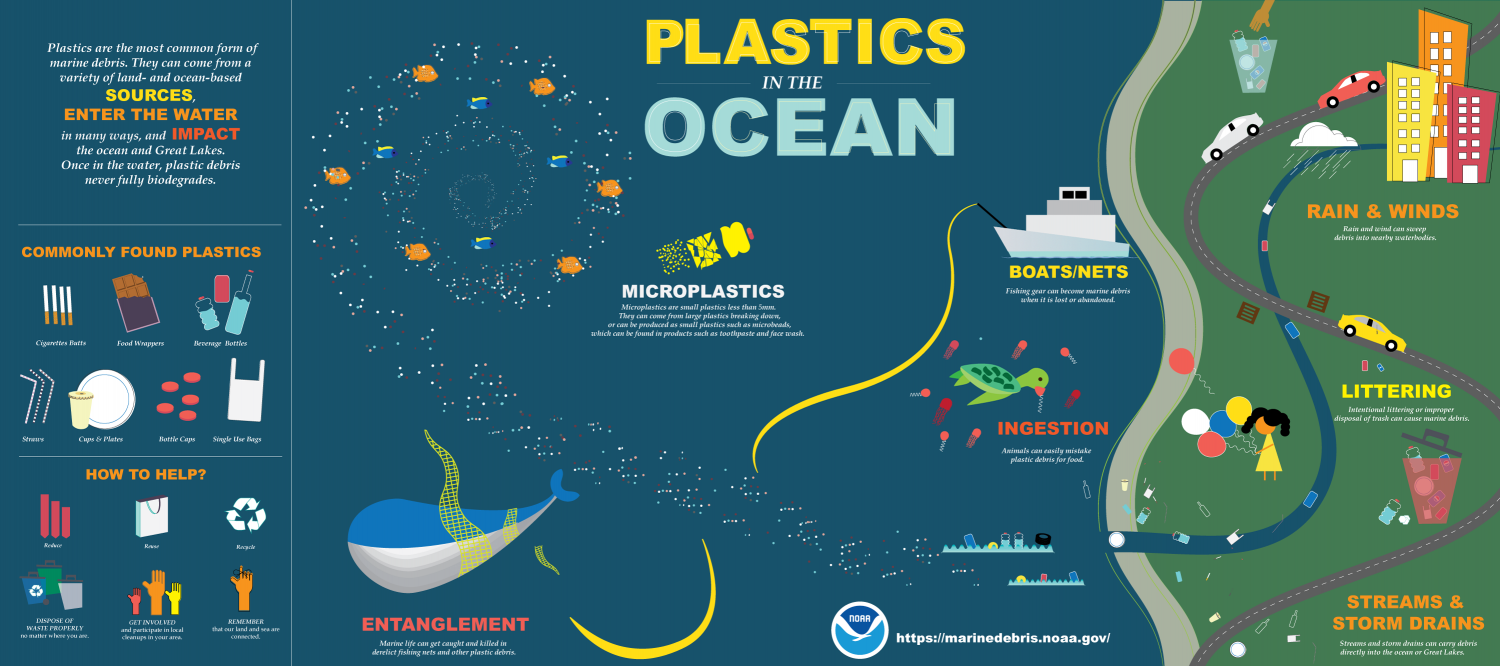 Plastics pose a problem in waterways. - North Carolina Health News
Those fibers travel right into the nearest stream. Then a fish eats them. Then you eat the fish. It’s the circle of life, but with polyester.
What can you do? Wash synthetics less. Use a Guppyfriend bag or a filter. Or just embrace wearing the same sweater four days in a row. I won’t judge.
The great garbage patch myth
You’ve heard of the Great Pacific Garbage Patch. It’s not a floating island you could walk on. It’s more like a plastic smog. Tiny bits spread over millions of square miles.
You could sail right through it and barely notice. But a net would come up filled with confetti. Confetti that lasts for centuries.
And yes, it’s twice the size of Texas. But it’s also growing. By 2050, there could be more plastic than fish by weight in the ocean. More plastic than fish. Let that sink in.
So, what’s the fix?
Bans on single-use bags help. So do bottle deposits. But we need lawmakers and big companies to play nice. You can’t recycle your way out of this alone.
However, tiny wins matter. Use a reusable water bottle. Say no to straws when you can. Pick up a piece of plastic on a beach walk—it’s a small rebellion.
There’s a group called The Ocean Cleanup that’s building giant booms to scoop trash. They pulled out over 100 tons already. It’s like a Roomba for the ocean. A very, very expensive Roomba.
But here’s the real truth: we can fix this. It just requires everyone—especially corporations—to stop treating water like a trash can.
A last little joke (sort of)
If you’re feeling hopeless, remember: plastic is durable. That’s why we love it. But it’s also why it’s a menace. Every piece still exists somewhere.
Maybe that plastic fork from your lunch in 1995 is now chilling in a deep-sea trench. It’s seen more ocean than I have. Rude.
So next time you see a river, give it a nod. It’s carrying a secret cargo—and it could use a little less baggage. You in?
