Can You Vomit From Drinking Too Much Water

You’re halfway through your second giant tumbler of water at brunch, feeling virtuous and hydrated, when a strange queasiness creeps in. Your stomach sloshes, your head feels...
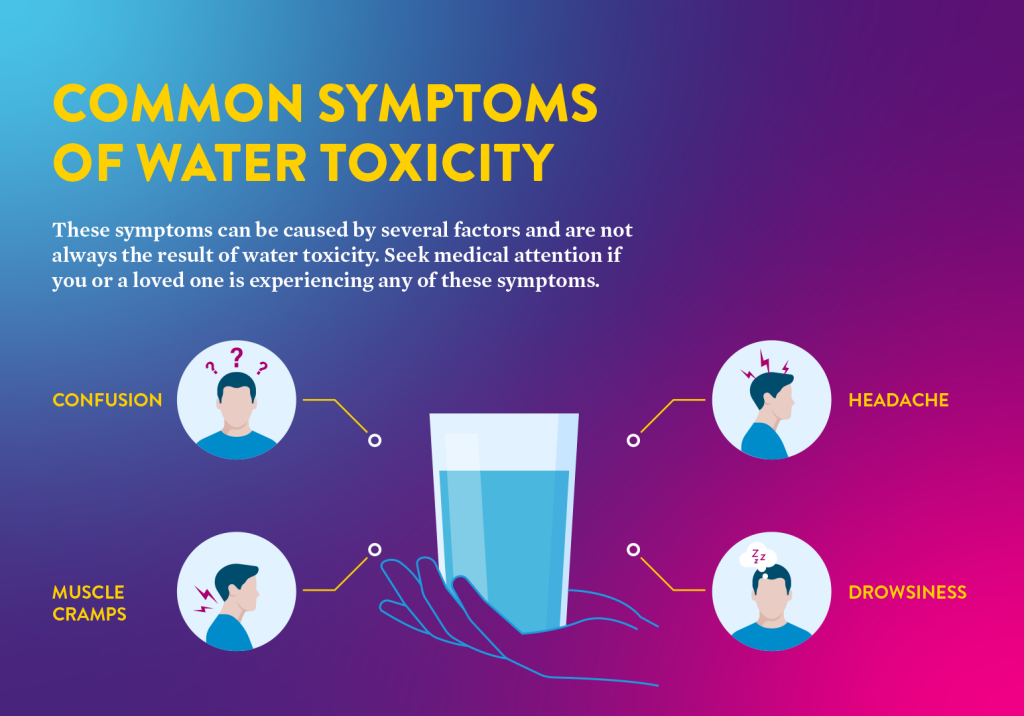
You’re halfway through your second giant tumbler of water at brunch, feeling virtuous and hydrated, when a strange queasiness creeps in. Your stomach sloshes, your head feels fuzzy, and you wonder: Can you actually vomit from drinking too much water? The short answer is yes, but it’s not quite the same as the dramatic scenes from a hangover movie or a food-poisoning thriller.
Welcome to the strange, sloshy world of water intoxication, also known as hyponatremia. It happens when you chug so much water that your kidneys can’t flush it out fast enough, diluting the sodium in your blood. And since sodium is your body’s electrical traffic cop, chaos ensues—nausea, headache, confusion, and yes, occasionally vomiting.
The Science of the Slosh
Picture your cells as tiny, plump grapes floating in a bath of salt water. When you down more water than you need, that bath becomes less salty, and water rushes into the grapes, swelling them up. Brain cells aren’t fans of this—they live in a fixed skull, so swelling leads to pressure, which triggers nausea and the urge to purge.
Must Read
This isn’t a common scenario for most people, but it’s a real risk for marathon runners, partygoers on MDMA, or anyone doing a “water challenge” for social media. Your kidneys can only process about 0.8 to 1 liter per hour, so dumping two liters in thirty minutes is like asking a single barista to serve a whole festival.
How Much Is Too Much?
There’s no magic number, but a good rule of thumb is: don’t exceed 3 to 4 liters of water in a few hours unless you’re sweating buckets. A classic, morbid cultural reference is the 2007 “Hold Your Wee for a Wii” contest, where a woman died after drinking six liters of water without urinating. That’s an extreme edge case, but it proves the body has limits.
Your urine color is your best friend here. Pale straw? Great. Clear as tap water? You might be overdoing it, and that queasy feeling is your stomach waving a white flag. Listen to that slosh—your gut knows when the tank is full.
The Vomiting Reflex: A Weird Safety Valve
Vomiting from water overload is your brain’s emergency brake. When sodium levels drop, your brain sends signals to the gut to empty everything—including that excess water—to prevent further dilution. It’s not always violent; sometimes it’s a gentle, watery heave that feels more like a sputtering hose than a dramatic movie scene.
Think of it as your body’s way of saying, “You’ve officially become a human water balloon.” And unlike food poisoning, the puke is usually clear, odorless, and shockingly unsatisfying—you don’t even get the relief of feeling like you’ve ejected something bad.
Practical Tips for Hydration Without the Heave
First, sip, don’t guzzle. Treat water like a fine cocktail, not a challenge. A glass every hour is plenty for most people; a big gulp after a workout is fine, but pace yourself over the next hour.
Second, pair water with electrolytes. Add a pinch of salt or a squeeze of lemon to your bottle, especially after sweating. Your cells love that salty balance, and it prevents the watery nausea. Or just eat a banana—potassium is your friend.
Third, trust your pee. As mentioned, clear urine is a red flag, not a gold star. If you’re running to the bathroom every forty-five minutes, you’re probably over-hydrating. Aim for pale yellow, like lemonade, and you’ll rarely need to worry about vomiting.
 Water Intoxication: Meaning and Safety Tips – HealthKart
Cultural Quirks and the “Water Cure” Fad
Wellness influencers love to push “water flushing” or “alkaline water challenges” as detox miracles. But your liver and kidneys don’t need flushing—they’re self-cleaning ovens. The real detox is just not drinking bleach or eating raw chicken. So when you see someone chugging a gallon on Instagram, remember: that’s not health, it’s a performance.
In some cultures, like Japan, the misoshiru (miso soup) is a smarter hydrator—salted and full of minerals. In the tropics, people sip coconut water. Even a simple glass of milk is more hydrating than plain water because it has sugars, fat, and electrolytes that slow absorption. Variety is the spice of hydration.
Fun Fact: The World’s Biggest Water Drinker
The Guinness World Record for “most water drunk in one minute” is held by someone who chugged a liter in seconds. They didn’t vomit, but I bet they felt like a shaken soda can afterward. Don’t try this at home—your kidneys aren’t on the payroll.
Also, did you know that cucumbers are 96% water and won’t make you nauseous? Nature’s hydration hack is to eat your water, not just drink it. Watermelon, celery, and strawberries are the original hydration athletes.
When to Worry (and When to Just Slow Down)
If you feel nauseous after water, the fix is often boring: stop drinking. Eat something salty, like a pretzel or a few crackers. Lie down for ten minutes. Your body will rebalance itself—vomiting is rare unless you’ve truly overwhelmed the system.
But if the nausea comes with confusion, muscle twitching, or a severe headache, that’s an emergency. Call a doctor. Hyponatremia can cause seizures, and it’s a medical event, not a “whoops, I overdid it” moment.
Most of us will never vomit from water. The real takeaway is that drinking water shouldn’t be a chore or a competition. It’s a gentle rhythm: sip when you’re thirsty, stop when you’re satisfied, and let your body be the guide.
A Short Reflection for Daily Life
We live in a world obsessed with “more”—more steps, more greens, more water. But the body isn’t a bank account where overfilling earns interest. It’s a garden: too much rain drowns the roots, too little leaves them brittle. The balance, as always, lives in the in-between.
So next time you reach for that giant bottle, don’t feel guilty if you don’t finish it. Your stomach isn’t a reservoir; it’s a vessel for feeling good. Drink for joy, for energy, for the simple pleasure of a cool sip on a hot day. And if you feel a little sloshy, just laugh it off—and maybe grab a pickle.
