Removing Microplastics From Drinking Water

Last Tuesday, I filled my reusable water bottle, took a triumphant sip, and felt something... crunchy. Not a stray piece of ice, not a rogue chia seed. It was a tiny, invisibl...
Last Tuesday, I filled my reusable water bottle, took a triumphant sip, and felt something... crunchy. Not a stray piece of ice, not a rogue chia seed. It was a tiny, invisible-to-the-naked-eye tag-along that I’d unknowingly invited to the party: a microplastic fiber. And let me tell you, that crunch was a very unwelcome wake-up call from my glass of “pristine” tap water.
That little crunch got me thinking (and spitting into the sink). We’re all drinking a sad, silent smoothie of plastic bits, and nobody asked for that recipe. But here’s the good news: we don’t have to just accept our fate as human-blenders. There are actual, doable ways to kick those microscopic hitchhikers out of your drinking glass.
What Are We Even Dealing With Here?
First off, let’s get on the same page about the enemy. Microplastics are tiny plastic fragments—smaller than a grain of rice—that flake off everything from your takeout container to your car tires. They’re everywhere: in the rain, the soil, and yes, your tap water.
Must Read
Think of them as the glitter of the pollution world—they get into everything and never truly leave. (And much like glitter, you don’t want them in your body, trust me.) A 2019 study found that humans ingest about 5 grams of plastic every week—the weight of a credit card. Ew.
The “Just Boil It” Myth (And Why It’s Tricky)
Your first instinct might be to boil the heck out of your water, right? Good instinct, but it’s a flawed one. Boiling kills bacteria and parasites, which is fantastic, but it doesn’t destroy most plastics—it just tempers them like a bad spa day. In fact, boiling water can release more chemicals from certain plastics into the water. So, skip the desperate boil unless you’re trying to make tea.
What boiling can do is help reduce some “hard” microplastics by turning them into calcium carbonate particles that sink? Eh, it’s a niche hack. Stick to the real solutions.
Solution 1: The Classic Carafe Filter (Your First Defense)
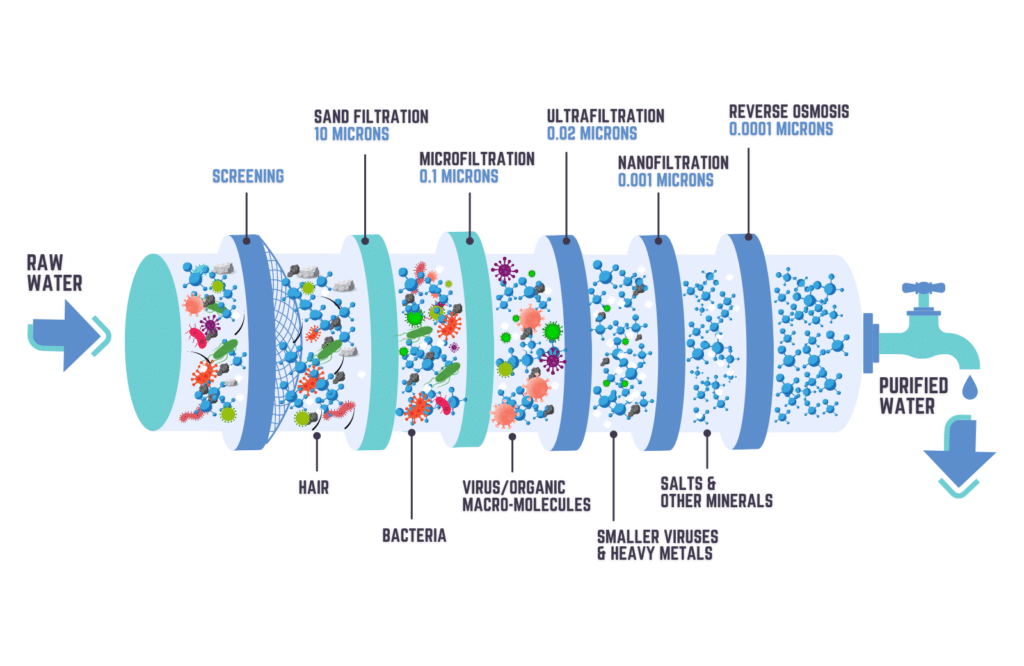
You know those big plastic pitchers sitting in your fridge? A standard activated carbon filter (like a Brita or PUR) is actually pretty decent at trapping larger microplastics. Think of it as a bouncer for your water pitcher, keeping the party crashers above 2.5 microns out.
But here’s the kicker: they’re not perfect. They catch some, but the really sneaky, nano-sized plastics can waltz right through. So, it’s a good start, but not a total victory dance. Change your filters on time, or you’re basically just breeding a plastic farm in your fridge.
Solution 2: Reverse Osmosis (The Overachieving Hero)
If you want to get serious—like, “suit up and go to war” serious—look into a reverse osmosis (RO) system. This is the gold standard. It pushes water through a membrane so fine that it blocks almost everything, including microplastics, lead, and even some viruses. It’s like a superpowered colander.
 How to Remove Microplastics From Water
The catch? It wastes a lot of water (about 3-4 gallons for every 1 gallon of clean water) and it’s pricier. But if you’re a paranoid perfectionist (me, hi), an under-sink RO unit is your best friend. Plus, you can stop playing “guess the crunch” with your water.
Solution 3: Distillation (The Old-School Way)
This is literally the process of boiling water, catching the steam, and letting it re-condense into pure liquid. Plastics don’t boil; they stay behind in the pot like sad, leftover ghosts. Distillation is excellent at removing microplastics, salts, and pretty much everything else.
The downside? It’s slow, uses a ton of energy, and the water tastes “flat” because it’s stripped of minerals. You’ll need to re-mineralize it if you drink it daily. Basically, it’s the “write-a-novel-by-hand” method of water purification. It works, but who has the time?
The Surprise Trick: A Simple Cloth?
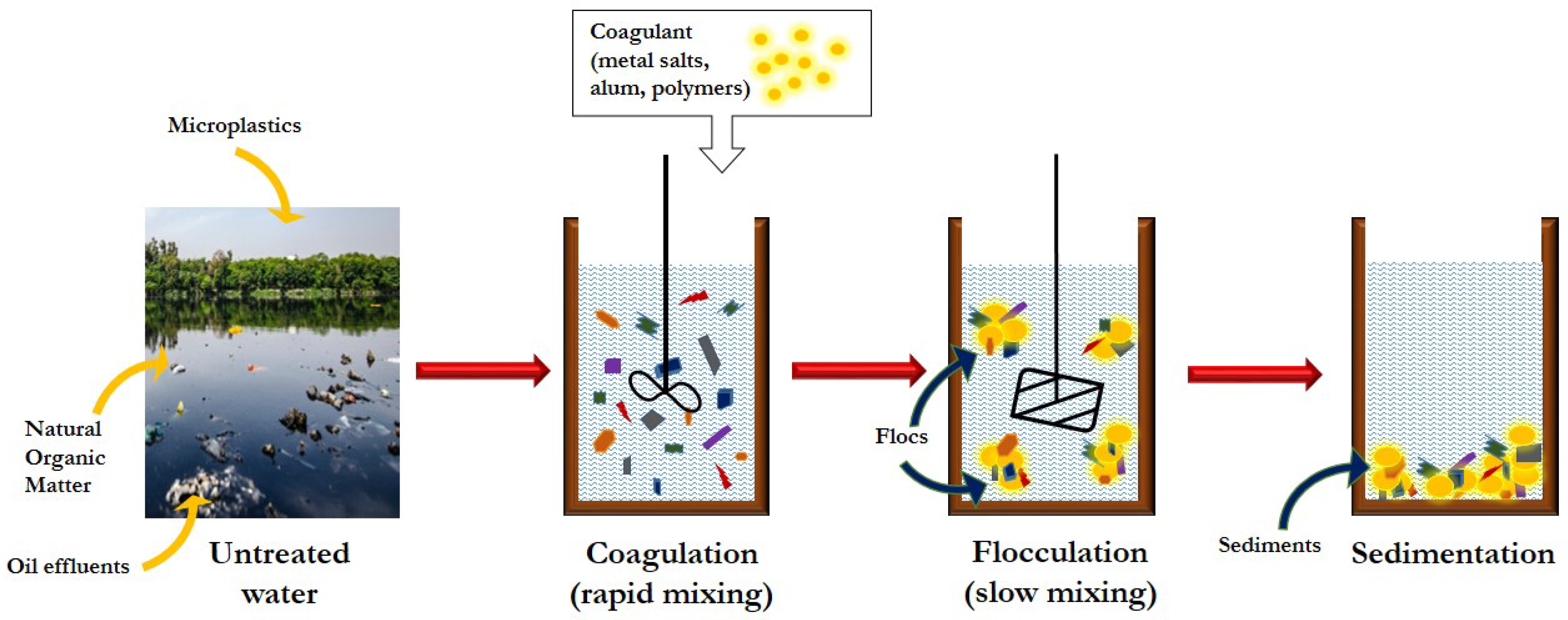
Before you buy any fancy gadget, try this: pour your water through a clean coffee filter or a piece of tightly woven cotton cloth. A 2022 study from China showed that simply boiling and then filtering through a cloth could remove up to 90% of certain microplastics in hard water. The heat makes the plastics, along with calcium, clump together into a chunky blob that gets caught in the fabric.
It’s not as sexy as a $600 filter, but it’s a ridiculously cheap first step. Your grandma’s dish towel might just save your cells. Try it before you buy anything—you might be shocked.
The Final Sip (Don’t Panic, Just Act)
Look, we aren’t going to solve the global plastic crisis with our kitchen faucets—that’s a bigger fight. But we can stop drinking a microplastic cocktail every single day. Start with a simple carafe filter. If you feel fancy, upgrade to RO. And at the very least, get a reusable bottle that isn’t made of plastic (glass or stainless steel, please!).
So next time you grab a glass of water, you’ll know you’re sipping something that’s just H2O, no crunchy encore. And honestly? That’s a small, quiet victory worth celebrating. Cheers to (slightly) less plastic in our guts.
