Salt Water Filtration Systems For Drinking

So, picture this: I’m on a tiny island in Thailand, snorkeling with fish that look like they escaped from a Pixar movie. My lips are chapped, my throat is sandpaper, and all I...

So, picture this: I’m on a tiny island in Thailand, snorkeling with fish that look like they escaped from a Pixar movie. My lips are chapped, my throat is sandpaper, and all I can think about is a cold, fresh glass of water. The ocean is literally right there, sparkling and endless—but drinking it would turn me into a human salt lick. That’s when I realized: we’re surrounded by the stuff, but we can’t touch it. It’s like being stuck in a bakery with a gluten allergy.
The Big, Salty Problem
Salt water—or seawater—makes up about 97% of all water on Earth. That’s a ridiculous amount of undrinkable liquid. You can’t just boil it and call it a day, because the salt stays behind, and you end up with a gritty, disgusting mess. So, how do you turn that endless blue horizon into a glass of tap-ready H2O?
Enter the unsung hero of survival and engineering: the salt water filtration system for drinking. You’ve probably heard of desalination, which is just a fancy word for “sucking the salt out.” It sounds like magic, but it’s really just science pretending to be magic. And believe me, it’s a lot more reliable than that coconut you’ll struggle to open on a deserted beach.
Must Read
How It Actually Works (No, It’s Not a Miracle)
There are two main ways we pull off this trick: reverse osmosis and distillation. Reverse osmosis uses high pressure to shove water through a super-fine membrane that’s basically a bouncer for salt molecules—they don’t get in. Distillation is older-school: you boil the water, catch the steam, and let it condense back into liquid, leaving the salt behind like a bad party guest.
Both methods work, but they’re not exactly cheap or easy. Reverse osmosis is like trying to squeeze water through a coffee filter the size of a postage stamp—it takes a lot of energy. Distillation is like running a giant tea kettle 24/7, which is great if you have a volcano handy. Still, these systems are the reason cities like Dubai and Perth don’t just turn into giant salt flats.
So, Can You Do This at Home?
Absolutely. And no, you don’t need a lab coat. There are portable desalination pumps for camping that look like oversized water bottles. You fill ‘em, pump like your life depends on it (because it kinda does), and out comes drinkable water. It’s a workout, but you’ll earn that sip.
For a more permanent setup, you can buy countertop reverse osmosis systems that hook up to your sink. They’re designed for freshwater, but there are marine-grade versions for salty situations. Just be ready for a bit of plumbing—and a higher water bill. (Your wallet will cry a little, but your kidneys will thank you.)
The Ironic Catch (Of Course There’s a Catch)
Here’s the punchline: desalination produces brine—extra-salty goop that has to go somewhere. Dumping it back in the ocean can mess with local marine life, which is ironic when you’re trying to save yourself from thirst. Scientists are working on smarter disposal methods, but for now, it’s a bit of a “clean your room but make a mess in the living room” situation.
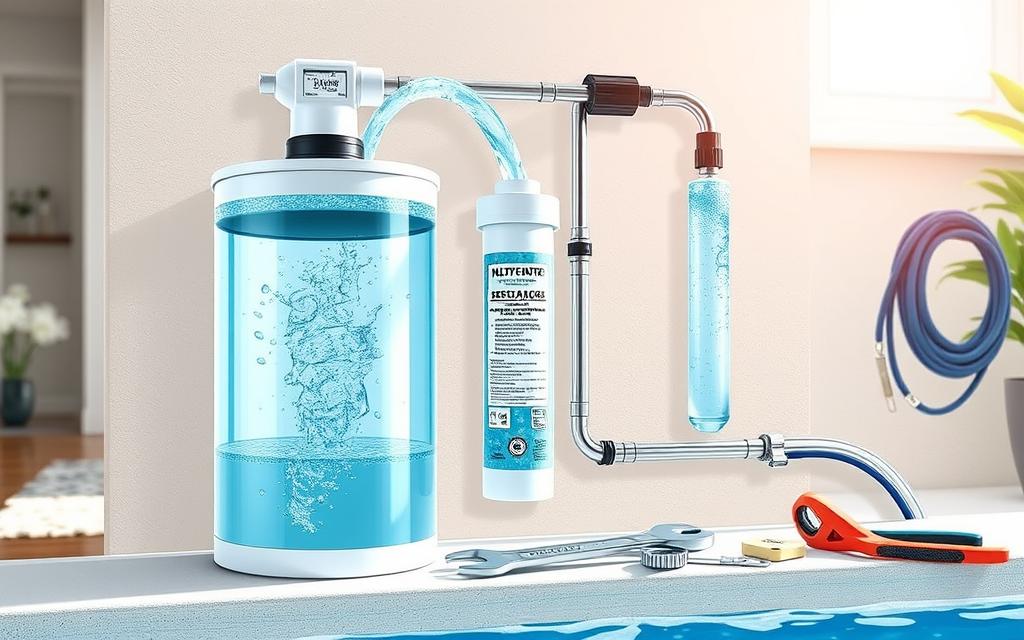 Best Salt Water Filter System for Home Reviews Today – Clean Water In Homes
Also, salt water filtration loves maintenance. Filters clog, membranes wear out, and pumps break down. You become best friends with your owner’s manual and a set of Allen keys. I once spent an hour fixing a leaky hose on my friend’s boat system—and the water tasted like victory mixed with plastic. Delicious.
Is It Worth the Hassle?
If you live near an ocean or a saltwater source, a filtration system can be a lifesaver—literally. It’s the difference between a bad day and a trip to the hospital. On a global scale, these systems already provide water for millions of people in places where rain is a rumor. That’s not just cool; that’s heroic in a very industrial, hums-like-a-refrigerator kind of way.
But realistically, for most of us at home, it’s overkill. If you have access to fresh tap water, you don’t need to go all MacGyver on a saltwater setup. Save that energy for something else—like learning to open a coconut. (Seriously, those things are evil.)
A Final Laugh (and a Tip)
If you ever find yourself stranded and contemplating a gulp of seawater, don’t—your body will flush out more water trying to get rid of the salt, and you’ll die faster. That’s the ultimate irony: the ocean is a dehydration machine. But with a decent filtration system, you turn that enemy into your best friend. It’s like taming a wild, salty dragon.
So next time you’re at the beach, look at that endless water and smirk. You know the secret now. If you ever need it, science has your back—just bring a pump, a few spare parts, and a sense of humor. And maybe avoid the water right next to the sunscreen factory. Trust me on that one.
