Reverse Osmosis Water Filters For Home Use

So, last week, I decided to be fancy. I filled a crystal glass with tap water, dropped in a single, perfect ice cube, and took a slow, deliberate sip. It tasted like my grandm...
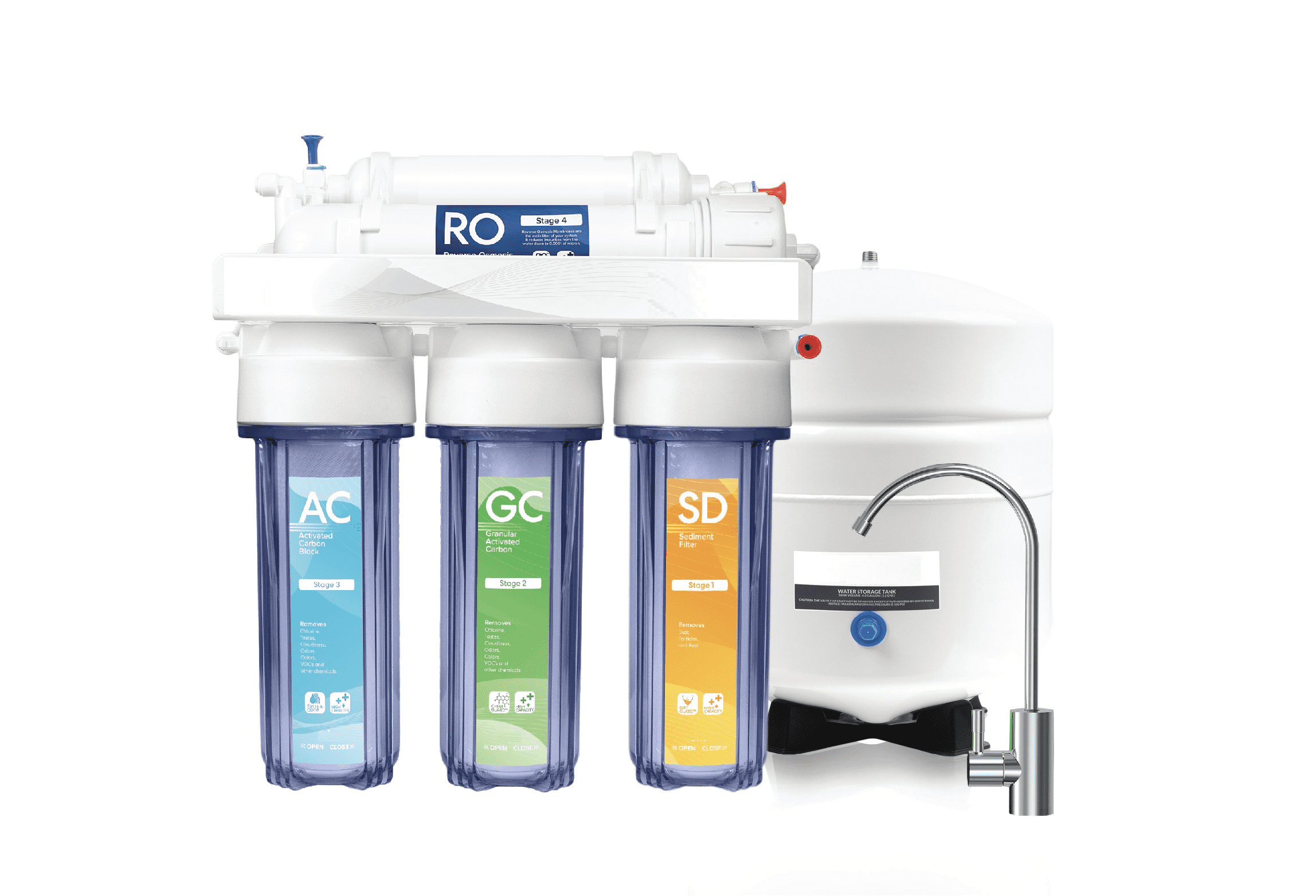
So, last week, I decided to be fancy. I filled a crystal glass with tap water, dropped in a single, perfect ice cube, and took a slow, deliberate sip. It tasted like my grandmother’s basement—a weird mix of chlorine, metal, and regret. Literally. I spat it out, looked at the glass, and muttered, “There has to be a better way.” That’s when my weird neighbor, Dave, knocked on my door holding a jug of the clearest liquid I’d ever seen. “You’re drinking pool water,” he said. “Get a RO filter.”
Dave wasn’t wrong. He was talking about Reverse Osmosis, or RO for short. It sounds like a physics term from a sci-fi movie, but it’s actually just a fancy way to squeeze water through a super-tiny membrane. Think of it like a bouncer at an exclusive club. Only the good H₂O molecules get in. Everything else—lead, chlorine, fluoride, weird fungus, that one leaf that fell in the reservoir—gets thrown out on the sidewalk.
Wait, What Actually Gets Removed?
This is the part that makes me feel like a conspiracy theorist, but it’s true. A good RO system can yank out up to 99% of total dissolved solids. That includes arsenic, nitrates, and even microplastics. I know, I know—you’re thinking, “But my tap water is fine, the city tests it.” And sure, the city tests it. But by the time it reaches your apartment via 50-year-old pipes, it’s had a wild ride. Your water has seen things.
Must Read
You’ll notice the difference immediately. It’s not just “clean”—it’s neutral. It’s like the water version of a plain white t-shirt: perfect, unassuming, and it makes everything around it taste better. Coffee? God-tier. Pasta? No more weird salty film. Even ice cubes stop smelling like the freezer.
The Kitchen Counter Nightmare
Here’s where I need to be honest with you—because I like you. The first time I looked at an RO system, I panicked. There are tanks, hoses, and tiny wrenches. It looks like a plumbing experiment gone wrong. If you’re renting a tiny apartment with a cramped sink (like I was last year), you might cry. But modern systems have evolved. You can now get tankless units that fit under your sink like a sleek, hidden robot. No more giant blue cylinder screaming “I AM A WATER VESSEL” under your kitchen.
The downside? Speed. RO is slow. It’s basically a premium, artisanal process. You’re not getting a firehose of water; you’re getting a lazy river. Most systems produce about 2 to 4 gallons per hour. So if you’re hosting a party and need 50 gallons of lemonade, start prepping three days in advance. Or just buy a Brita and suffer the consequences.
Is It Really Worth the Plastic? (And the Money?)
Let’s talk cost, because I know you’re stingy—I mean, budget-conscious. A decent under-sink RO system will set you back about $150 to $400. That hurts. But then you realize you’re not buying bottled water ever again. No more lugging those 24-packs from Costco. No more guilt about the 50 trillion plastic bottles you’ve personally sent to the ocean. One filter lasts for years, and you just swap out a small cartridge every six months. The math works, my friend.
 The Health Benefits of Reverse Osmosis Water Filters: What You Need to
But there’s a catch you won’t hear from the marketing people. RO wastes water. For every gallon of clean water you make, older systems flush 3 gallons of “reject” water down the drain. That’s like ordering a pizza and throwing away three slices just to get one perfect slice. Newer models are better, with a 1:1 ratio. So if you’re in a drought-prone area, you need to check the specs. Or else you’ll be the hero of your kitchen but the villain of the local reservoir.
The Secret “Mineral” Debate
Okay, brace yourself. Some health gurus will tell you that RO water is dead water. They claim it leeches minerals from your body. It’s dramatic and mostly false. Yes, RO removes calcium and magnesium, but you get those from food, not water. Unless you’re a competitive athlete subsisting only on water and air, you’ll be fine. Still, if you’re a worrier, you can buy a filter that adds minerals back in. It’s called remineralization. It’s like putting a bow on a robot—completely optional, but it makes you feel fancy.
Speaking of fancy, the taste is addictive. I visited my mom last weekend, drank her tap water, and literally grimaced. She asked, “What’s wrong?” I said, “Mom, this water tastes like a rusty spoon and a swimming pool had a baby.” She was offended. I brought her an RO system for her birthday. She wasn’t sure if it was a gift or an insult. Spoiler: It was both.
Should You Get One? (The Verdict)
If you drink tap water and think “meh, it’s fine,” then don’t change a thing. Ignorance is bliss. But if you’ve ever smelled your water and wondered if your sink is haunted, yes—get an RO filter. It’s like getting glasses for the first time and realizing trees have individual leaves. You’ll wonder how you lived without it.
Just buy it from a brand that doesn’t look like it sells knock-off vitamins. Look for NSF/ANSI 58 certification. That’s the gold standard. And for the love of all that is holy, don’t forget to replace the pre-filter every six months. Your future self—the one sipping perfect, silent, pure water at 2 AM—will thank you. And maybe, just maybe, you’ll finally know what water is supposed to taste like when it hasn’t survived a war of pipes and chemicals.
