Whole House Filtration System Installation

So there I was, standing in my kitchen, staring at a glass of water that looked perfectly clear. Perfectly clear, until I took a sip and got that distinct flavor of... well, f...

So there I was, standing in my kitchen, staring at a glass of water that looked perfectly clear. Perfectly clear, until I took a sip and got that distinct flavor of... well, faint swimming pool and old pennies. I grimaced, dumped it down the sink, and muttered something about "city water magic." Ever had that moment? Yeah, I thought so. That’s when I started my deep dive into something I never thought I’d care about: a whole house filtration system.
The "Wait, I Need to Filter Everything?" Realization
Let me guess: you’ve got a Brita pitcher on the counter, or maybe a fancy faucet filter that takes forever to drip. That’s cute, but it’s like putting a band-aid on a broken pipe. A whole house filtration system isn't just for drinking—it treats every single drop that enters your home. Yes, that includes the water in your shower, your washing machine, and even the toilet. Especially the toilet, because nobody wants rusty streaks down the bowl twice a week.
I’m not gonna lie—when my plumber first quoted me a price, I choked on my filtered water. But then he asked me one simple question: "How much do you spend on bottled water, shower filters, and replacing rust-stained clothes?" Ouch. Touché, plumber dude.
Must Read
What Actually Goes Into the Install? (Spoiler: It’s Not Magic)
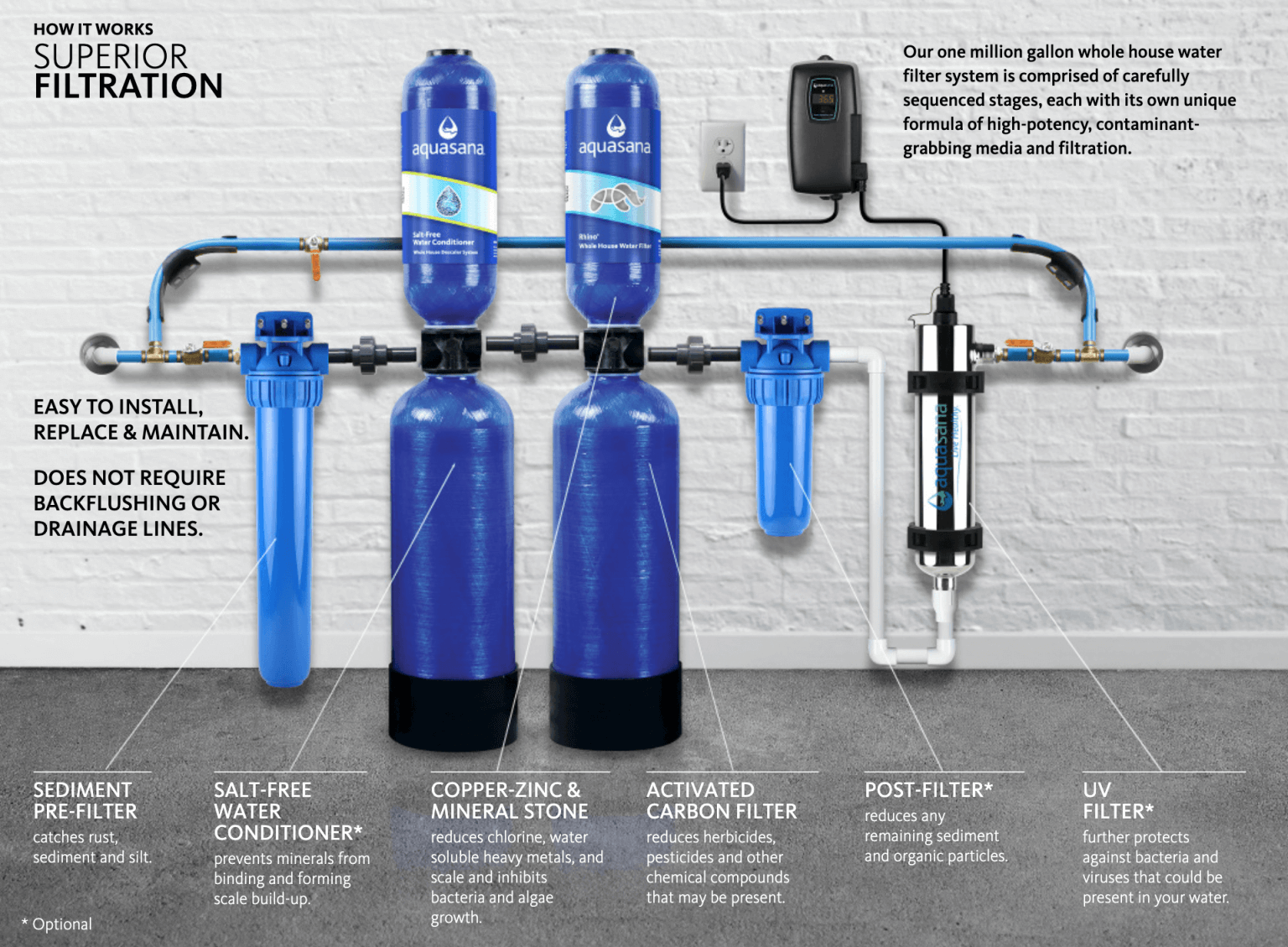
First, you need to find your main water line. That’s the big pipe that feeds your entire house—often in the basement or crawl space. You’ll then install a pre-filter to catch the big stuff, like sediment and rust flakes that the city forgot about. Think of it as the bouncer at the club for your pipes. After that, you add a carbon filter or a reverse osmosis unit, depending on how deep you want to go. I went with a combo system because I’m extra like that.
One thing they don’t tell you in the ads: you’ll need a pressure gauge and a bypass valve. Why? Because if you screw up the pressure, your hot water heater might start singing opera in protest. Trust me, you don’t want that. Also, get a shut-off valve installed before the system—you’ll thank me later when you have to change the filters without flooding your basement. You’re welcome.
The "I’ll DIY It" Trap (And Why I Almost Fell Into It)
I’m a confident guy. I can change a tire, assemble IKEA furniture without crying, and even rewire a lamp. So I thought, "How hard can this be?" Very hard, is the answer. The first video I watched ended with a guy saying, "And if you hear a hissing sound, you’ve done it wrong." I turned off the video and called a professional. Best $200 I ever spent—the peace of mind alone was worth it.
The pro told me they’d seen houses where DIYers used the wrong pipe sizes, causing water hammer so bad it cracked a wall. Or they forgot to install a pressure-reducing valve, and the whole system exploded like a water balloon at a pool party. So unless you’re a licensed plumber or a very brave soul with a backup plan, hire someone.
What You’ll Notice Immediately (Like, Within the First Shower)
After the install? The first shower will ruin you for ever going back. Kali (my plumber) told me to expect "silky" water. I laughed. But then I stepped in, and my skin didn’t feel like sandpaper afterward. My hair stopped frizzing. It was that dramatic. And the coffee? I made a cup the next morning, and my wife asked if I’d changed the brand. Nope—just filtered water doing its thing.
 Aqua Filter Installation at Nancy Sheridan blog
Also, your appliances will send you a thank-you card. The dishwasher stops leaving spots, the washing machine stops eating zippers due to sediment, and your water heater lives longer without scale buildup. It’s like giving your house a spa day, every single day.
The Hidden Cost That Nobody Talks About
Here’s the part where I get real with you: maintaining this system is a commitment. You have to replace the sediment filter every 3–6 months. The carbon filter? Every year. And if you have a reverse osmosis unit, those membranes need swapping every 2–3 years. That’s $100–$300 a year, plus the mental reminder to actually do it. I set a calendar alert. On my phone. In red.
But here’s the thing: compare that to buying 40 cases of bottled water annually, plus replacing a broken water heater early? You’ll actually save money. And you’ll save the planet from all those plastic bottles. So yeah, it’s a small tax for the luxury of tasting nothing but pure H₂O.
Final Thoughts (With a Side of Irony)
I used to mock people who talked about "water quality" at dinner parties. Now I’m that person. I’ll guiltily refill my stainless steel bottle at your sink and think, "Huh, you can really taste the chlorine." Oops. But seriously—if you’ve ever felt a little grossed out by your tap water, or if your skin and dishes tell a story of hard water, a whole house system is worth the hassle. It’s not sexy, but it changes your life one glass (and shower, and launder) at a time.
Now go refill that Brita while you think it over. But don’t wait too long—your future smooth-skinned, non-rusty-dish self is waiting.
