Rainwater Collection System For Irrigation

Let’s be honest—watering your garden can feel like a chore, right? You drag out the hose, watch the water bill creep up, and maybe even feel a little guilty about it. But what...
Let’s be honest—watering your garden can feel like a chore, right? You drag out the hose, watch the water bill creep up, and maybe even feel a little guilty about it. But what if I told you there’s a way to make rain do the heavy lifting for you?
Enter the rainwater collection system. It’s not just for crunchy homesteaders or off-grid wizards. It’s a simple, satisfying way to turn a gloomy drizzle into a superpower for your plants.
Why collect rain, anyway?
Think about this: rain is free, literally falling from the sky, yet most of it just runs off into the gutter. That’s like having a money tree in your yard and ignoring it.
Must Read
Your plants actually prefer rainwater over tap water. It’s naturally soft, lacks chlorine, and contains trace minerals that make your tomatoes sing. Sound crazy? It’s true—they basically get a spa treatment with every storm.
How it works (the simple version)
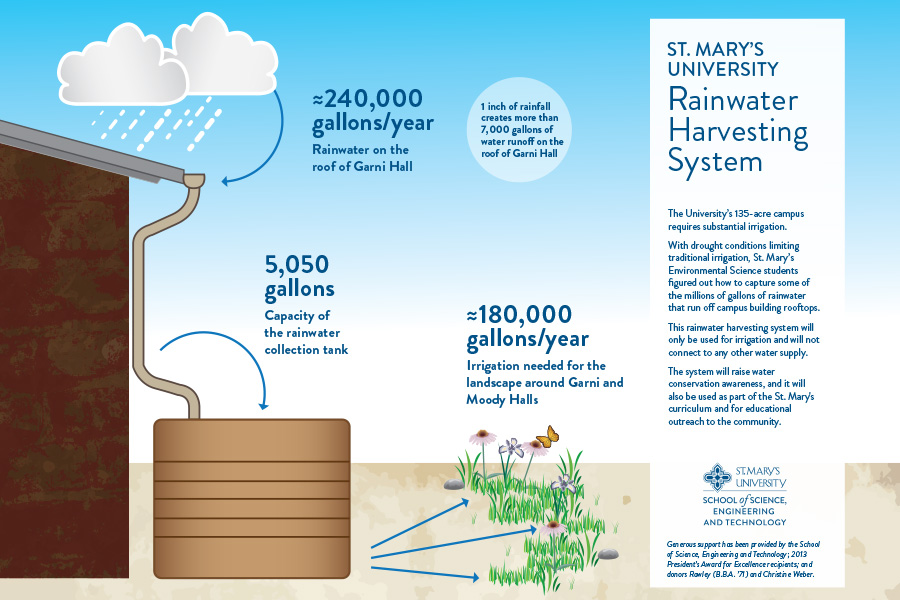
Here’s the basic idea: your roof is a giant, slanted collection cup. When it rains, that water runs into a gutter, then down a downspout, and—instead of escaping—it gets captured in a barrel or cistern.
You attach a spigot, maybe a short hose, and bam—you’ve got a personal reservoir. It’s like having a giant water bottle for your garden, refilled by nature’s delivery service.
Comparisons to make you smile
Setting up a rain barrel is easier than assembling IKEA furniture. Seriously. You can buy a kit for under a hundred bucks, or DIY a trash can with a few parts from the hardware store.
It’s also like a savings account, but for water. Every time it rains, you’re depositing free H₂O. Then, during a dry spell, you “withdraw” it to keep your basil from throwing a tantrum.
But is it really worth it?
Picture this: a single inch of rain on a 1,000-square-foot roof yields about 600 gallons of water. That’s enough to fill a small swimming pool—or water your entire veggie patch for weeks.
If you’re a lazy gardener (no judgment, I’m one too), a rain barrel means fewer trips to the outdoor spigot. You just fill your watering can right from the barrel, or attach a soaker hose for hands-off irrigation.
What about those legal myths?
You might have heard that rainwater collection is “illegal” in some places. That’s a myth for most of the country, though a few western states have rules about large-scale systems. For a simple barrel or two, you’re almost always in the clear.
 Rainwater harvesting involve Collects rain for irrigation, domestic use
Just check your local ordinances (a quick Google search does it). In 99% of cases, the government actually encourages this because it reduces stormwater runoff and eases pressure on municipal supplies.
The fun part: watching your garden thrive
There’s something oddly magical about using rainwater. It feels like stealing a little secret from the sky. You’ll find yourself grinning at a steady drizzle, thinking, “Yes, fill up my barrel.”
Your plants will notice the difference too. Tomatoes get juicier, flowers pop with color, and your lawn might just turn a shade of green that makes your neighbors jealous. It’s like switching from fast food to a home-cooked meal for your yard.
Extra perks you didn’t expect
Rain barrels also help the environment by reducing runoff. That water that used to wash oil and fertilizer into storm drains now stays in your garden, soaking into the soil naturally. You’re basically a local superhero against erosion.
And here’s the kicker: they look cool. Modern barrels come in sleek styles, fake terracotta, or even wooden designs. You won’t just be saving water—you’ll have a conversation starter for your next backyard barbecue.
Ready to give it a try?
Start small. Pick up a 55-gallon barrel from a garden center or online, set it on a sturdy stand (bricks work), and attach it to your downspout with a diverter kit. The whole process takes about an hour.
Then wait for the next rain. When you see that barrel fill up, you’ll feel like a genius. And when you use that free water to revive your wilting lettuce? Pure satisfaction.
So, go ahead. Let the sky do the work. Your garden will thank you, and your water bill will pretty much become a background character in your life.
