Commercial Water Filtration System With Uv

Let’s be honest: tap water can taste like a swimming pool’s forgotten laundry day. You’ve got chlorine, sediment, and who-knows-what lurking in that clear glass. Commercial wa...
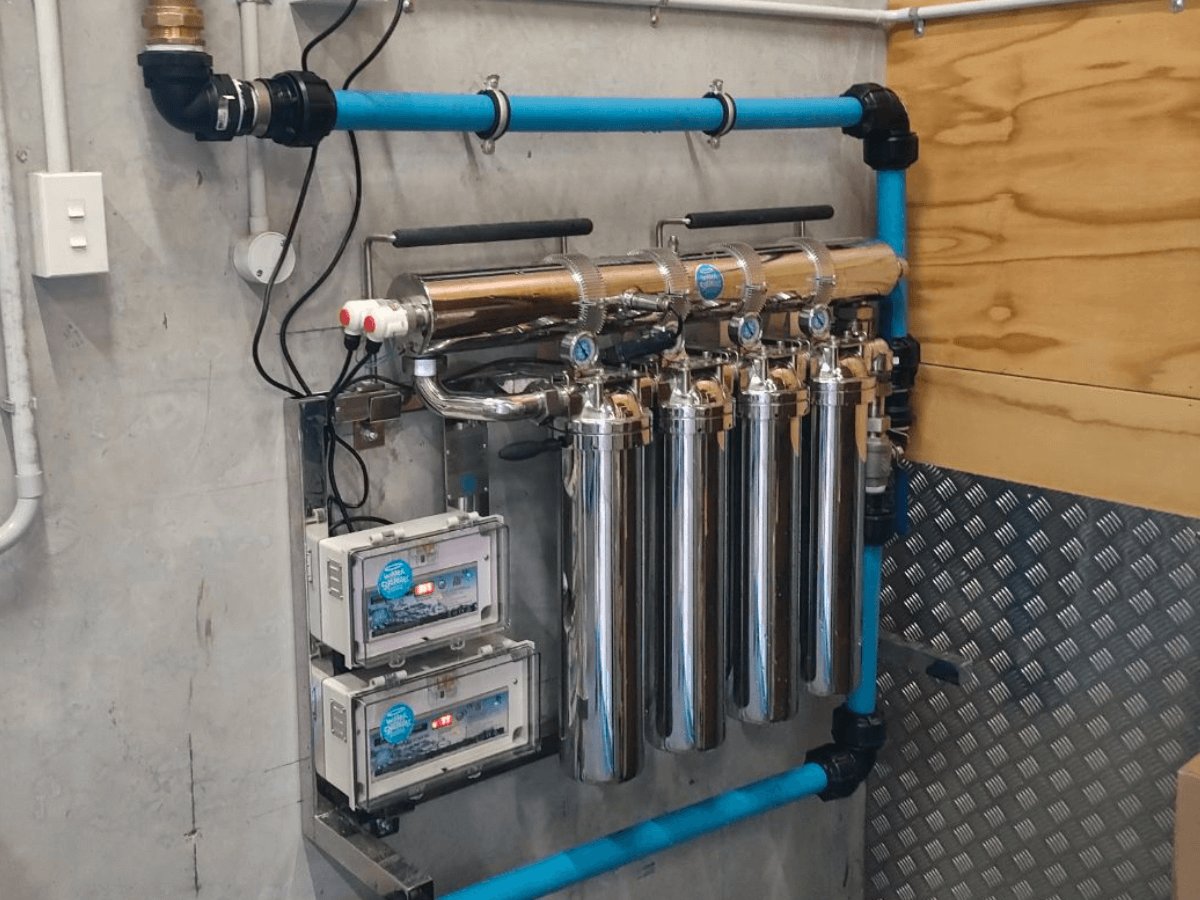
Let’s be honest: tap water can taste like a swimming pool’s forgotten laundry day. You’ve got chlorine, sediment, and who-knows-what lurking in that clear glass. Commercial water filtration systems with UV are the superheroes you never knew your office, café, or factory needed. They’re like a bouncer for your plumbing, but instead of checking IDs, they zap microscopic party crashers into oblivion.
What’s the Big Deal About UV?
UV stands for ultraviolet, which sounds like a band from the 1980s. In reality, it’s a light so intense it can fry the DNA of bacteria faster than a microwave pops a bag of popcorn. Think of it as a tanning bed for germs—except the germs don’t get a glow; they get a permanent vacation.
Here’s the crazy fact: UV filters kill 99.99% of microorganisms without adding a single chemical. That’s right—no chlorine taste, no weird aftertaste, just pure, clean water. Your taste buds will throw a party, and your stomach will send a thank-you note.
Must Read
Why Commercial Should Care
You think your home faucet is gross? Try the water at a busy restaurant or a gym. Commercial systems handle way more flow—we’re talking gallons per minute, not a sad little trickle. UV units in these setups are like having a tiny, invisible army that never sleeps. They run 24/7, zapping away E. coli, Giardia, and other party crashers you don’t want in your iced tea.
One restaurant owner told me his UV system paid for itself after a single health inspection. The inspector took one look at the UV unit and said, “You’re fine,” then left. The owner almost cried—partly from relief, partly because he’d spent months worrying about his old carbon filter.
How Does This Wizardry Work?
It’s simpler than assembling IKEA furniture (and with fewer leftover screws). Water flows through a chamber with a UV lamp sealed inside a quartz sleeve. The light hits the water, and the DNA of any bacteria or viruses gets scrambled like a Rubik’s Cube in a blender. They can’t reproduce, so they die—poof.
Fun fact: UV systems don’t remove dirt or sediment. That’s why they team up with a pre-filter. Think of it as a buddy cop movie—the pre-filter catches the big stuff like rust and sand, while UV delivers the final, one-liner punch to the bad guys.
But here’s the wild part: UV light is so powerful it can even disable chlorine-resistant parasites like Cryptosporidium. That little monster can survive a dip in a swimming pool, but UV turns it into a sad, lifeless speck. Take that, crypto!
The “Oops” Moments You Should Know
Not everything is rainbows and UV rays. If the water is cloudy, the light can’t penetrate. It’s like trying to sunbathe through a muddy tarp. You need clear water for UV to work its magic—so always pair it with a sediment filter first.
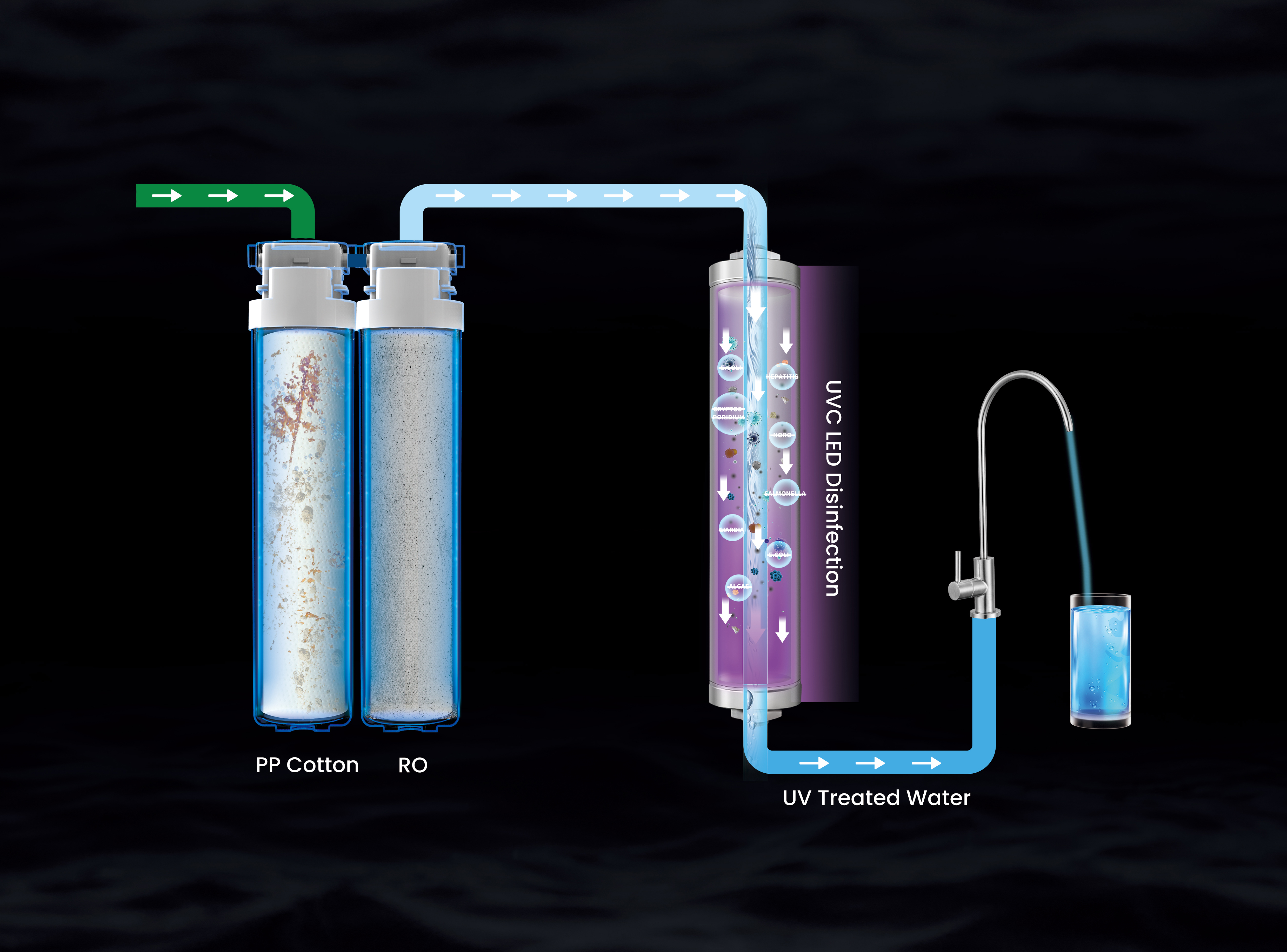 Reverse Osmosis Drinking Water Filter System with UVC LED | Safe
Also, UV lamps burn out after about 9,000 hours—roughly a year of continuous use. That’s not a flaw; it’s a built-in reminder to change your calendar. And if the lamp breaks? The quartz sleeve protects the water from glass shards. Engineers thought of everything, except why you’re still using a Brita pitcher in 2025.
Costs and Surprises
You might think a commercial UV system costs as much as a small car. Nope. A decent setup runs between $500 and $2,500—cheaper than a single lawsuit from a customer who got sick from your water. Plus, electricity bills go up by about the cost of a latte per month. I’d pay that just to never taste “municipal pool” again.
Here’s a surprise: UV systems are incredibly low-maintenance. You change the lamp once a year, clean the quartz sleeve every few months, and that’s basically it. No cartridges to replace every 30 minutes, no fiddly valves. It’s the “set it and forget it” of water treatment—like a Crock-Pot, but less likely to cause a kitchen fire.
The Verdict
If you run a coffee shop, a brewery, or even a giant office building, UV water filtration is a no-brainer. It’s fast, chemical-free, and tougher than a health inspector on a caffeine rush. Your customers will thank you—and so will your taste buds.
Just remember: UV doesn’t make the water taste like anything. It leaves that job to your coffee beans or your fancy ice cubes. But it does make sure the only thing in your glass is water, not a biofilm party. And honestly? That’s a pretty good reason to buy one today.
Now go forth, hydrate, and keep those microscopic baddies out of your iced latte. Your gut will high-five you later.
