Thames Water Hampton Water Treatment Works

You’ve probably stood on the platform at Hampton Station, sipping a flat white and watching the Thames glide past, entirely unaware that beneath your feet—and across the river...

You’ve probably stood on the platform at Hampton Station, sipping a flat white and watching the Thames glide past, entirely unaware that beneath your feet—and across the river—one of London’s most remarkable secret operations is humming along. Just a short walk from the river path lies Thames Water Hampton Water Treatment Works, a sprawling Victorian-era facility that turns the murky, brown Thames into the crystal-clear stuff that fills your kettle, your shower, and your morning smoothie. It’s not exactly a tourist hotspot, but for anyone who’s ever wondered where their tap water actually comes from, it’s a hidden gem of industrial charm and quiet, daily heroism.
The Hidden Giant of South West London
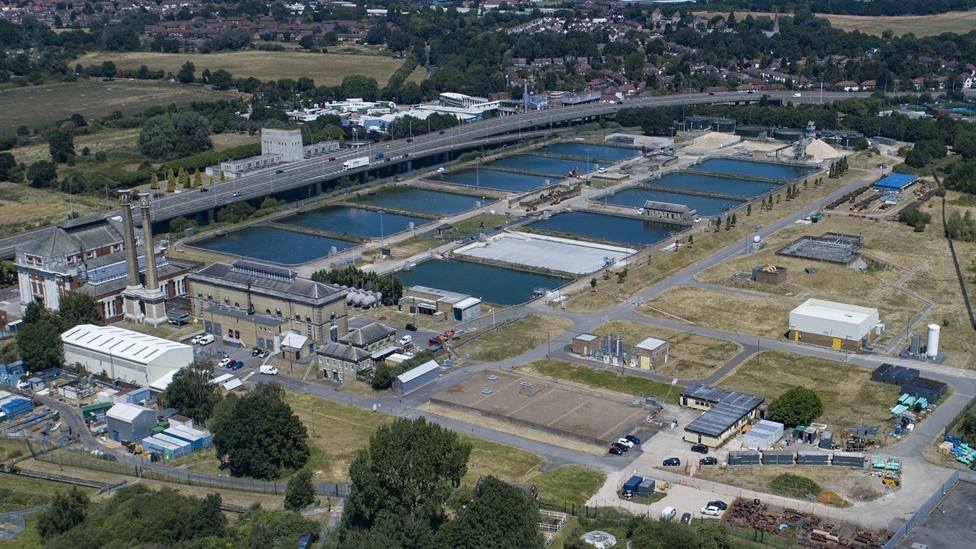
Nestled between the river and the elegant mansions of Hampton, the treatment works feels like a time capsule crossed with a sci-fi lab. Built in the 1850s, the site still uses many of its original brick filter beds, which look more like serene, geometric ponds than heavy infrastructure. Nearly two million Londoners rely on this plant every single day, yet fewer than a hundred people likely walk past its gates on a given afternoon.
The magic begins with a simple, almost meditative process: slow sand filtration. Water from the Thames is gently guided through vast beds of sand, where a living layer of microorganisms—known as the Schmutzdecke, or “dirty skin”—literally eats impurities. It’s nature’s own water filter, and it’s been working essentially unchanged for over 170 years.
Must Read
What Happens Before the Sand?
Before the water even touches the sand, it gets a high-tech pre-treatment. Giant screens catch plastic bottles, leaves, and the occasional shopping trolley (yes, really). Then, ozone and ultraviolet light blast away bacteria and viruses—no chlorine taste, just pure, clean H₂O. The whole process is surprisingly low-energy and quiet, which is why you can bike right past without hearing a thing.
Fun fact: the plant processes over 500 million litres of water daily, enough to fill 200 Olympic swimming pools. That’s a lot of tea, folks.
A Walk Through the History (and the Science)
If you ever visit during an open day (they do happen, check Thames Water’s site), the first thing you’ll notice is the enormous, castle-like engine house. It’s pure Victorian Gothic, all red brick and arched windows, built when engineers took their sewage seriously. Inside, the original steam engines still gleam, polished like museum pieces—but they’re not just for show; they sit beside modern pumps that hum with quiet efficiency.
You’ll also see the slow sand filter beds up close. They’re shallow, rectangular lagoons filled with dark sand, and they look almost alien. A thin, greenish slime sits on top—that’s the good stuff. Each bed takes about three weeks to mature before it starts cleaning water properly. It’s patience as infrastructure.
Practical Tips for the Curious Explorer
Want to see it for yourself without a tour? Grab your bike or walking shoes and head to the Thames Path between Hampton Court and Teddington Lock. You can’t enter the treatment works without permission, but the best views are from the river path on the opposite bank, near the old footbridge. Bring binoculars if you want to watch the herons that nest on the filter beds—they love the clean water.
For a proper look, check the Thames Water website for their Education & Engagement events. They occasionally run free tours during London’s Open House weekend. Book early, because spots vanish faster than a pint on a hot day.
 General election 2019: What are nationalisation and privatisation
One more tip: pair your visit with a stop at Hampton Court Palace, which is a ten-minute cycle away. Henry VIII’s kitchens and a world-class waterworks in one afternoon? That’s a history-and-hydration double-header.
Cultural Connections You Didn’t Expect
This place isn’t just about pipes and pumps; it’s woven into London’s creative DNA. The Victorian filtration system inspired Doctor Who’s “The Waters of Mars” episode (sort of—creative license, but you get the vibe). And T.S. Eliot’s The Waste Land, with its “brown fog of a winter dawn,” was written while he lived near the river’s edge. The water here has flowed through poetry and prose for centuries, and you’re drinking the same H₂O that moved Dickens to describe the Thames as a “heavy, black, and silent” beast.
In pop culture, the treatment works stands as a quiet symbol of something we take for granted: clean, safe, reliable water. Think about that the next time you watch a Netflix show where characters drink straight from a mountain stream without getting sick—that’s fiction. This is the real deal.
Four Things You Didn’t Know About Your Tap Water
1. Your glass of water has likely been through the Thames seven times before it reaches you. No joke—it’s the ultimate recycling story. 2. The sand in the filters comes from a quarry in Guildford, delivered by barge. It’s washed, sorted, and replaced every few weeks. 3. The plant’s energy use is partly offset by methane captured from sewage treatment upstream—so your loo flush helps make your shower cleaner. 4. London’s water is hard, full of calcium and magnesium, which is why your kettle scales up like a coral reef. It’s not a flaw; it’s just geology in your cup.
A Reflection on the Ordinary Magic
Standing by the river, watching the grey-green water swirl past, you’d never guess that just fifty metres away, a Victorian dream is quietly turning chaos into clarity. We tend to overlook the infrastructure that keeps us alive—the pipes under our streets, the pumps in our basements, the sand beds that haven’t changed since your great-grandparents were kids. But that’s exactly why this place feels so special.
It’s a reminder that clean water is not a given. It’s a continuous act of care, engineering, and a little bit of Victorian stubbornness. So the next time you fill your glass from the tap—whether it’s for a long-awaited cuppa or a thirst-quenching chug after a run—pause for a second. Thank the herons, the sand, the ozone, and the quiet giants of Hampton. Then drink up. You’ve earned it.
