Is Drinking Hard Water Bad For Your Kidneys

You’re standing in your kitchen, pouring a glass of tap water, when a friend’s warning echoes in your mind: “Hard water is terrible for your kidneys.” Suddenly, that innocent...
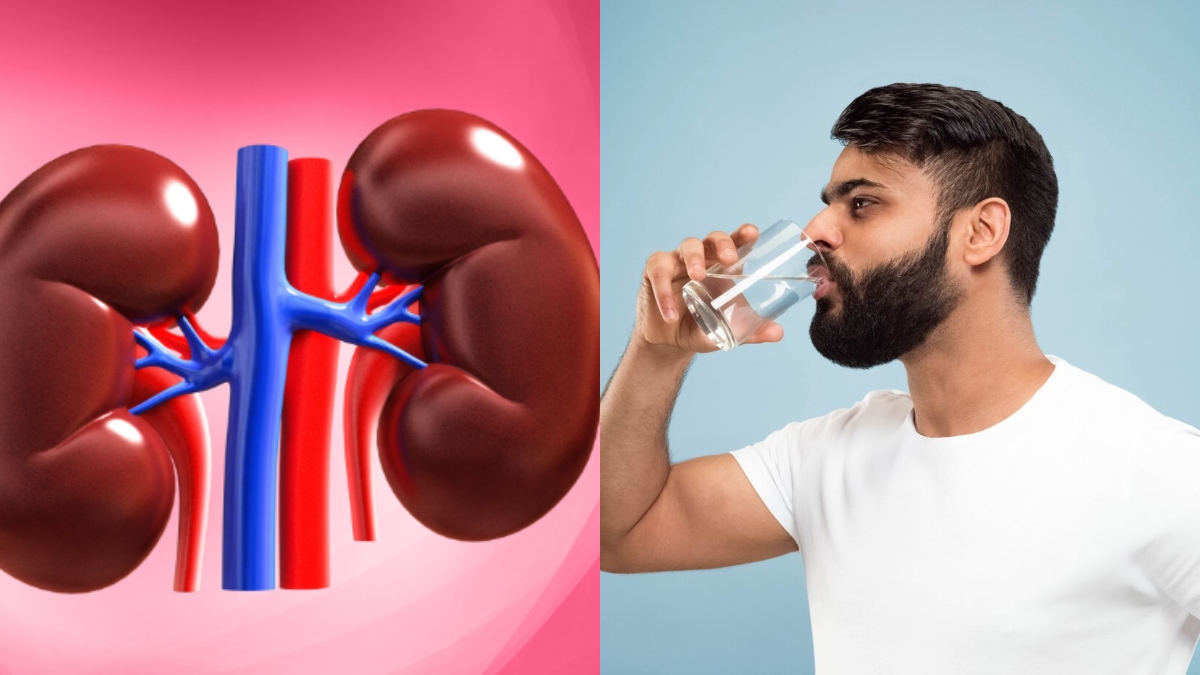
You’re standing in your kitchen, pouring a glass of tap water, when a friend’s warning echoes in your mind: “Hard water is terrible for your kidneys.” Suddenly, that innocent glass feels like a science experiment. Let’s clear the air—and the water—before you ditch your faucet for a lifetime of bottled spring water.
The Hard Truth About Hard Water
First, let’s decode what “hard water” actually means. It’s simply water rich in calcium and magnesium—minerals that your body craves for healthy bones and nerves. Think of it as nature’s bonus, not a villain.
In fact, most studies show that drinking hard water is safe for healthy kidneys. Your kidneys are remarkably smart—they filter out excess minerals and flush them away like a diligent janitor at a rock concert.
Must Read
The real kidney culprits are sodium, phosphorus, and potassium overloads, often from processed foods, not your tap. So unless you’re chugging a gallon of hard water while eating a bag of chips, your kidneys likely won’t notice the difference.
When Hard Water Gets… Complicated
Now, here’s where the nuance drips in. If you already have chronic kidney disease (CKD), your doctor might advise you to watch mineral intake—including calcium and magnesium. In that case, hard water could add a tiny extra load to your kidneys’ workload.
But for the average, healthy person? The mineral content in hard water is negligible compared to what you get from food. For context, a glass of hard water might have 50 mg of calcium, while a cup of milk has 300 mg. It’s like worrying about a single raindrop in a monsoon.
A 2018 review in the journal Nutrients even suggested that moderate hard water intake may reduce cardiovascular risk—a win for your heart and blood pressure, which indirectly protects your kidneys.
The Calcium-Carried Culture Clash
Remember that scene in Breaking Bad where Walter White uses hard water to create blue crystals? Okay, that’s not real, but it illustrates how pop culture can make simple things feel dramatic. In reality, hard water is as dramatic as a Sunday brunch.
In many parts of Europe, like the UK and Germany, hard water is the norm—and kidney disease rates aren’t skyrocketing. In India, hard water is common in rural areas, yet kidney stone prevalence correlates more with diet (oxalates from spinach, anyone?) than water hardness.
The only place hard water truly, honestly, hurts? Your plumbing. Those chalky white deposits in your kettle? That’s mineral buildup, not kidney sludge. Your pipes may suffer, but your kidneys don’t care.
Practical Tips: Sip Smart, Not Scared
1. Know Your Kidneys’ Status
If you have a family history of kidney stones or CKD, chat with your doctor about water hardness. Otherwise, relax—your body is built to handle Mother Nature’s mineral buffet.
 Can Excessive Water Consumption Harm Your Kidneys?
2. Balance Is the Real MVP
Stay hydrated with plain water—hard or soft—but don’t ignore your overall diet. Cut back on salty snacks, sodas, and processed meats. That’s the true kidney-friendly move.
3. Test, Don’t Guess
Curious about your water? Use a cheap hardness test strip (available online for $10). If it’s “very hard” (over 180 ppm), a simple water filter can reduce mineral content—not because your kidneys demand it, but because your coffee tastes better.
4. The Stone Factor
Kidney stones? That’s a different story. If you’ve had calcium oxalate stones, your doctor may recommend low-oxalate foods (like avoiding too much spinach or nuts), not necessarily soft water. In fact, some studies suggest hard water’s calcium might bind oxalates in the gut, reducing stone risk.
Fun Facts to Impress Your Friends
Did you know that the hardest water in the world is found in the Sahara Desert? Yet nomadic tribes there don’t suffer from kidney epidemics. Their secret? They drink lots of it, keeping urine diluted and minerals flushed.
Another fun bit: The ancient Romans used hard water in their aqueducts for centuries. Their kidneys were fine—though their lead pipes probably weren’t. Hard water actually protects against lead leaching from pipes because calcium creates a protective coating.
And for the science nerds: The human kidney can process up to 800 mg of calcium per day from food and water combined. A liter of hard water might give you 150 mg—well within the safe zone.
A Short Reflection on Daily Sips
So, next time you fill your glass, don’t fear the mineral ghosts. Your kidneys aren’t fragile crystal—they’re resilient, wise organs that handle far bigger challenges than a bit of calcium. The real enemy isn’t the water; it’s the narrative that makes you worry about things that don’t matter.
Take a deep breath, drink your water, and go live your life. Your kidneys will thank you for the hydration, whether it’s hard, soft, or bottled. And if you’re still unsure? Ask your doctor, not a blog—and keep that kettle sparkling clean.
