Do Plastic Water Bottles Have Microplastics

Let’s be honest. You’ve probably chugged water from a plastic bottle while hiking or stuck in traffic. It’s cold, it’s crisp, and it’s convenient. But here’s the kicker: that...
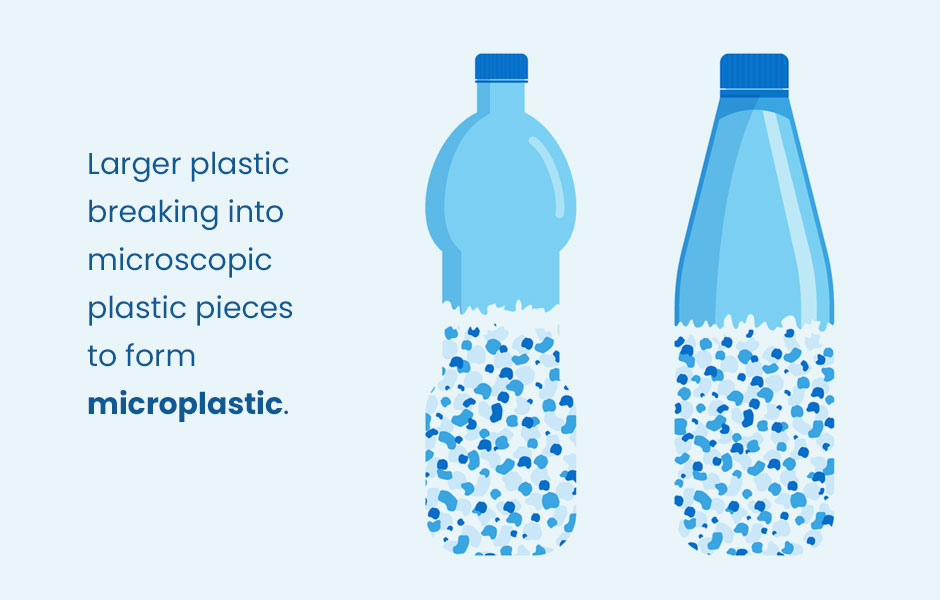
Let’s be honest. You’ve probably chugged water from a plastic bottle while hiking or stuck in traffic. It’s cold, it’s crisp, and it’s convenient. But here’s the kicker: that bottle might be shedding tiny plastic bits into every single sip.
Yes, we’re talking about microplastics. These are microscopic flecks of plastic, smaller than a sesame seed. They float in your water like invisible, unwanted confetti.
What’s the Deal with Plastic Bottles?
Plastic bottles are made from polyethylene terephthalate, or PET. Sounds official, right? Think of it as a plastic army, and when you squeeze or heat the bottle, some soldiers defect into your drink.
Must Read
Here’s a bonkers fact: a single liter of bottled water can hold hundreds of thousands of microplastic particles. That’s more microplastics than a glitter bomb at a disco.
One study found that bottled water contains about twice as many microplastics as tap water. So your fancy spring water might be pricier, but it’s also plastic-ier.
Where Do They Come From?
It’s not just the bottle itself. The manufacturing process, the capping, and even the shelf life all add to the plastic party. Every time you twist the cap, friction breaks off microscopic shards.
Heat makes it worse. Leave a plastic bottle in a hot car? You’ve created a microplastic soup in your cup holder. It’s like a science experiment you didn’t sign up for.
Even the act of opening the bottle creates tiny flakes. Each pop and crackle sends invisible debris into your water.
The Quirky Part: Your Bottle Is Basically a Shredding Machine
Imagine rubbing a plastic spoon against your tongue for ten seconds. That’s what happens when you drink from a bottle. The friction of the plastic against your lips shreds off microscopic particles.
It gets weirder. Some scientists call it “the plastic lifespan.” A bottle can release millions of particles over its short life. Your water isn’t just H2O; it’s a plastic rodeo.
And guess what? Those particles are often nanoplastics—even smaller than microplastics. They’re so tiny they can slip into your cells. Bon appétit!
Does It Actually Matter?
Here’s where we get playful, not panicked. The science on health effects is still young. We don’t know for sure if these bits cause trouble. But it’s a funny thing to ponder while you hydrate.
Some studies suggest microplastics might mess with gut bacteria. Others say they could carry chemicals like BPA or phthalates. Think of them as tiny, unwanted hitchhikers in your digestive highway.
 Which Bottled Water Has Least Microplastics? Safest Brands 2026 – Clean
The good news? Your body is a tough customer. It can pass many of these particles right out. You might just poop out a little plastic party.
A Fun Experiment for the Curious
Try this: fill a glass with tap water, then pour it into a plastic bottle and shake it. Now drink it. Did it taste different? Probably not, but you’ve just witnessed the invisible plastic cloud.
Or, leave a bottle in the sun for an hour. Then compare it to a cold bottle. The warm one likely has more microplastics. It’s like a plastic spa day that ruins your drink.
You can even filter them out at home. A simple charcoal filter or reverse osmosis system can catch many of these bits. But good luck filtering out the existential question of why we put water in plastic in the first place.
Why This Topic Is So Fun to Talk About
Let’s be real: we’re all walking around with little plastic pieces in our bodies. It’s weirdly fascinating. It’s like finding out your favorite snack has a secret ingredient you never knew about.
Plus, it makes you feel like a detective. Every sip is a tiny mystery. “Did that gulp have 100 or 1,000 microplastics?” You become a water archaeologist.
And here’s the punchline: we’ve been drinking from plastic bottles for decades. We’re still here, laughing and talking about it. So maybe it’s not the end of the world—just a very strange footnote in human history.
The Bottom Line (But Keep It Casual)
Do plastic water bottles have microplastics? Yes, almost certainly. But don’t panic. Just be curious. Let it spark a conversation while you switch to a reusable stainless steel bottle.
That reusable bottle? It sheds zero microplastics. Plus, it looks cooler and keeps your water ice-cold. You’ll feel like a hero saving the planet and your own belly.
So next time you grab a plastic bottle, smile. You’re drinking a little bit of wonder—and a whole lot of plastic. It’s a quirky, weird, and very human thing to do.
